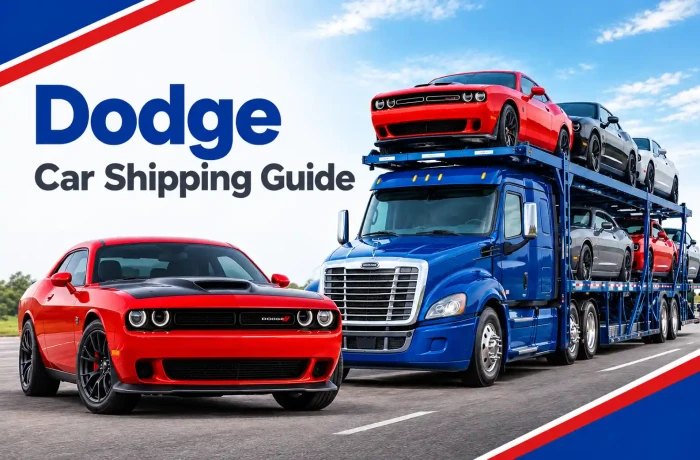


Dodge Car Shipping Guide 2026: What to Know
Whether showcasing the iconic roar of the SRT Hellcat or the revolutionary, all-electric power of the new Charger Daytona, the Dodge lineup centers on performance and presence. Whether you are shipping a vintage Viper ACR, moving across the country with your Durango, or taking delivery of a brand-new Charger Sixpack from an out-of-state dealership, getting your Dodge from point A to point B requires specialized care.
Driving a high-performance vehicle thousands of miles across the country isn't always the best move. Long highway trips add rapid depreciation to your odometer, wear down expensive performance tires, put your aerodynamic splitters at risk of rock chips, and consume days of your valuable time.
Coordinating your move through AmeriFreight Auto Transport connects you with professional motor carriers who understand the exact weight, clearance, and tie-down requirements needed to protect your Dodge.
Buying a Specific Dodge (Last-Call or Daytona EV) Out of State
Dodge enthusiasts are fiercely loyal, and finding the perfect spec—whether it's a "Last Call" Challenger in Plum Crazy, a Durango SRT Hellcat, or securing an early allocation for the new Charger Daytona EV—often requires hunting well beyond your local zip code.
Purchasing a vehicle out of state is incredibly common and easier than ever. Most dealerships allow you to sign your finance paperwork remotely. Once the dealer completes their pre-delivery inspection, a transport broker will coordinate directly with the dealership’s lot manager. A professional auto carrier will arrive at the showroom, load your new Dodge, and deliver it straight to your driveway, meaning you never have to book a flight or spend days driving it home.
Shipping Classic and Heritage Dodge Muscle
The collector market for classic Dodge muscle is massive. If you are buying a 1969 Charger, a 1970 Challenger, or a vintage Dart Swinger from an online auction like Bring a Trailer or Mecum, the transport logistics change significantly.
Vintage Mopar vehicles feature aging weather seals, delicate chrome trim, and classic paint jobs that need intense protection. While an open carrier is great for a daily driver, enclosed transport is an absolute must for classic Dodge muscle. Enclosed trailers completely shield the car from highway rock chips, extreme heat, and sudden rainstorms. Furthermore, they typically utilize horizontal hydraulic liftgates, which are perfect for loading classic cars without scraping their undercarriages or vintage exhaust systems.
Understanding Auto Transport Costs in 2026
Auto transport pricing is a dynamic market that fluctuates based on carrier availability, seasonal demand, and the exact physical size of your vehicle.
A general rule of thumb in car shipping is that while a long cross-country trip costs more overall, the cost per mile actually drops significantly on longer hauls. This is because the driver's fixed costs—like terminal fees and loading time—are spread out over days of highway cruising instead of just a few hours.
When using our online car shipping cost calculator, several factors will influence your specific quote:
The True Cost of Driving: In 2026, the IRS sets the business mileage rate at 72.5 cents per mile to account for gas, wear and tear, and depreciation. Driving a car 1,000 miles costs you roughly $725 in hidden vehicle depreciation and fuel, not including hotels or food. Shipping is often more economical when you factor in preserving your vehicle's value.
Route Density: Shipping your Dodge along major interstates (like Dallas to Miami) is usually cheaper because thousands of carriers run those routes. Shipping to a rural town costs a bit more because the driver has to detour from their main route.
Delivery Speed: Standard shipping requires a flexible 3-to-5-day pickup window so carriers can optimize their routes. If you need a guaranteed, expedited pickup date, expect to pay a premium.
Navigating Seasonal Shipping Trends
Timing plays a massive role in securing a great rate. Shipping rates behave much like airline tickets, shifting based on nationwide travel patterns.
The Winter "Snowbird" Migration: Every October and November, thousands of retirees move from cold northern states (like New York or Illinois) to warm southern states (like Florida or Texas). This massive southbound demand eats up available truck space, regularly pushing prices up by 10% to 25%. When spring arrives (April and May), the trend flips as everyone heads back north.
The Summer Rush: June through August is the busiest time of year for the auto transport industry. With college relocations, military moves, and families buying new homes, trailer slots fill up faster.
Comparing Transport Options: Open vs. Enclosed
Selecting the right trailer type depends on your Dodge’s value, its ground clearance, and your budget.
The EV Weight Surcharge: Shipping the Charger Daytona
The transition to electric vehicles has massively impacted shipping logistics. The 2026 Charger Daytona EV Scat Pack weighs an astonishing 5,838 pounds. To put that in perspective, it weighs roughly the same as a massive 3-row SUV.
Because standard multi-car haulers have a strict 80,000-pound weight limit, loading multiple heavy EVs forces the driver to haul fewer total cars so they don't get fined at highway weigh stations.
Low-Clearance Logistics: Hellcats, Vipers, and Splitters
High-performance Dodge models are engineered for aerodynamics, which creates unique challenges for loading them onto a transport trailer.
The Dodge Charger SRT Hellcat Widebody has a ground clearance of just 4.5 inches. The track-focused Viper ACR sits even lower, often hovering around 3.5 inches of clearance. If a truck driver tries to load these cars using standard, steep steel ramps, the beautiful carbon fiber front splitters and lower fascias will almost certainly scrape, crack, or shatter.
The Solution: To keep your performance Dodge safe, request an enclosed carrier equipped with a horizontal hydraulic liftgate. This acts like an elevator, keeping the car perfectly flat while it is lifted into the trailer. If an open carrier must be used, verify that the driver carries specialized composite "Race Ramps" (which lower the ramp approach angle to a gentle 4.3 to 10 degrees) to prevent any undercarriage contact.
Chassis Hooks vs. Over-the-Wheel Straps
When shipping a high-performance Dodge, always ensure the carrier uses over-the-wheel soft straps. These straps wrap directly around the tire tread, securing the car while allowing its advanced suspension to naturally absorb the bumps of the highway. Outdated "chassis hooks" (which chain the frame tightly to the trailer) compress the suspension and transfer violent highway shocks directly into the vehicle's frame, which can stress control arms and ruin alignments.
Realistic Dodge Transit Expectations
Cross-country delivery times fluctuate based on total mileage, severe weather, and federal safety laws that restrict how many hours a commercial truck driver can legally operate per day.
How Dodge Shipping Works with AmeriFreight Auto Transport
Choosing the right logistics partner takes the stress out of moving your prized vehicle. With over 22 years of trusted experience and an A rating from the Better Business Bureau, AmeriFreight Auto Transport has successfully moved vehicles for thousands of satisfied customers.
Extensive Carrier Vetting: We tap into a massive network of over 14,000 trucking partners. Before a driver ever touches your Dodge, we rigorously verify their FMCSA operating authority, dedicated cargo insurance, and safety records.
No Upfront Fees: You never pay a single dime upfront. We only process your payment details after we have secured a verified carrier and your route is officially locked in.
Optional AFTA Gap Coverage: While the assigned motor carrier provides the primary cargo insurance, we offer an optional AFTA gap plan for ultimate peace of mind. This helps cover out-of-pocket carrier deductibles and extends your damage reporting window to a full 48 hours after delivery.
Door-to-Door Convenience: Enjoy seamless Door-to-Door Service (Location Permitting). Our drivers will load and deliver your Dodge as close to your driveway, chosen dealership, or business as local street clearances allow.
Easy Steps to Prepare Your Dodge for Delivery Day
A little bit of prep work goes a long way to ensure your pickup goes perfectly:
Wash the Car: It’s much easier for you and the driver to spot and document any existing scratches or small dents on a clean car during the official inspection.
Take Baseline Photos: Snap clear, well-lit pictures of your vehicle right before it gets loaded, paying special attention to those low front splitters, widebody fenders, and custom wheels.
Check Your Fuel and Battery: For gas-powered Chargers, Challengers, or Durangos, leave the tank about 1/4 full. This is plenty of fuel for loading but keeps the trailer weight down. For the Charger Daytona EV, keep the battery charged comfortably between 30% and 50% for transit safety.
Clean Out the Inside: DOT regulations strictly prohibit shipping personal household items inside passenger vehicles. Empty your trunk, and remove your highway toll pass so it doesn't accidentally scan while the truck is driving!
Disable Alarms: Turn off your factory security system so it doesn't accidentally trigger and drain the battery during the trip.
Delivery Day: Inspecting Your Dodge Like a Pro (The BOL)
When the 18-wheeler pulls up to drop off your Dodge, excitement is high, but this is the most critical legal moment of the entire process. By federal law (the Carmack Amendment), the motor carrier is liable for your vehicle in transit—but only if you follow the rules.
Everything hinges on the Bill of Lading (BOL). This is the official inspection report.
When the driver unloads the car, do not sign the paperwork immediately. First, do a slow, careful walkaround of the vehicle with the driver. Pay special attention to the widebody fender flares, the custom wheels, and get low to check the front carbon fiber splitter.
If there is any new damage that wasn't there when the car was picked up, you must explicitly write it on the BOL (e.g., "new 2-inch scratch on passenger side splitter") before you sign your name. If you sign a "clean" BOL without noting the damage, you are legally acknowledging that the carrier delivered the car in flawless condition, which instantly ruins any chance of filing a successful insurance claim.
Frequently Asked Questions (FAQs)
Should I choose open or enclosed transport for my Dodge?
Open transport is the most economical and standard option, ideal for daily drivers like the Dodge Hornet or Durango. However, for high-value, rare, or low-clearance models—such as classic Mopars, SRT Hellcats, or the new Charger Daytona EV—enclosed transport is strongly recommended to protect against weather, road debris, and potential ground clearance issues.
Does the weight of the electric Charger Daytona EV affect shipping cost?
Yes. Electric vehicles are significantly heavier than traditional internal combustion vehicles due to their battery packs. For instance, the Charger Daytona EV Scat Pack weighs over 5,800 lbs. Because commercial car carriers must comply with strict federal gross weight limits, heavier vehicles take up a larger portion of the payload capacity.
How do carriers handle low-ground-clearance Dodge models like Hellcats or Vipers?
Vehicles with low front splitters or low ground clearance require specialized equipment to avoid scraping during loading and unloading. Carriers use extended composite ramp extensions (Race Ramps) on open trailers or horizontal hydraulic liftgates on enclosed trailers to keep the vehicle completely level.
Ready to Transport Your Dodge?
Shipping a high-performance or heavy electric vehicle safely comes down to clear communication and matching your car with the right trailer equipment. Visit the AmeriFreight Car Shipping Cost Calculator today to instantly generate a fast, personalized, and transparent estimate for your vehicle.