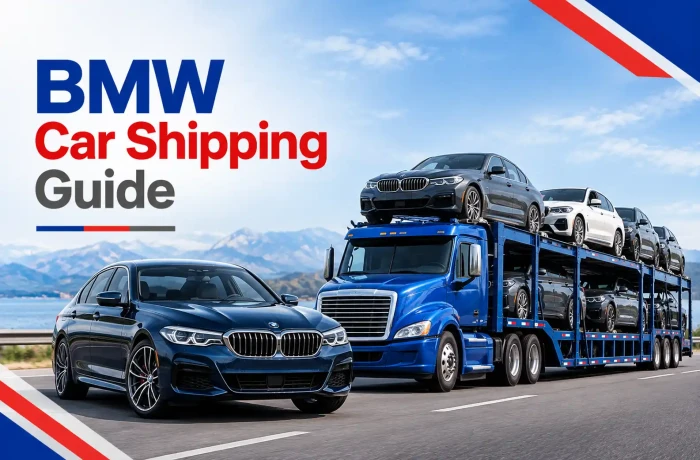


BMW Car Shipping Guide 2027: What to Know
A BMW represents precision engineering, cutting-edge software, and an undeniable passion for driving. The modern lineup covers an incredibly diverse spectrum: from agile, track-focused M-Series sports cars to the luxurious 7-Series, and the heavy, battery-dense i-Series electric SUVs. Whether you are relocating a family X5 across the country, securing a rare M2 allocation from a distant dealership, or moving a classic E30 to a new home, undertaking a massive road trip yourself exposes your premium vehicle to unnecessary mileage, highway debris, and days of driving exhaustion.
By coordinating your shipment through AmeriFreight Auto Transport, you bypass the stress of a cross-country haul. We connect you directly with a nationwide network of vetted commercial carriers who understand exactly how to handle BMW’s low-clearance splitters, heavy EV weights, and intricate digital security systems.
Why BMW Transport Needs Extra Attention
Shipping a modern BMW requires specialized logistical knowledge. The physical profile and digital ecosystem of your specific model dictate exactly how a transport carrier must load, secure, and manage the vehicle:
Low Ground Clearance and M-Series Splitters: High-performance models like the BMW M2, M3, and M4 are engineered with aggressive stances and low ground clearances (often around 4.8 inches). When owners add aftermarket carbon-fiber front splitters or rear diffusers, the approach angle becomes extremely shallow. Standard open-carrier loading ramps are frequently too steep and will aggressively scrape or shatter these expensive components. To protect M-Series cars, specialized carriers must deploy extended low-angle race ramps or utilize enclosed trailers with completely flat, hydraulic lift-gates.
The Heavyweight i-Series EVs: The BMW iX all-electric SUV, for example, carries a massive lithium-ion battery pack that pushes its curb weight to nearly 5,700 pounds. Because commercial auto haulers are strictly capped by an 80,000-pound federal highway weight limit, loading multiple heavy EVs forces dispatchers to leave physical slots on the trailer empty to remain legal. This lost trailer capacity translates directly into a heavy-vehicle EV surcharge for the consumer.
Protecting Active Air Suspensions and Alloy Wheels: Traditional car haulers often use heavy metal chains and T-hooks inserted directly into a vehicle's chassis to tie it down. For a flagship BMW X7 equipped with sophisticated active air suspension, or an M4 wearing expensive forged alloy wheels, this old-school method is incredibly risky. Winching down the chassis severely compresses the air struts and sends massive shockwaves through the frame over every highway pothole. Top-tier carriers prevent blown air suspensions and scratched rims by using soft "wheel straps" or "tire baskets." This secures the vehicle with rubber, allowing your BMW's advanced suspension to freely float and absorb road impacts naturally during the journey.
Crucial Digital Preparations: iDrive and Alarms
Unlike older mechanical vehicles, modern BMWs are highly connected, rolling computers. Failing to prepare the software before handing the keys to a transport driver can result in a dead battery or massive logistical headaches upon delivery:
Deactivate the Tilt and Motion Alarm: Modern BMWs feature highly sensitive anti-theft systems equipped with tilt and interior motion sensors. If left active, the constant vibration of the highway and the tilting of the transport trailer will continuously trigger the alarm. Over a multi-day trip, this will completely drain your 12V auxiliary battery, leaving the car dead upon arrival. To deactivate it, press the "Lock" button on your key fob, then press it again within 30 seconds. The alarm LED under the rearview mirror will stay solid for two seconds, confirming the tilt sensor is disabled for the trip.
Activate Valet Parking Mode: For models running BMW Operating System 7, 8, or 8.5, activate "Valet Mode" in the iDrive menu before shipping. This locks your personal data (like navigation history and synced phone contacts), restricts audio volume, and disables your integrated garage door opener while the vehicle is in the carrier's custody.
Provide a Physical Key: While the BMW Digital Key (using your smartphone) is incredibly convenient, do not rely on it for auto transport. You must provide the driver with a physical key fob or an RFID Key Card. If you share a digital key and the driver's phone dies during the trip, the vehicle will be completely immobilized on the trailer.
Manage My BMW App Tracking: If you prefer privacy or want to prevent the car from constantly pinging cell towers (which drains the battery), you can turn off GPS vehicle tracking via the "Data Privacy" menu in your iDrive settings. Also, be sure to unplug any hardwired aftermarket dash cameras, as they will record continuously on the moving trailer and kill your battery.
Moving Family Haulers: The X5, X7, and XM
BMW's SAV (Sports Activity Vehicle) lineup offers incredible luxury for growing families, but their dimensions require strategic transport planning:
Dimensional Considerations: The flagship BMW X7 is a massive, three-row luxury cruiser. Taking up a significant amount of physical deck space on a transport trailer, it prevents carriers from tightly nesting other vehicles above or below it.
The Empty Cabin Rule: With expansive cargo holds in the X5 and X7, it is tempting to pack the back with moving boxes or luggage. However, federal Department of Transportation (DOT) laws strictly prohibit auto haulers from acting as moving companies. If you pack the cabin, the driver can legally refuse to load the SUV, and your personal belongings will be completely uninsured against loss or theft.
Military PCS and Everyday Relocations (3-Series and 5-Series)
While the massive X7s and low-slung M4s require specialized logistics, everyday sedans like the legendary 3-Series and the executive 5-Series make up a steady, high-volume portion of cross-country shipments. These models are highly popular choices for active-duty service members organizing a Permanent Change of Station (PCS) or families managing a standard corporate relocation.
Because these standard sedans fit flawlessly onto standard multi-car open trailers without triggering extreme weight or low-clearance restrictions, they are incredibly cost-effective to ship. Even better, standard commuter vehicles easily qualify for the most budget-friendly base rates on the market.
Where Enthusiasts Find Out-of-State BMWs
Whether you are hunting down a pristine E46 M3 with a manual transmission or returning a leased X3, shipping across state lines is a common necessity:
Dealership Handoffs and the "Transport Mode" Quirk: Finding a highly sought-after M-Series allocation often requires buying from a dealership a few states away. When you buy a car sight-unseen, the transport driver steps in as your official proxy, recording any existing scratches on the Bill of Lading (BOL) before loading the vehicle. Additionally, do not panic if your new BMW's telematics app suddenly goes dark during transit. Dealerships often place new cars into factory "Transport Mode" to preserve the battery on the trailer. This temporarily disables remote tracking, restricts top speeds, and shuts down luxury features until the car is officially delivered and unlocked.
Out-of-State Lease Returns: BMW Financial Services manages thousands of leases. Ensuring your leased BMW arrives back at the dealership without transit damage is critical to avoid expensive end-of-lease penalties. Properly documenting the vehicle's condition with the driver at both pickup and delivery on the BOL is absolutely vital.
The Snowbird Migration Effect: Keep seasonal price fluctuations in mind. From October to December, thousands of "Snowbirds" ship their cars from the Northeast down to warm states like Florida. This massive demand spikes southbound shipping prices. However, if you ship a car northward during the winter against the flow of traffic, carriers will offer steep discounts just to fill their empty return trailers.
Comparing BMW Transport Options: Open vs. Enclosed
Deciding between trailer types comes down to your BMW's ground clearance, its market value, and your budget.
How BMW Shipping Works with AmeriFreight Auto Transport
Backed by decades of logistical expertise and an A rating from the Better Business Bureau (BBB), AmeriFreight Auto Transport removes the stress and uncertainty from shipping your ultimate driving machine:
Rigorous Carrier Vetting: We do not hand your keys to just anyone. AmeriFreight actively screens a network of over 14,000 motor carriers, ensuring the driver dispatched for your BMW has verified safety records, active operating authority, and up-to-date cargo insurance.
Exclusive Consumer Discounts: We offer a wide variety of pricing discounts to help ease the financial burden of relocating, including dedicated price breaks for active-duty military, first responders, medical personnel, and senior citizens.
Zero Upfront Fees: Transparency is our priority. You will never be asked to pay an upfront deposit until a verified, trusted carrier is officially assigned and dispatched to your specific route.
Convenient Door-to-Door Delivery: As long as your neighborhood streets are wide enough for a commercial 80-foot semi-truck to maneuver safely, our carriers will pick up and deliver your BMW directly to your driveway.
Optional AFTA Protection: While the motor carrier's insurance covers primary physical damage, standard policies often have high deductibles. AmeriFreight offers exclusive AFTA gap protection plans, giving you peace of mind and a 48-hour window to report post-delivery damage without worrying about out-of-pocket costs.
Realistic BMW Transit Expectations
When calculating your moving budget, the national average to ship a vehicle is around $1,215, factoring in a median transit distance of roughly 1,000 miles. Interestingly, auto transport operates on a sliding scale. While a long cross-country trip costs more overall, the actual cost per mile drops significantly because highway cruising is incredibly efficient for truckers. Furthermore, delivery speed is strictly capped by federal laws that limit truck drivers to 11 hours of driving per day.
Easy Steps to Prepare Your BMW for Delivery Day
A little bit of preparation ensures your vehicle is legally compliant and ready for a smooth handover:
Lower the Fuel Level: Keep your gas tank at roughly one-quarter (1/4) full. A full tank on an X5 adds over 100 pounds of unnecessary weight to the transport trailer and poses a mild safety hazard.
Manage the EV Battery: If you are shipping an all-electric BMW i4 or iX, aim to keep the battery charged between 45% and 65%. This gives the driver plenty of juice to load the heavy vehicle while minimizing the battery's thermal energy during the multi-day trip.
Wash the Exterior: A clean vehicle makes it incredibly easy for you and the driver to accurately spot and document pre-existing chips or dents during the initial condition inspection.
Empty the Cabin: Federal highway laws prohibit auto haulers from transporting personal household goods. Make sure to remove all luggage, personal items, and automated toll transponders from the cabin.
Review the Bill of Lading (BOL): The BOL is your official shipping contract and condition report. You must inspect the car meticulously at delivery. If your BMW arrives with a new scratch, you must write it down on the BOL before signing it. Signing a clean BOL without noting damage acts as a legal admission that the car arrived in perfect condition, which can ruin your chances of filing an insurance claim.
Frequently Asked Questions (FAQs)
How do carriers safely load low-clearance cars like the BMW M4?
With ground clearances often under 5 inches and aggressive front splitters, M-Series cars require special handling to prevent scraping. Professional drivers use enclosed trailers with completely flat hydraulic liftgates, or they deploy ultra-long, low-angle race ramps on open trailers to keep the car level and ensure the carbon fiber never touches the ground.
Is my BMW insured while on the carrier's trailer?
Yes. Federal law holds the motor carrier strictly liable for any physical damage that occurs during transit. The carrier's commercial cargo insurance covers the vehicle itself, but it strictly excludes any personal items left inside the cabin or trunk.
Why do I need to deactivate my BMW's alarm before shipping?
Modern BMWs have highly sensitive tilt and interior motion sensors. If left on, the tilting of the transport ramps and the vibration of the highway will constantly trigger the alarm. Over a cross-country trip, this will completely drain your 12V battery, leaving the car dead and inoperable upon delivery.
Ready to Transport Your BMW?
Moving your BMW securely requires a team who understands the nuances of heavy EV platforms, low-clearance M-Series splitters, and rigorous inspection protocols. Reach out to the friendly customer support team at AmeriFreight Auto Transport today, or enter your route details into our online car shipping cost calculator to secure a transparent, highly accurate estimate for your shipment.