Get up to 50% OFF Auto Transport! Follow us on social media for an extra $20 OFF – just show proof to qualify.

National Parks in Texas

 national parks in texas

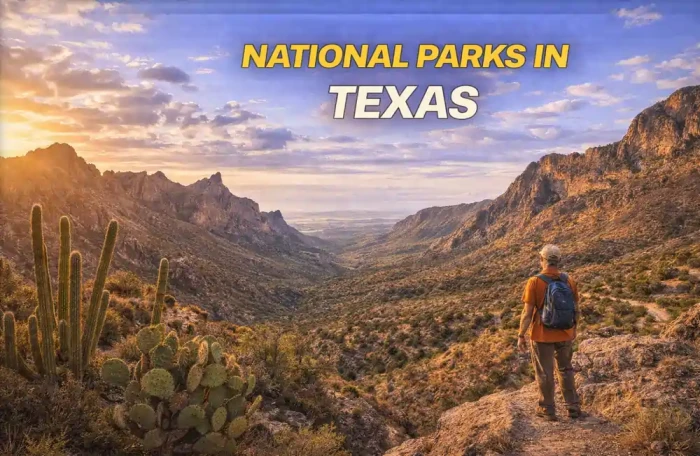
Texas national parks showcase striking contrasts. You can move from the dry expanse of the Chihuahuan Desert to the highest mountain in the state within the same region. These protected lands preserve ancient geology and diverse ecosystems that both challenge and inspire visitors.

Exploring remote areas of West Texas requires careful planning. Long distances, rough roads, and limited services can challenge even the most seasoned traveler. Understanding the terrain helps ensure a safer and more enjoyable trip.

What You’ll Learn

In this article, we will cover:

  • What national parks and NPS sites can you visit in Texas?

  • What landscapes and experiences make Texas parks different from others?

  • How can travelers prepare for remote terrain, weather, and logistics?

Overview

Texas national parks offer diverse experiences, from desert landscapes to the state's highest peaks. The best park depends on whether you want hiking, river paddling, or ecosystem exploration.

Major Park Experiences

  • Big Bend National Park: Desert terrain, mountain peaks, and deep Rio Grande canyons.

  • Guadalupe Mountains National Park: Home to Guadalupe Peak, the tallest point in Texas.

Other National Park Service Sites

  • Natural Areas: Big Thicket National Preserve protects nine ecosystems. Padre Island National Seashore is the world’s longest undeveloped barrier island.

  • Historic Sites: San Antonio Missions and Waco Mammoth preserve Texas history and archaeology.

Travel Essentials

  • Lodging: Big Bend is the only park with in-park lodging. Reservations often fill months in advance.

  • Towing: Steep, narrow roads require careful planning. Gooseneck hitches provide better stability for heavier loads.

Key Regulations

  • Firearms: Allowed under Texas law, but prohibited inside federal buildings.

  • Permits: Required for backcountry camping and paddling the Rio Grande.

9RDvKUAAAABklEQVQDAGwF69YTY7z4AAAAAElFTkSuQmCC

Big Bend National Park: A Desert Oasis

Big Bend is a land of extremes. Desert plains rise into mountain peaks, and the Rio Grande cuts dramatic canyons through the landscape. The park supports a surprising range of wildlife, including Mexican black bears and mountain lions.

Paddling Santa Elena Canyon

Visitors may paddle the Rio Grande without a guide, but a backcountry permit is required. Permits are available at visitor centers and are mandatory for overnight trips through the canyon.

The Chisos Basin

The Chisos Mountains Lodge offers the only in-park lodging outside of camping. Its Roosevelt Stone Cottages are in high demand and often book far in advance.

Guadalupe Mountains National Park: Touching the Sky

Guadalupe Mountains National Park is home to the highest mountain in Texas. This park is a hiker's paradise. The Guadalupe Peak hike takes you to the tallest peak in Texas, offering panoramic views of the surrounding desert.

Ancient Reefs

The mountains are actually fossilized reefs from the Permian period, making them a world-class destination for geology enthusiasts.

Dog-Friendly Trails

While most trails are off-limits to pets, leashed dogs can enjoy the Pinery Trail near the visitor center or the Pine Springs Campground connector trail.

Things to Do in Texas Parks

Beyond its two major national parks, Texas offers a wide range of national preserves and state park experiences that highlight the state’s ecological diversity.

Big Thicket National Preserve

Best suited for experienced backpackers, the Turkey Creek and Beech Creek units offer remote campsites and quiet immersion across nine distinct ecosystems.

Canyons in Texas

While Big Bend features impressive river canyons, the largest canyon in the state is Palo Duro Canyon State Park near Amarillo. Often called the “Grand Canyon of Texas,” it is a must-see destination in the Panhandle.

Beyond the Mountains: Big Thicket and Historical Sites

Big Thicket National Preserve protects nine different ecosystems, ranging from longleaf pine forests to cypress-lined bayous. It is a haven for experienced backpackers seeking solitude at remote campsites. There are no developed campgrounds; all camping is backcountry and requires a free permit from the visitor center.

Texas is also home to numerous other National Park Service sites:

  • Padre Island National Seashore: The longest stretch of undeveloped barrier island in the world.

  • San Antonio Missions National Historical Park: A UNESCO World Heritage site.

  • Waco Mammoth National Monument: Protecting the remains of Columbian mammoths.

8WEGurAAAABklEQVQDAGI789sh4+e1AAAAAElFTkSuQmCC


Travel Tips and Regulations

When visiting national parks in Texas, it helps to understand a few key rules before you go. Federal regulations apply inside park boundaries, even though Texas state law still matters in some cases. 

Firearms may be legally possessed if they comply with Texas law, but they are not allowed inside federal buildings such as visitor centers or ranger stations. These areas are clearly marked. Texas law also requires that any visible handgun be carried in a holster.

Lodging Inside the Parks

If you are looking for national parks in Texas with cabins, your options are limited. Big Bend National Park is the only park with in-park lodging.

  • Chisos Mountains Lodge is the only lodging inside Big Bend

  • Roosevelt Stone Cottages are highly sought after

  • Reservations often fill up close to a year in advance

Towing and Trailer Considerations

Traveling with a trailer near Big Bend requires careful planning due to narrow, winding roads and steep terrain.

  • Gooseneck trailers provide better stability and weight distribution on mountain passes.

  • Gooseneck or fifth wheel hitches offer smoother control when hauling heavier loads.

  • Bumper-pull trailers work well for lighter RVs but are more likely to sway over long distances.

Always confirm your vehicle’s weight limits. Secure the coupler connection before heading into remote areas like Marfa or Terlingua.

Up-to-Date Park News (2025 to 2026)

  • Operational Updates: Visitors should check for seasonal water conservation notices in the Chisos Basin before arriving.

Final Thoughts: Where Preparation Meets Adventure

Texas national parks demand respect, patience, and planning. When those pieces are in place, the reward is unmatched scenery and a deeper connection to the land. With the right mindset and preparation, these parks stop feeling intimidating and start feeling unforgettable.

Start Your Adventure Without the Long Drive

Texas’ national parks are unforgettable, but reaching them can mean days on the road, added vehicle wear, and complex logistics. If you want to arrive rested and ready to explore, shipping your vehicle can be a smart alternative.

AmeriFreight Auto Transport brings more than 20 years of experience as a top-rated auto transport broker. We carefully vet every carrier’s FMCSA records before matching them to vehicles.

Whether you are relocating, planning an extended road trip, or traveling with a specialty vehicle, we help simplify the journey. Get your free, no obligation quote today.

Frequently Asked Questions (FAQs)

How many national parks are in Texas? 

There are two primary national parks (Big Bend and Guadalupe Mountains), but 14 total National Park Service sites, including preserves and historical parks.

What is the best time for summer walks? 

Due to extreme heat, summer walks are best done early in the morning or at higher elevations, such as the Chisos Mountains or Guadalupe Peak.

Can I paddle Santa Elena Canyon without a guide? 

Yes, but you must have a permit and the necessary safety equipment.

What is the tallest peak in Texas?

Guadalupe Peak is the highest point in the state at 8,751 feet.


Arrow

Start your free quote

2
3

Related Posts

Ready to get an estimate from AmeriFreight
Auto Transport? Call us at (770) 486-1010

Get free quote
Footer Top