


Florida car shipping is expensive in the fall because snowbird demand spikes, outbound freight is limited, carriers face costly deadhead return miles, driver shortages tighten capacity, and heavier vehicles reduce trailer efficiency.
That imbalance reshapes rates.

Demand Surges Before Winter
From October through January, thousands of seasonal residents relocate to Florida. Snowbirds fill the same southbound lanes at once. Carriers see a clear spike in demand, roughly 40 percent above slower months.
When demand climbs and truck space stays limited, rates adjust. Southbound shipments into Florida during peak fall months commonly run 20 to 40 percent higher than off-season routes.
Many customers assume the rate increase reflects distance alone. It does not. A 1,200-mile trip in May does not cost the same as a 1,200-mile trip in November. Timing outweighs mileage once capacity tightens.

Another common assumption is that prices are inflated simply because Florida is popular or affluent. What actually drives the increase is competition for limited trailer space. When multiple vehicles are bidding for the same slots on the same route, carriers select the loads that make operational sense.
Florida’s Freight Imbalance Raises the Floor
Florida creates a structural problem for carriers. Inbound freight is nearly double that of outbound freight. Trucks unload vehicles in Miami, Tampa, or Orlando, then struggle to find profitable northbound loads.
Those empty return miles are called deadhead miles. Industry-wide, empty miles average 16.7 percent. Florida pushes that problem further. When a carrier cannot secure a strong backhaul, the cost of that empty return leg gets absorbed into the southbound rate.
Customers rarely see this piece of the equation. They see a single quote. Behind that number is a carrier calculating fuel, labor, tolls, and wear for both directions, even if only one leg carries revenue.
Capacity Is Not What It Used to Be
The trucking industry has a gap of between 60,000 and 80,000 drivers. Projections suggest that the shortage could reach 160,000 within a few years.
At the same time, the average operating cost per mile sits around $2.26 in 2025. Multi-car haulers average close to 6 miles per gallon. When diesel shifts even modestly, route math changes.
Carriers adjust rates dynamically. If the weather disrupts schedules or too many trucks are already committed to Florida lanes, available capacity shrinks. Rates respond quickly.
This is why one quote today may not match a quote next week. It is not arbitrary. It reflects real-time availability and cost pressure.
Insurance and Weather Add Risk Premium
Florida carries elevated insurance exposure. The state recorded 3,278 fatal vehicle accidents in 2022, contributing to some of the highest commercial auto liability costs in the country.
Hurricane season runs through November 30. Even when no storm is actively making landfall, carriers factor in disruption risk. Route delays, port congestion, and severe weather all shape how carriers affect fall shipment rates.
Heavier Vehicles Shift the Math
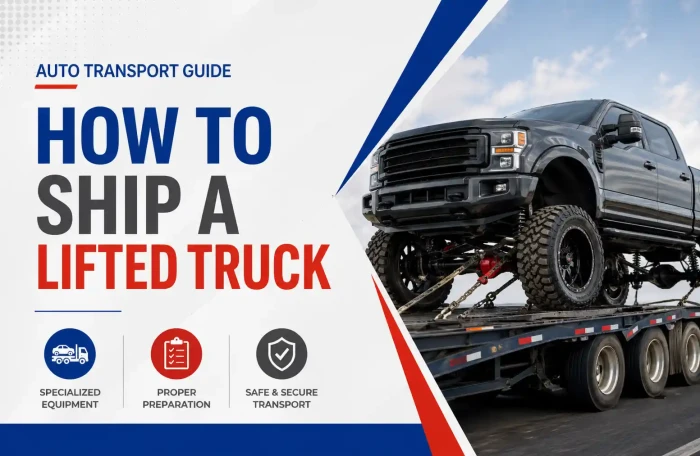
The federal DOT weight limit for a tractor-trailer is 80,000 pounds, and electric vehicles and large SUVs weigh significantly more than compact sedans, which can reduce how many cars a carrier can safely load.
When a heavier vehicle takes up more weight capacity, the carrier may load fewer cars overall. That reduces revenue per trailer. To offset that constraint, EVs and oversized SUVs often carry surcharge fees that are anywhere between $75 and $250, or more.
Open carrier transport remains the most common and cost-effective option. Enclosed carrier transport, meanwhile, typically runs 40 to 60 percent higher due to lower capacity and specialized equipment. During peak fall demand, that difference becomes more pronounced.
Move Your Car Where It Needs to Be With AmeriFreight Auto Transport
AmeriFreight Auto Transport helps customers navigate Florida’s fall market by matching them with vetted carriers. No upfront payment until you choose a carrier. AmeriFreight is a top-rated broker that has been accredited by the Better Business Bureau since 2008.
Frequently Asked Questions (FAQs)
Why does it cost so much to ship into Florida when shipping out of Florida looks cheaper?
Because Florida draws heavy southbound demand with limited outbound freight, carriers face costly empty return miles. That freight imbalance pushes inbound rates higher than outbound lanes.
Am I paying more because my vehicle is heavier or harder to load?
Yes. Heavier or bulkier vehicles take up more of a trailer’s weight capacity, reducing how many cars fit per load. Carriers offset that revenue loss with weight-related surcharges in peak seasons.
If I wait a couple of weeks, will the rate drop, or will it get worse?
If your schedule is flexible and you can review multiple carrier offers, your rate is more likely to remain steady. Route demand and vehicle size still influence rates. You can always decline an offer and wait for a better option.
If fuel prices drop next week, will my quote automatically go down?
Not necessarily. Fuel is only one factor. Carriers price based on current lane demand, capacity, and operating costs. A short-term diesel dip does not automatically reset market rates for your shipment.
Disclaimer
Rates and timing for Florida shipments vary based on carrier availability, route efficiency, vehicle type, and seasonal demand. AmeriFreight Auto Transport provides estimates, not exact quotes. No upfront payment until you choose a carrier. Pickup and delivery windows depend on real-time market conditions and location permitting access.