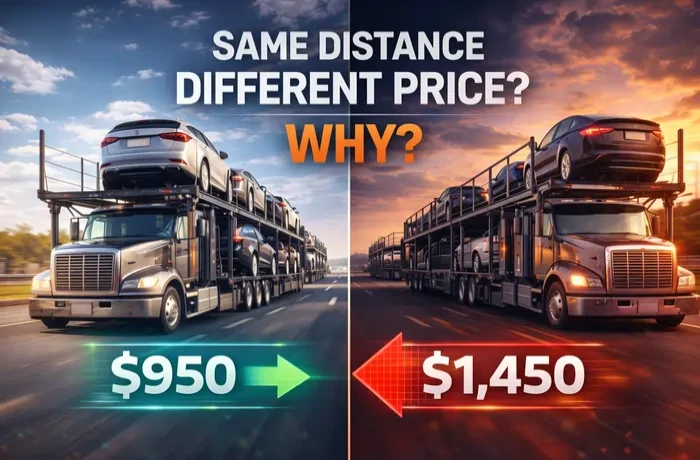


Car shipping is cheaper in one direction than another, primarily due to supply and demand along a route, which is affected by seasonal migration and regional economic trends. The best price and service depend on your specific needs, location, and flexibility.
The Factors That Make Car Shipping Cost Less One Way Than the Other

Market Forces and Route Demand
Prices on major, busy truck routes tend to stay lower. Trucking data shows that average national van rates often sit around $2.30 to $2.65 per mile. The highest average rates are in the Midwest, while the lowest can be found in the Northeast.
That rate gap ties closely to how often trucks move through a route. High traffic lanes give carriers more options and steadier demand. Less-used routes work differently. Carriers find fewer return loads, which leads to more empty miles.
To offset that loss and reduced competition, carriers often charge more. Those routes can exceed national averages seen on high-volume metro corridors.
Seasonal Trends and Migration Activity
Peak freight demand times, like summer moving season and snowbird migration, push prices higher because demand outstrips available trucks. In fact, winter moves can raise car shipping rates by up to 20 to 30 percent compared with spring or fall months.
These seasonal spikes reduce capacity and tighten truck availability, and that drives up carrier rates on busy corridors during those peak flow periods.
Geographic Accessibility and Location
Shipping between major transport hubs is cheaper for truckers because those routes are packed with activity and network choices. Major highways link big hubs, so there are many loads heading in both directions.
Such hubs also connect to rail, ports, and other modes, letting carriers pick the best path for cargo and reduce detours.
In contrast, rural, mountainous, or remote areas sit farther from major highways and hubs. Trucks may travel extra miles off major routes and return empty more often. That adds to driver time, fuel use, and operating cost.
Service Model and Delivery Method
Door-to-door vehicle shipping is a service where a carrier picks up your car from your address and drops it off as close as possible to your destination address. That convenience often costs more because carriers may travel farther from major routes and spend extra time planning safe access.
Carriers design schedules around busy hubs where many loads move, which keeps prices lower on those lanes. When a driver must leave those corridors to reach a specific home, the added miles and time raise the total cost you pay.
The average vehicle transport cost can vary widely depending on distance and route, often ranging from several hundred to well over a thousand dollars.
Vehicle-Specific Factors
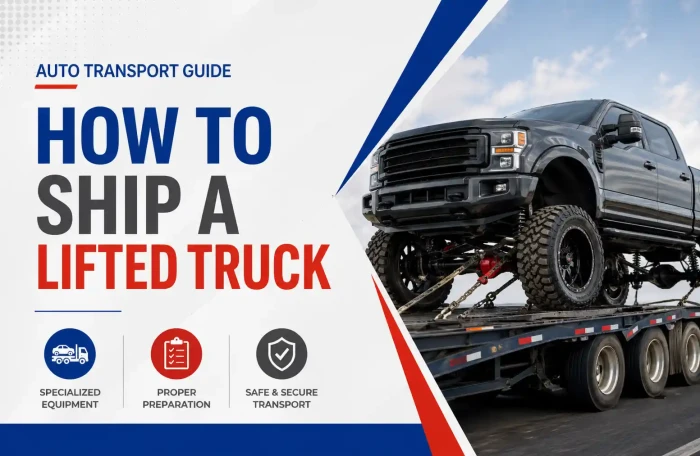
Larger vehicles and heavier cars cost more to ship because they take up more space on a truck and use more fuel. SUVs and full-size pickups often run $800 to $1,200 or more for transport, while compact cars tend to fall in lower price ranges. Extra weight reduces how many vehicles a carrier can haul at once, which cuts into carrier capacity and raises the per-car rate.
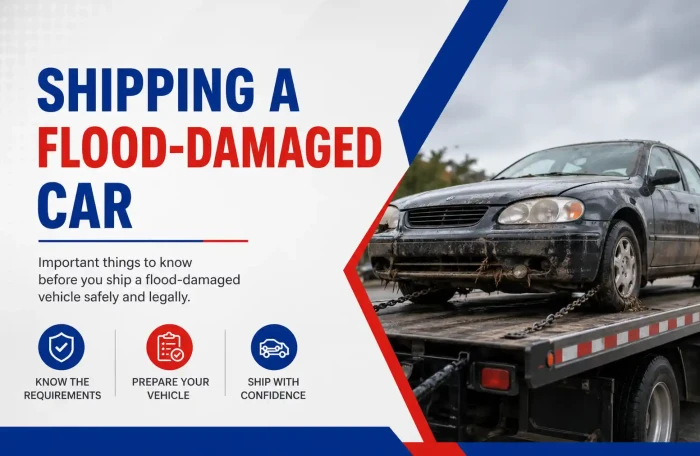
Cars that cannot drive under their own power also add cost. Winches or cranes may be needed for loading, and extra labor time is required to secure and move them safely.
Transport Type
Shipping a car using enclosed service costs more because the trailer protects the vehicle from weather, road debris, and salt, and fewer carriers offer that service. Enclosed transport often runs about thirty to fifty percent higher than open carriers, so a trip that might cost nearly $1,000 on an open truck could cost $1,600 or more when enclosed service is chosen.
That premium affects pricing differences by route. When trucks travel between busy corridors with many carriers, open pricing stays lower. Enclosed carriers, with less capacity and less frequent runs, cost even more on less busy lanes where fewer trucks operate.
Final Thoughts
Car shipping prices change depending on direction for clear, practical reasons. Truck traffic flows favor some lanes more than others. Busy metro routes attract steady carrier demand and reduce empty miles. Seasonal moves shift capacity toward one direction at a time.
Vehicle size, weight, and condition affect how many cars a carrier can haul. Service choices like enclosed transport or door-to-door pickup add limits on availability. Rural access adds time and distance.
All of these factors shape how carriers plan routes and set rates. When supply lines up with demand, prices fall. When it does not, prices rise.
Move Your Car Where It Needs to Be With AmeriFreight Auto Transport
Since 2004, we have arranged vehicle shipments with vetted carriers that work with dealerships, auction locations, and individuals across the country. Our team explains rate factors early in the process so you can plan ahead and avoid unexpected changes.
Frequently Asked Questions (FAQs)
Why is it cheaper to ship a car to a major hub like Los Angeles than to a small town in the same state?
Major hubs like Los Angeles sit on busy freight corridors where many carriers run loads every day. That high demand makes it easier for carriers to fill trucks in both directions and avoid long empty drives.
Rural, small-town stops often sit off those main routes, so trucks may travel extra miles empty, and fewer carriers serve them. That drives quotes higher for hard-to-reach destinations even in the same state.
How does the volume of cars moving in one direction impact my shipping quote?
When more cars need to move in one direction than there are trucks already going that way, carriers charge higher rates because they must find or reroute drivers to cover that lane. When trucks fill up with loads going the same way, more capacity means lower rates. That match of supply and demand drives quotes.
Is car shipping always cheaper when moving toward the coast versus inland?
No, shipping a car to the coast is not always cheaper than inland. Costs depend more on how many trucks run a route and how often carriers find return loads. Routes with high demand and many trucks tend to be lower-priced.
Inland or less served areas can cost more because carriers travel extra miles empty and have fewer options available.
How can I tell if I am shipping in a high-demand direction or a low-demand direction?
You can tell if you are shipping in a high-demand direction by comparing recent quote levels and timing patterns. If quotes for your lane are higher than usual, many buyers are booking that direction right now.
Summer and winter peak months often show higher demand and fewer available carriers. That means prices rise. If rates drop or carriers have open spots, demand is lower.
Disclaimer
The information in this guide is for general reference only and does not replace the official AmeriFreight Auto Transport terms and conditions. All vehicle shipments, rates, timelines, and services are subject to those terms. Estimates may change based on market conditions, carrier availability, and vehicle details. By requesting a quote or booking service, you agree to be bound by AmeriFreight’s terms and conditions.