


Inside the Selection Process: How Carriers Pick Vehicles
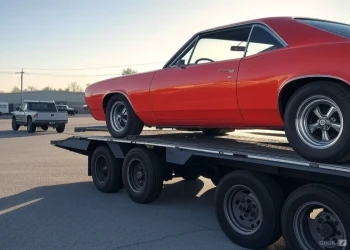
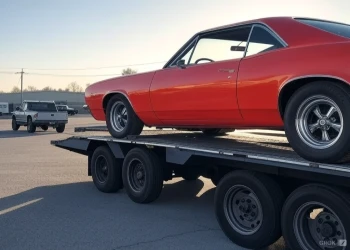
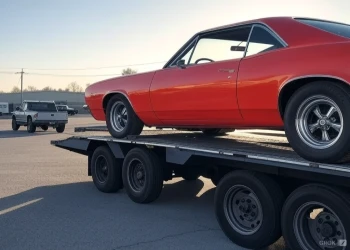
Auto transport carriers select vehicles for shipping by weighing several key factors: size, weight, location, route length, vehicle condition, profitability, and the equipment required. Each carrier has limited space on its trailer and must follow strict Department of Transportation (DOT) regulations. This means they carefully evaluate every potential shipment to make sure it fits their route, equipment, and business needs.
Understanding this selection process can help you make your vehicle more attractive to carriers. When you know what carriers look for, you can reduce your wait time and lower your shipping cost. Whether you're shipping a compact sedan across the state or a lifted truck across the country, knowing how carriers think will help you plan better and set realistic expectations.
What You'll Learn
The main criteria carriers use when choosing vehicles to transport.
Why size, route, and car condition matter to carrier selection.
Simple steps to get your car picked up faster by a carrier.
Key Takeaways
Carriers assess vehicle size, weight, and modifications against Department of Transportation (DOT) and state regulations.
Long distances, urban pickups, and easy-to-access locations are preferred.
Vehicles that run and require no special equipment are more attractive to most carriers.
Flexible timing and clear communication can improve your shipping experience.
Why Understanding Carrier Selection Matters
In the auto transport industry, brokers like AmeriFreight Auto Transport connect you with carriers who then transport your vehicle. Carriers don't take every shipment; they choose loads that best fit their trailer, route, and schedule.
Carrier selection affects the speed, cost, and success of your auto shipment. When it doesn't, you might experience delays or need to adjust your price or pickup location. The more you understand about this process, the smoother your shipping experience will be.

The 7 Factors That Carriers Consider When Selecting Vehicles
Vehicle Size and Weight
Carriers must balance the number and type of vehicles per trip. U.S. federal law says a commercial auto transporter's gross weight can't exceed 80,000 pounds, and each axle has its own limit. Longer and wider vehicles take up more space, reducing the overall number of cars a carrier can take. Modified vehicles or those with unusual dimensions must be reported in advance.
Carriers base their vehicle selections on factors such as trailer type, size, and weight regulations, following AmeriFreight’s guidelines on carrier types and the Federal Highway Administration’s truck size and weight laws to maintain safety and compliance throughout the transport process.
Shipping Distance and Route Length
Many carriers prefer longer, direct routes between major cities. Rural pickups or deliveries off main highways can mean more time and fuel, which may make them less attractive. Routes crossing challenging terrains, like mountains or remote islands, may require special planning and equipment.
Price Per Mile and Profitability
Carriers calculate their operating cost per mile, including gas, insurance, and maintenance. They look for loads that cover these costs and provide a profit. If your vehicle's route doesn't help a carrier fill their trailer or maximize earnings, they may wait for a better-paying shipment.
Geographic Location and Route
Urban areas are more attractive since they offer easier access and quicker, more efficient pickups and drop-offs. Deliveries far from highways, in remote areas, or across bodies of water may require local towing or extra equipment, which can impact pricing and carrier willingness.
Vehicle Condition and Operability
Most vehicles shipped are running and can be driven on and off the trailer. Inoperable vehicles require lift gates, winches, or special equipment, which not all carriers have. Be honest about your car's condition; if it won't start, roll, steer, or brake, let your broker know. This avoids costly delays.
Tip: Secure all loose parts and remove personal items before pickup.
Weather and Seasonal Conditions
Poor weather, such as winter storms or hurricanes, can disrupt shipping schedules and affect which shipments carriers accept. Planning your shipment for fair weather or off-peak seasons can help avoid delays.
Carrier Equipment and Capacity
Different carriers use open or enclosed trailers. Open carriers are common and cost-effective, handling five to ten cars at a time, while enclosed carriers hold fewer vehicles and offer more protection. Your car's size, value, and condition will determine which truck type fits best.
Carriers often choose between open and enclosed shipping based on vehicle type and protection needs, as outlined in AmeriFreight’s explanation of trailer and truck types.
How Vehicle Size Affects Carrier Selection

Smaller cars are easier for carriers to fit into a load, making your shipment more attractive. Large SUVs, trucks, and modified vehicles may reduce capacity for other cars, so they're chosen with care to avoid exceeding legal weight and space limits.
Large SUVs, trucks, and modified vehicles may reduce capacity for other cars, so they're chosen with care to avoid exceeding legal weight and space limits. Lifted trucks, cars with roof racks, or those with aftermarket modifications need extra clearance and space.
Understanding Carrier Operating Costs
Carriers face costs that affect both price and willingness to pick up your vehicle:
Fuel: Varies with route length and geography; mountain routes use more fuel than flat highways
Insurance requirements: Commercial auto liability and cargo insurance are expensive
Maintenance for trucks and trailers: High-mileage vehicles need regular upkeep and repairs
DOT compliance fees and business licensing: Annual permits, inspections, and registration costs add up
Making Your Vehicle More Attractive to Carriers

You can't change your car's size or condition, but you can make your shipment more appealing in other ways:
Be flexible with pickup and delivery dates and locations: This helps carriers fit your car into their load.
Choose a significant city for easier access: Meeting at a truck stop or shopping center near a highway is often easier than a residential address miles from town.
Provide accurate vehicle information up front to avoid mix-ups: Include modifications, size changes, and condition details.
Consider timing: Shipping before or after peak seasons (like summer or snowbird season) can boost your chances.
Guidance on timing and logistics can be found in AmeriFreight’s guide on how to ship your car to another state.
What to Expect During the Carrier Selection Process
Once you book, AmeriFreight Auto Transport matches your vehicle with a carrier and provides updates as your shipment is assigned and picked up. For specialized vehicles or remote locations, matching may take longer, which is why understanding the difference between a broker and a carrier when choosing the best option for car shipping can help set expectations.
Common Questions About Carrier Selection

Why hasn't my vehicle been assigned to a carrier yet?
If your car is oversized, non-running, or in a remote area, it may take longer. Being flexible helps.
How long does it take to get matched with a carrier?
Most vehicles are matched within days, but timing depends on route, season, and vehicle specs.
Can I choose my carrier?
Brokers match you with available carriers, but you can request certain carrier features (open/enclosed, lift gate, custom handling).
What if my vehicle is modified or oversized?
Give full details to AmeriFreight Auto Transport. Special loads might take extra time or cost more.
Do carriers charge extra for inoperable vehicles?
Yes, there is usually an added fee to cover special equipment and time needed.
Final Thoughts
Carriers pick vehicles based on seven main criteria: your car's size, condition, location, the route, DOT and state laws, weather, and their equipment. Improve your chances by being flexible, clear, and prepared. Shipping with AmeriFreight Auto Transport connects you with thoroughly vetted, professional carriers.
Why Choose AmeriFreight Auto Transport?

AmeriFreight Auto Transport connects you to a nationwide network of professional carriers. With more than two decades of experience, AmeriFreight Auto Transport is a trusted choice for quality and care car shipping.
What We Offer
Nationwide shipping across the continental U.S.
Open and enclosed carrier options for standard and luxury vehicles
Multi-vehicle transport for dealers and wholesale buyers
Flexible pickup scheduling coordinated with auction dates
Licensed and bonded auto transport broker (DOT MC-597401, USDOT-2238770)
Whether you bought your vehicle at an auction, through a wholesale program, or from a private seller, professional auto transport ensures it arrives safely and securely at your chosen destination.
Frequently Asked Questions (FAQs)
How many cars fit on a carrier?
Open carriers usually transport five to ten cars, but it depends on the size of the trailer.
What are DOT gross weight limits?
U.S. law caps most carriers at 80,000 pounds gross weight, including cargo.
Does my car need to run for shipping?
No, but let your broker know if it doesn't. Some carriers specialize in inoperable cars.
Can I ship a vehicle to Alaska or Hawaii?
AmeriFreight Auto Transport delivers to ports in California for Hawaii shipments. Alaska transport is not available.
Can I pack items in my vehicle?
DOT does not allow personal belongings in vehicles during auto transport, but some carriers allow it for a fee.
Does carrier selection affect my price?
Yes. Harder-to-reach areas, special equipment, or tight deadlines increase your cost.
Is there a way to track my shipment?
AmeriFreight Auto Transport provides updates.
Do I need to be present at pickup and delivery?
Yes, or someone you trust must sign for your vehicle.
Where can I check a carrier's safety record?
See FMCSA Carrier Lookup for licensing and safety data.
Disclaimer: This post is for general information only and does not provide legal, financial, or tax advice. Always consult with a licensed professional before making decisions related to vehicle sales or financing.