


Buying a car online often begins with a simple click and quickly descends into complication. A perfect online listing can hide a last-minute delivery fee. A seemingly "great deal" can involve a frustrating negotiation with a dealer who piles on hidden extras. Even a private seller can appear trustworthy until a messy title situation surfaces.
Most of this frustration stems from a single misunderstanding: not all "online car sites" operate the same way. The US market is divided into two distinct lanes. Direct retailers own the vehicles and manage the entire transaction flow. Marketplaces and aggregators, however, only help you find inventory, meaning the final purchase is with an independent dealer or a private seller. This crucial distinction significantly impacts the total cost, the timing of the process, and the level of protection you have if the car arrives and doesn't meet your expectations.
1. Carvana
Website: https://www.carvana.com
Carvana runs like an online retailer with inventory it owns, fixed pricing, and a checkout-style path that keeps most steps on one site. Filtering tools make it easy to shop by monthly payment estimate, price range, mileage, body style, and features. Trade-in tools are a big part of the appeal for buyers trying to reduce out-of-pocket costs without dealing with a private sale.
Delivery and pickup options vary by location, and delivery fees can apply based on distance. A smart habit is checking the full total early, including delivery and taxes, before spending time comparing one specific car against another. Carvana is often chosen by people who want structure and fewer unpredictable dealer negotiations.
Carvana fits buyers who want a retail-style online experience and like fixed pricing.
2. CarMax
Website: https://www.carmax.com
CarMax blends online shopping with a large store footprint, which changes the experience in a practical way. Inventory can be searched nationwide, and the site is strong for comparing trims, years, and packages across similar vehicles. Listings usually include photos and details that support research before contacting anyone.
Store access helps when a buyer wants an in-person pickup, wants to handle a trade-in locally, or wants a human touchpoint for the final paperwork. Document fees can still apply depending on the state and transaction structure, so the listing price should be treated as the base number until the final checkout or contract shows the full breakdown.
CarMax fits buyers who like fixed pricing and want a physical location available if needed.
3. Driveway
Website: https://www.driveway.com
Driveway offers an online purchase flow backed by a large dealer network. Inventory tends to include mainstream models that sell well nationally, and filters usually cover the features that drive most decisions, such as mileage, drivetrain, safety tech, and price band.
Delivery is a major part of the value proposition. Money-back guarantee terms include time and mileage limits, so those details matter for buyers planning a long drive immediately after delivery. Financing and trade-in tools appear as part of the flow, which helps keep the process organized.
Driveway fits buyers who want delivery convenience with a dealer-backed structure behind the purchase.
4. EchoPark
Website: https://www.echopark.com
EchoPark positions itself as a no-haggle used-car retailer with online browsing and physical locations in many markets. Listings typically feel retail-oriented, with clear pricing and details aimed at shoppers who want to move quickly without negotiation fatigue.
Return windows and mileage limits vary by terms tied to the transaction, so reading the exact policy before purchase matters. No-haggle pricing can reduce stress, but it does not remove the need to review paperwork carefully for optional products or processing fees.
EchoPark fits buyers who want set pricing and like seeing a real storefront behind the listing.
5. CarGurus
Website: https://www.cargurus.com
CarGurus is a marketplace that aggregates dealer listings and helps buyers compare pricing through deal ratings and market context. The site is useful for spotting listings priced well above similar inventory and for narrowing a search fast when there are hundreds of results.
The purchase does not happen through CarGurus in most cases. The deal closes with the dealer behind the listing, which means fees, add-ons, and policies depend on that seller. The platform works best as a shortlisting tool, followed by direct seller verification.
CarGurus fits buyers who want pricing context and a large pool of dealer inventory.
6. Cars.com
Website: https://www.cars.com
Cars.com is a broad listing platform that includes dealer inventory and strong research support. Filters and browsing tools make it easier to compare body styles and narrow down practical needs, like cargo space, fuel economy priorities, or driver-assist features.
Transactions happen with the seller, not the platform. Protections, return rules, and warranty coverage vary widely. The best use case is research plus discovery, then direct confirmation of fees and terms before committing.
Cars.com fits buyers who want wide inventory access and a research-friendly browsing experience.
7. AutoTrader
Website: https://www.autotrader.com
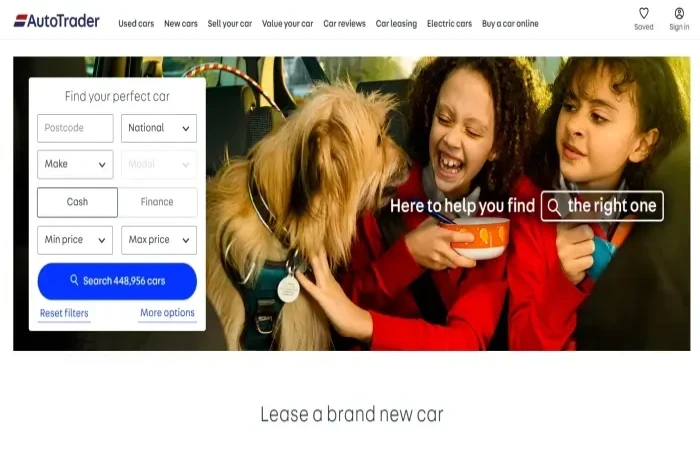
AutoTrader is a long-running marketplace for new and used listings, including dealer and private listings in many regions. Search tools are strong for high-volume models where buyers want to compare many similar vehicles quickly.
Dealer interactions are common once a buyer reaches out, and negotiation may still be part of the process. Listing detail quality varies by seller, so careful buyers confirm availability, the out-the-door number, and any add-ons early.
AutoTrader fits shoppers who want a large marketplace and do not mind closing the deal with a seller directly.
8. TrueCar
Website: https://www.truecar.com
TrueCar is built around price insight and dealer offers. Pricing tools help buyers sanity-check what a fair range looks like for a specific trim in a specific region. That can reduce the chance of overpaying, especially when comparing multiple dealers.
Deal completion happens through participating dealers. Dealer fees and optional add-ons still exist, so TrueCar is most useful for setting expectations and narrowing the dealer list before the final negotiation and paperwork.
TrueCar fits buyers who want pricing benchmarks and a structured path to dealer quotes.
9. Edmunds
Website: https://www.edmunds.com
Edmunds is research-first and works best before a buyer chooses a retailer or marketplace. Reviews, road tests, pricing guidance, and ownership cost tools help buyers avoid a regretful purchase driven by a good-looking listing.
The site does not usually act as the seller. Value comes from helping shoppers make the right decision with more confidence and understand what a reasonable price looks like.
Edmunds fits buyers who want deep research and pricing validation before purchasing elsewhere.
10. CARFAX Used Cars
Website: https://www.carfax.com/cars-for-sale
CARFAX Used Cars ties listings to vehicle history reporting, which helps buyers screen for risk early. Filters often prioritize one-owner vehicles, service records, or other indicators that reduce uncertainty during initial browsing.
CARFAX does not usually sell the car. The transaction happens with the dealer or seller behind the listing, so fees and return rules vary. History reports are best treated as a guide for questions to ask and items to verify during inspection.
CARFAX Used Cars fits buyers who want a history context closely linked to listings.
11. iSeeCars
Website: https://www.iseecars.com
iSeeCars focuses on analyzing listings to highlight deal quality and market comparisons. Deal scoring can help buyers cut through noise when many listings look similar and small differences in mileage, trim, and pricing start to blur together.
The seller still controls the transaction. Verification of fees, listing accuracy, and vehicle condition remains essential once a buyer clicks through to contact a dealer.
iSeeCars fits buyers who want market-based deal analysis to narrow options quickly.
12. Autolist
Website: https://www.autolist.com
Autolist acts as an aggregator designed to help shoppers search across multiple sources from a single interface. That can save time when the goal is understanding the market range for a model rather than falling into a single site’s inventory bubble.
Availability confirmation matters with aggregators. Listings can change status quickly, so the best workflow is using Autolist to find candidates, then confirming details directly with the seller.
Autolist fits buyers who want broad visibility and faster market scanning.
13. AutoTempest
Website: https://www.autotempest.com
AutoTempest is a used car meta-search engine built for cross-platform comparison. It helps buyers confirm pricing reality and widen the search beyond one marketplace, which is useful when inventory feels thin in a specific city.
The platform typically routes buyers to original listing sources to contact sellers. That makes it a strong comparison tool, not a standardized buying experience.
AutoTempest fits buyers who want quick market checks across multiple listing sources.
14. Facebook Marketplace
Website: https://www.facebook.com/marketplace
Facebook Marketplace is a major source of private-party listings in the US. Prices can be lower than dealer listings, and local search makes it easy to find nearby options quickly.
Risk management becomes the buyer’s job. Identity verification, inspection, title confirmation, and safe payment handling matter more than browsing filters. A clean conversation thread does not replace paperwork clarity.
Facebook Marketplace fits buyers who want private-party pricing and can manage a careful verification process.
15. Craigslist Cars and Trucks
Website: https://www.craigslist.org
Craigslist remains active for vehicle listings, especially for older cars and budget listings. Inventory quality varies widely, and listing details can be thin compared to retail sites.
The platform works best for buyers who already know what they want and can ask direct questions. Inspection and documentation checks should be treated as non-negotiable steps.
Craigslist fits buyers who want access to private listings and are comfortable managing higher transaction risk.
Buying Out Of State Changes The Timeline
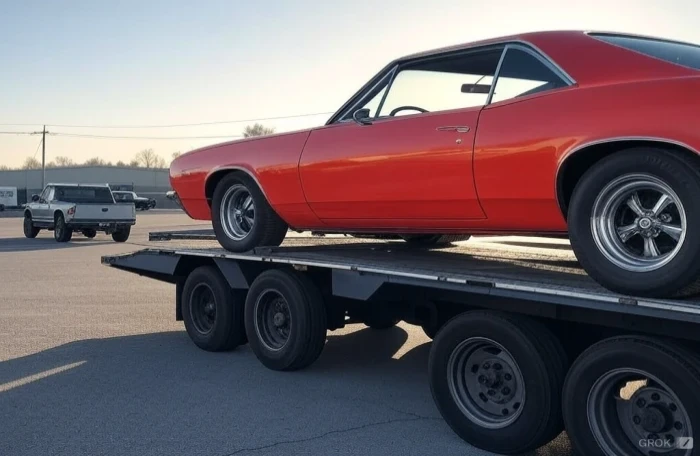
Online buying gets more complicated when the vehicle is far away. Shipping becomes part of the plan, and timing depends on routing and carrier availability. AmeriFreight Auto Transport can coordinate vehicle shipping with Open or Enclosed transport and Door-to-Door Service (Location Permitting). No upfront payment until you choose a carrier.
DOT rules do not permit personal items to be shipped in vehicles. Some carriers may allow limited items for an extra fee, but the discussion needs to happen before dispatch.
Ready to move a car you bought online
Get a quote from AmeriFreight Auto Transport and talk with a customer service agent about the route, transport type, and pickup plan that fits your timeline. No upfront payment until you choose a carrier.