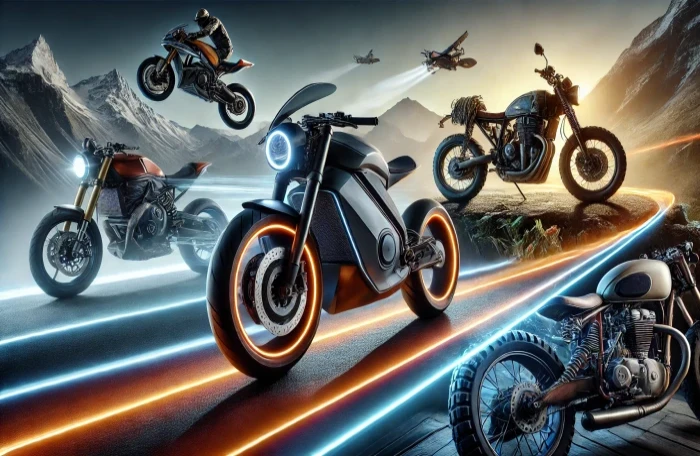


For decades, the motorcycle industry sold a very specific version of authenticity. The unstated rule was that if a road trip did not leave you physically exhausted and mentally drained, you were not doing it right. Riders quietly accepted the heavy clutch pull in traffic, the roaring engine noise, and the harsh wind buffeting as the unavoidable tax of the open road. The 2026 model year upends that assumption.
The new engineering arms race is no longer about chasing peak horsepower. It is about preserving the rider's energy. High-density electric batteries finally make touring practical. Hidden radar systems handle the mental load of highway cruising. The latest technology strips away the tedious parts of riding, leaving you with the exact thing you actually bought the motorcycle for in the first place.

Electric Bikes Finally Get Real Highway Range
Electric bikes finally have the stamina for a cross-country road trip. High-density battery designs and the near-universal adoption of the North American Charging Standard (SAE J3400) mean riders can travel without mapping routes strictly around obscure charging stations. A quick stop of 20 or 30 minutes brings a modern 800-volt system to an 80 percent charge.
The hidden tradeoff is weight. Bigger batteries make the bike heavier at slow speeds. Buyers must decide if they want maximum highway miles or a lighter machine that is easier to muscle around a parking lot. That extra mass pays dividends in crosswind stability on the interstate. It also means a simple tip-over at a gas station requires significantly more physical effort to right the machine. A dropped 600-pound electric touring bike often requires two people to lift safely.
Hybrid Motorcycles Offer the Best of Both Worlds
Going fully electric is not the only option right now. A hybrid platform combines a standard gas engine with an electric motor to deliver instant power and a total range of more than 400 miles. Hybrids provide the familiar sound of a combustion engine plus the extra push of electric power. Riders never have to wait at a public charger.
The electric motor acts as a torque-fill mechanism, providing aggressive acceleration while the gas engine builds revs. You get the benefits of instant electric thrust without giving up the safety net of a traditional gas station. The added complexity does raise questions about long-term maintenance costs, though manufacturers are backing these dual powertrains with decade-long warranties to ease buyer hesitation.

Radar Safety Tech Makes Riding Less Exhausting
Features like adaptive cruise control and blind-spot monitoring use hidden radar sensors to automatically maintain a safe following distance. Letting the bike handle the tedious, constant speed adjustments in heavy traffic leaves the rider with much more focus when they finally reach twisting backroads.
Modern systems tie into a six-axis inertial measurement unit that actively tracks lean angle to keep interventions smooth and predictable. Some 2026 models even feature group ride settings that safely stagger following distances for riding in a pack.
This convenience introduces a severe financial vulnerability. A minor parking lot drop that once required a cheap plastic replacement can now damage a sophisticated radar module. Replacing and recalibrating that sensor often totals the motorcycle or drastically spikes the owner's insurance premium.

Automatic Transmissions Take the Cramp Out of Traffic
Constantly squeezing a heavy clutch lever in stop-and-go traffic is physically exhausting. Manufacturers are deploying automated gearboxes to handle the shifting without sacrificing the crisp power delivery of a traditional motorcycle. The latest electronic clutch actuators add just a few pounds and fit seamlessly within standard engine casings.
Veteran riders often assume a computer cannot feather a clutch properly on a steep, loose-gravel hill. Modern actuators actually slip the clutch plates with more precision than a human hand. They prevent stalls even when crawling at a walking pace on unpredictable terrain. You can still change gears yourself using simple hand or foot triggers, but the bike handles the heavy mechanical engagement.
Moving Aerodynamics Keep the Rider Comfortable
Instead of just generating track downforce, moving parts now actively manage temperature and wind for the everyday rider. Active aerodynamics allow a bike to look sleek and aggressive in the city while transforming into a capable touring machine on the highway. At highway speeds, the bike adjusts its external shape to push hot engine air away from the rider's legs and create a quiet pocket of air around the helmet. When the temperature drops, some systems automatically close front intake vents to redirect engine heat back toward the rider. This eliminates the need to bolt massive, permanent windshields to a bike just to make it capable of handling a cross-country tour.
Deciding what to park in the garage requires an honest assessment of how you actually ride. Anxiety over software glitches or dead batteries is common, but it overshadows the massive utility these systems provide. The true value of a 2026 motorcycle is not found in spec sheets or acceleration times. It is measured by the ability to finish a 500-mile day with enough energy to actually enjoy the destination, keeping the rider in the saddle for as long as possible.