

Starting college can feel both exciting and overwhelming. In 2025, an estimated 19,567,692 students across the United States are working toward their degrees, and many of them are asking the same question about cars and campus life.
Having your own vehicle can feel like a lifeline for busy days and late nights, yet the real cost in money, time, and stress can quickly take the shine off that freedom. This guide is designed to help you face that tension with clarity, so you can weigh the tradeoffs, protect your budget, and choose a plan that supports your safety, independence, and peace of mind.
What You’ll Learn
In this guide, we will answer:
How do you know if having a car on campus is genuinely worth the cost and responsibility?
What practical alternatives can still give me independence without the financial strain of car ownership?
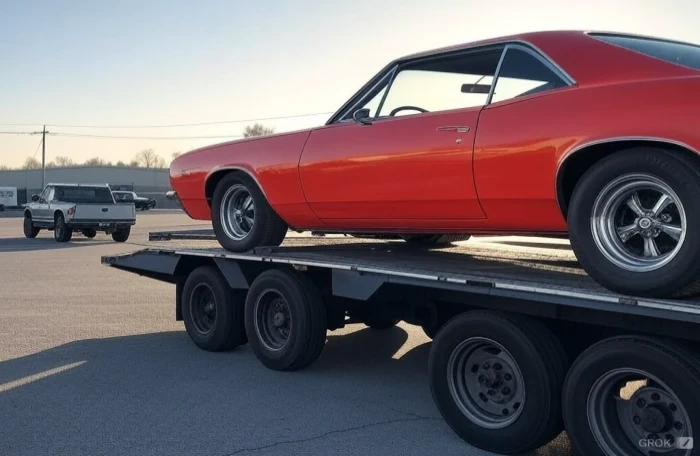
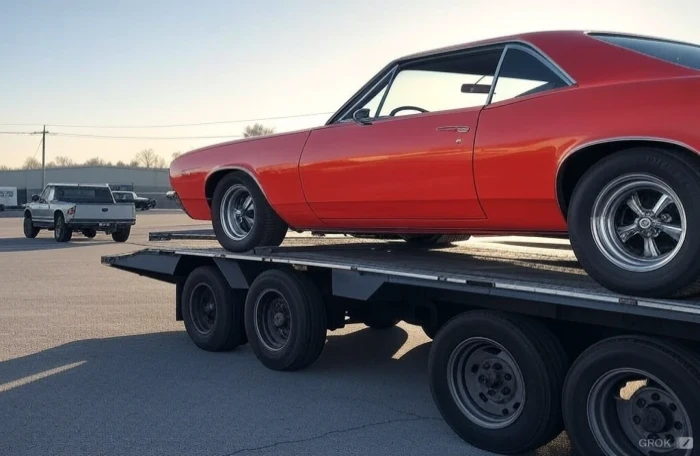
When does shipping a car to college make more sense than driving or leaving it at home?
Overview
Is It Worth Bringing A Car To University
The value of a car in college depends entirely on your individual situation and the location of your college or university. Use this quick checklist to determine if a vehicle meets your needs.
When a Car is Usually Helpful:

You commute: You live off-campus and must drive to classes every day.

Rural school: Your campus is located in a rural area with limited public transportation options.

Off-campus job: You have a job or required internship that the bus doesn't reach.

Commitments: You have regular duties outside of campus, like family responsibilities.


When a Car is Often Unnecessary:

Urban school: Your campus is located in a major city with excellent public transportation options, including a comprehensive subway or bus system.

Walkable campus: You live in a dorm or campus housing where classes are a quick walk away.

Good transit: Your school offers free or reliable campus shuttles that cover key areas of the campus.


Car on Campus vs Public Transportation: Pros and Cons
Deciding between driving and using public transport is a major choice for your wallet and lifestyle. Let's look at the trade-offs.
Practical Benefits Of A Car For Off-Campus Students
For some students, a car is a critical tool for managing their busy lives.

Convenience and Flexibility
For students doing it all, a car is a lifesaver.
Managing commitments: It offers maximum flexibility for fitting in classes, work, clubs, and errands without wasting time.
Real-life examples: A car is essential for getting last-minute groceries, making it to appointments, or moving your things between different apartments.
Better Access to Off-Campus Housing, Jobs, and Internships
A car can be an investment in your financial and professional future.
Save on rent: You can live further away from campus, where rent is often cheaper, lowering your most considerable monthly cost.
Better jobs: It allows you to reach higher-paying jobs that are not located directly on public bus lines.
Build your resume: You can easily get to off-campus internships or co-ops, which are vital for starting your career.
Safety, Security, and Emergency Preparedness
In serious situations, a car can mean quick help.
Late-night safety: A car is the safest choice for late-night travel when campus shuttles are finished or when you feel unsafe waiting for a bus.
Quick help: It gives you direct, immediate access to a hospital or urgent care center during a medical emergency.
Ready for anything: In the event of a natural disaster or campus crisis, having a personal vehicle enables you to evacuate quickly and on your own terms.
Alternatives to Having a Car in College
If the stress of car ownership is too much, there are many smart alternatives to having a car in college that still keep you mobile. This highlights the clear benefits of not having a car at university.

Public Transportation and Campus Shuttles
These are typically the easiest and cheapest options for regular travel.
City services: Use the local city buses, trains, and free campus shuttles for most of your needs.
Full coverage: In areas with excellent transit, these options can handle almost all of your daily commuting needs.
Walking, Biking, and E-Bikes
These are best for short trips around the local area. Ideal for schools where most buildings and local shops are within a quick walk or bike ride.
Ride-Share, Taxis, and Carpooling
Use these for occasional trips that transit doesn't cover.
Best for emergencies: Great for late-night trips, last-minute doctor visits, or quick runs to the store.
Split the cost: Share the ride and the cost with friends to make this option more affordable.
Car-Sharing and Short-Term Rentals
Rent a car only when you need it for a specific task.
Quick rentals: Utilize services like Zipcar for an hour or two to make a big shopping trip or when relocating items.
Vacations: Renting a car for a weekend road trip is often more cost-effective than owning a car for the entire year.
How to Choose the Best Transportation Plan for College
The decision to bring a car to college is up to you, depending on your needs and your school's rules. To make the best choice, we suggest that students and parents:
List every transportation need (e.g., drive five miles to work, need groceries once a week).
Compare the full costs of car ownership versus relying on transit and occasional ride-sharing.
Decide to bring the car now, wait a year, or stick with the great alternatives available at your school.
When Shipping a Car to College Makes Sense
If you have decided a car is necessary, but the drive is across the country, shipping is often the smarter choice.
Scenarios Where Car Shipping Is a Smart Option
Shipping saves you time, wear and tear, and potential danger.
Long-distance moves: Out-of-state students relocating a long distance should ship their car to avoid a stressful, multi-day drive.
Parental worry: If parents don't feel comfortable with a new driver making a long, solo highway trip, shipping is a safer option.
Bad weather: Shipping avoids the risk of driving through snowstorms, severe rain, or busy highway traffic during move-in.
Internship moves: If you need the car for a short-term internship or co-op in a far-off state, shipping is a reliable method.
How Car Shipping Works for College Students
The process is simpler than you might think.
Get a price: Contact a reliable company to obtain a clear and honest quote based on your route.
Choose a type: Pick between open transport (cheaper, most common) and enclosed transport (more expensive, more protection).
Schedule: Arrange the pickup and delivery dates to align with your move-in schedule.
Why it's better: Shipping reduces the mileage and wear-and-tear on your vehicle and lowers the risk of accidents from long, tiring highway drives.
Final Thoughts: Choosing The Path That Works For You
Choosing the right transportation plan in college is about understanding your routine, knowing your financial limits, and selecting the option that supports your academic, social, and personal well-being. With thoughtful planning, you can stay mobile without sacrificing your peace of mind or your budget.
Ready to Ship Your Car?
If you've decided that having a car at college is the right move, but the distance feels overwhelming, AmeriFreight Auto Transport is here to help make that transition safe and straightforward.
With more than 20 years of experience, we specialize in coordinating vehicle shipments through a carefully vetted network of licensed and insured carriers. That means peace of mind for parents and reliable transport for students.
Get your free, no obligation quote today.
Frequently Asked Questions (FAQs)
Do I really need a car in college?
For most students living on or near campus, the answer is no. A car is typically only required for specific situations, such as a long commute or a rural campus.
What are the best alternatives to having a car in college?
The best strategy is to combine free campus shuttles, city bus passes, walking/biking, and using Uber or Lyft for occasional trips.
How can I budget for transportation costs in college if I don’t own a car?
Plan for the cost of a student transit pass and a small monthly budget for occasional rideshares (about $50 to $100). This is far less than any car payment or insurance cost.
What should I consider before bringing a car to campus my freshman year?
First, check your college's freshman parking rules, as most schools restrict parking for freshmen. If permitted, be prepared for high parking permit costs and the stress of finding a parking spot.
How to find affordable student parking on campus?
To find affordable student parking on campus, you should contact your university's parking services or student affairs office to inquire about discounted permits, remote lot options, or carpooling incentives.