

Have you ever wondered what it truly costs to live in Puerto Rico and whether relocating is worthwhile?
If you've dreamed of warm breezes, palm trees, and beachside mornings, moving to Puerto Rico might sound like your perfect next step. But before you pack your things, it’s smart to know what daily life there costs, how the housing market looks, and what steps you need to take to live comfortably on the island.
Moving to Puerto Rico can feel like a dream, but understanding the practical details helps determine if it aligns with your lifestyle and budget.
What You’ll Learn in This Guide
In this guide, we will answer some important questions:
What is the cost of living there compared to the mainland?
What are the main pros and cons of living in Puerto Rico?
What steps should U.S. citizens take to relocate smoothly?
Overview
Puerto Rico Cost of Living: What You Need to Know
Before relocating to Puerto Rico, you need to know how prices on the island compare to those on the mainland.

Housing Market Trends
Housing costs in Puerto Rico are increasing. Home prices jumped 11.6% in the first quarter of 2025 compared to the year before, which is higher than in any U.S. state. The median sales price of houses on the island now sits around $290,000, but is still well below the U.S. median of nearly $398,000.
Rapid growth and affordability have attracted wealthy buyers and investors, drawn by tax breaks, a strong tourism industry, and booming short-term rentals. However, this surge has made housing increasingly out of reach for many locals.
According to Zillow, the average rent in Puerto Rico is around $2,550, which is higher than the overall U.S. average of $2,100. But this is still considerably less than in major metro areas like New York City and Los Angeles, where rent is $3,795 and $2,795, respectively.
Utilities
Utilities on the island can be more expensive due to fuel and infrastructure challenges.
Groceries
Groceries in Puerto Rico generally cost more than on the U.S. mainland, especially for imported goods. The higher prices are mainly due to shipping costs and the Jones Act, which requires goods moved between U.S. ports to be transported on U.S.-built, owned, and operated ships.
Here are a few things to keep in mind:
Imported products like packaged foods and brand-name items are often more expensive.
Local products tend to be cheaper and fresher, especially when bought directly from nearby farms.
Farmers’ markets offer affordable produce and help support local agriculture.
Programs like El Mercado Familiar connect residents with local farmers, making it easier to buy fresh foods while saving money.
Transportation
If you’re moving to Puerto Rico, it’s helpful to know how transportation works. In the San Juan area, you can use public options like the Tren Urbano metro, the Metropolitan Bus Authority (AMA), and shared “carros públicos.”
Outside major cities, public transit is limited and often unreliable, so most residents rely on personal cars. Driving can be challenging because roads are narrow and potholes are common. You can use your U.S. driver’s license at first, but you’ll need a Puerto Rico license if you plan to stay long-term.
Healthcare
Puerto Rico has both public and private healthcare options, much like the mainland U.S. Many newcomers choose private health insurance because it’s usually more affordable than mainland plans and offers good local coverage through companies such as Triple-S, MCS, and Humana.
The public healthcare system, known locally as Vital (Puerto Rico’s version of Medicaid), serves about half of the island’s residents. It offers free or low-cost care but faces challenges such as limited funding, long wait times, and doctor shortages.
Here’s a quick breakdown:
Private healthcare offers high-quality services, modern equipment, and U.S.-trained doctors.
Public healthcare provides basic, affordable care but often struggles with capacity and access.
Private insurance is typically cheaper than mainland plans but may not provide full coverage outside Puerto Rico.
Public services are available to many residents, but can have longer waits due to limited resources.
Understanding Puerto Rico’s Status and Population Density
Before relocating to Puerto Rico, it's essential to understand its connection to the mainland United States.

Why Puerto Rico Is a US Territory
Puerto Rico became a U.S. territory in 1898, and its residents have been U.S. citizens since 1917. This means you can live, work, and travel to and from Puerto Rico without a passport if you are a U.S. citizen. However, Puerto Rico does not have voting representation in Congress (only a non-voting Resident Commissioner). It operates under its own constitution while following U.S. federal laws.
Tax Structures and Governance
Puerto Rico’s tax system is a bit different from the rest of the United States. If you plan to live or work there, here are the basics to keep in mind:
No federal income tax on local earnings: You usually don’t pay federal income tax on money earned in Puerto Rico.
Federal tax on mainland income: You still pay federal taxes on income earned from the mainland U.S.
Local taxes apply: Puerto Rico has its own taxes, including a sales tax of 11.5% and property taxes that are often lower than in many mainland states.
Because tax rules can be complicated, it’s smart to consult a tax professional familiar with Puerto Rico’s laws before moving or working remotely from the island.
Population Density of Puerto Rico
The population density of Puerto Rico is about 926 to 935 people per square mile. It is one of the most densely populated areas under U.S. jurisdiction. Cities like San Juan and Bayamón are busy and have heavy traffic, especially during rush hour.
In contrast, rural mountain towns and smaller coastal areas are quieter and more relaxed. Where you choose to live will have a big impact on your daily life and overall experience on the island.
Safety and Crime Rates
Safety and crime rates in Puerto Rico are important considerations for relocation. Puerto Rico’s crime index is higher than the U.S. (61.31 vs. 49.07), and its safety scale is lower (38.69 vs. 50.93), meaning residents may feel less secure overall.
Despite that, Puerto Rico is working to improve safety through:
Project Safe Neighborhoods: Cracks down on gun and gang crimes while offering youth programs and prevention workshops.
Puerto Rico’s Law Enforcement Coordinating Committee (LECC): Strengthens public safety by uniting federal, state, and local agencies to fight crime. It also promotes prevention efforts and provides specialized training on issues like narcotics, hate crimes, and white-collar crime.
The island continues to improve public safety, but new residents should still take basic precautions. Avoid poorly lit areas at night, stay alert in crowds, and keep your home secure. Keep emergency numbers like 911 and local police contacts handy. With a little awareness and preparation, you can enjoy island life safely.
Relocating to Puerto Rico: Step-by-Step Guide

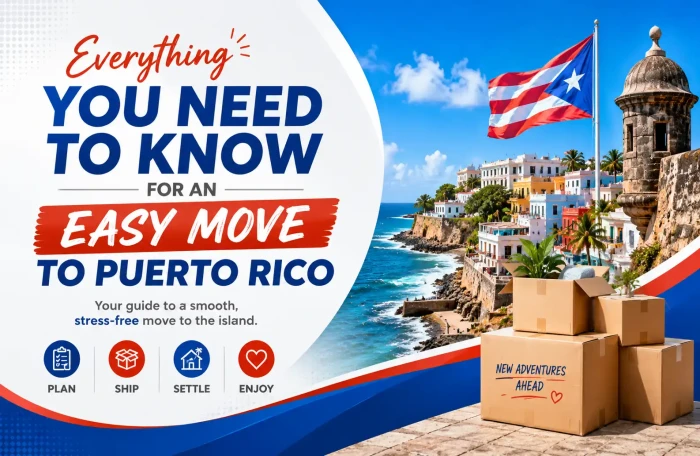
Relocating can be challenging, so it’s important to understand how to move to Puerto Rico from the U.S. This step-by-step guide will walk you through the essentials.
Step 1: Initial Planning
Start by laying the groundwork for your move.
Research Housing: Explore rental and purchase options in Puerto Rico, and learn about local lease terms if you plan to rent.
Compare Shipping Costs: Check the costs of shipping by sea or air, as these are usually higher than moving within the mainland U.S.
Arrange Travel: Book flights with weather and hurricane season in mind to avoid delays.
Step 2: Shipping Your Belongings
Shipping items to Puerto Rico can be pricey, so downsizing before you move will save money and make the process much easier.
Step 3: Settling In
Once you arrive, focus on these essentials:
Get a Puerto Rican driver’s license within 30 days.
Set up local healthcare providers and schools if needed.
Join local groups or expat communities to connect, find resources, and get tips on island life.
Vehicle Considerations
If you’re taking your car, here’s what you need to know:
Register your car locally and get Puerto Rican license plates.
Pass a local safety inspection.
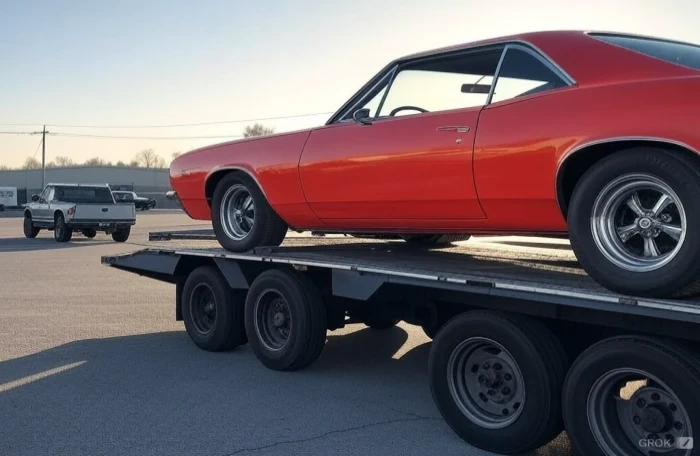
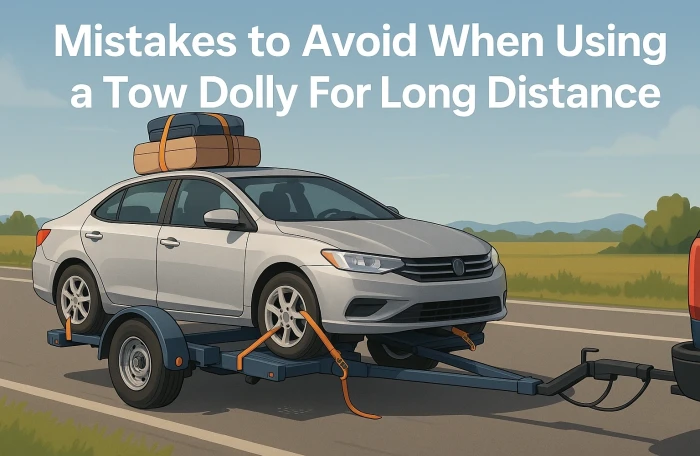
Pay import taxes based on the car’s value, age, and weight. For older or heavier cars, it may be cheaper to sell before you move and buy another once you’re on the island.
Living in Puerto Rico: Pros and Cons

Living in Puerto Rico comes with a mix of sunny upsides and challenges you need to know before you commit. Here’s what daily life looks like so you can decide if it truly matches your lifestyle.
Pros:
Warm weather throughout the year
Beautiful beaches and outdoor activities
Rich culture and community spirit
Lower property taxes and healthcare costs
No passport or visa needed for U.S. citizens
Warm weather throughout the year
Beautiful beaches and outdoor activities
Rich culture and community spirit
Lower property taxes and healthcare costs
No passport or visa needed for U.S. citizens
Cons:
High humidity and hurricane season
Some higher costs for utilities and groceries
Spanish is the primary language
Lower local wages in many sectors
Occasional power outages
High humidity and hurricane season
Some higher costs for utilities and groceries
Spanish is the primary language
Lower local wages in many sectors
Occasional power outages
Exploring San Juan Antiguo and Other Places to Live
When moving to Puerto Rico, where you live will shape your daily life, costs, and community experience. Let’s look at San Juan Antiguo and other popular areas to help you find the best fit for your lifestyle.

Living in San Juan Antiguo
San Juan Antiguo, or Old San Juan, features colorful Spanish colonial architecture, cobblestone streets, and a rich cultural environment. You will find art galleries, cafes, and ocean views steps from your door. It is walkable and filled with local shops and historical landmarks. However, living here can come with a higher cost of living due to its popularity, with smaller living spaces and higher rent compared to other parts of the island.
Condado
Condado is a beachfront community near Old San Juan known for its modern apartments, active nightlife, and restaurants. It offers a mix of locals and expats, making it easy to meet people if you are new to the island. Rent and housing costs are higher here, but you will enjoy easy access to the beach and urban conveniences.
Rincon
If you prefer a quieter, laid-back lifestyle, Rincon may be a good fit. Located on the west coast, Rincon is famous for its surfing, sunsets, and small-town feel. The cost of living is often lower than in San Juan, and the community is friendly and tight-knit, with many seasonal residents and expats.
Dorado
Dorado is popular with families and professionals looking for gated communities, good schools, and a suburban feel while still being close to San Juan. Housing here ranges from luxury homes to more modest townhouses, with well-maintained roads, golf courses, and parks nearby.
Requirements for Puerto Rico Residency (U.S. Citizens)
To establish bona fide residency in Puerto Rico, U.S. citizens need to satisfy three key IRS-defined tests:
Presence Test: Be physically present in Puerto Rico for at least 183 days during the tax year.
Tax Home Test: Your primary place of business or employment (your "tax home") must be located in Puerto Rico.
Closer Connection Test: Demonstrate that your significant personal and financial ties are stronger with Puerto Rico than with any other U.S. state or foreign country.
Final Thoughts: Thinking About Moving to Puerto Rico?
Moving to Puerto Rico can be a rewarding experience if you set realistic expectations. Understanding the cost of living helps with budgeting, and knowing the relocation steps makes settling in much smoother.
By preparing ahead, you can decide if Puerto Rico fits your financial plans, work needs, and personal goals, while avoiding surprises that might complicate your fresh start.
Frequently Asked Questions (FAQs)
Can U.S. citizens move to Puerto Rico?
Yes, you can. Since Puerto Rico is a U.S. territory, U.S. citizens do not need a passport, visa, or any special permit to live or work there. You will need a government-issued ID for flights, but otherwise, moving to Puerto Rico is as simple as moving to another state.
Is Puerto Rico a safe place to live?
Yes, Puerto Rico is generally considered safe, with most violent crime localized and related to drug and gang activity, similar to many areas on the U.S. mainland. Tourists are rarely targeted.
Is Puerto Rico a Spanish-speaking country?
While both Spanish and English are official languages in Puerto Rico, Spanish is by far the dominant language spoken in daily life, education, and business, making it functionally a Spanish-speaking territory.
How do I qualify for Puerto Rico’s tax incentives?
To qualify for Puerto Rico’s tax incentives under Act 60, you must become a permanent resident of the island by spending at least 183 days in Puerto Rico each year and showing that it’s your main home. This includes getting a Puerto Rico driver’s license, registering to vote, and filing local tax returns. Because the rules can be complex, it’s best to consult a tax professional who understands Act 60 to make sure you meet all requirements and stay in compliance.