

Car auctions move millions of vehicles through the U.S. market every year. Dealers use them to clear aging inventory, rental companies rotate out fleet vehicles, and banks liquidate repossessions through wholesale channels. Insurance companies also rely on auctions to sell damaged vehicles after claims are settled.
The market continues to grow at a significant scale. In 2025, National Auto Auction Association member auctions sold more than 8 million vehicles, while wholesale transaction values surpassed $100 billion.
For buyers, auctions create access to vehicles that may never appear on a traditional dealership lot. That includes late-model fleet vehicles, commercial trucks, repossessions, salvage vehicles, and specialty inventory. However, the process moves quickly, and the real cost of a vehicle often extends far beyond the winning bid.

Why Vehicles End Up at Auction
Most auction inventory enters the market through predictable channels tied to the automotive retail cycle.
Trade-ins remain one of the largest sources. Dealers frequently keep newer vehicles with strong retail demand while sending older or higher-mileage inventory to wholesale auctions. Lease returns and rental fleet vehicles also account for a large portion of auction volume.
As vehicle production stabilized after several years of supply disruptions, rental agencies began replacing older fleets at a faster pace. That shift pushed more two- and three-year-old vehicles into auction lanes throughout 2025.
Other common auction vehicles include:
Bank repossessions
Government fleet vehicles
Insurance total-loss vehicles
Flood-damaged vehicles
Commercial work trucks
Dealer overstock inventory
Some vehicles arrive with clean titles and documented maintenance histories. Others carry branded titles that can affect financing, insurance eligibility, and long-term resale value.
Dealer Auctions Handle Most Wholesale Inventory
Most large-scale vehicle remarketing happens through dealer-only auctions operated by companies such as Manheim, ADESA, and America’s Auto Auction.
These platforms are designed for licensed dealers rather than casual buyers. Dealers use auctions to move inventory quickly across regions, adjust pricing strategies, and replace aging stock without waiting for retail buyers.
AuctionNet, one of the industry’s largest wholesale pricing databases, gathers information from 265 National Auto Auction Association member auctions. According to the association, that network represents roughly 85% of the U.S. wholesale auction market.
At the same time, digital bidding continues reshaping how dealers participate in auctions. In 2025, about half of all in-lane sales went to online bidders rather than buyers standing at the physical auction site. As a result, dealers can now monitor multiple auction lanes across several states while bidding remotely in real time.
Public Auctions Offer Different Opportunities
Public auctions operate under a different structure and usually allow broader participation.
Insurance Auto Auctions (IAAI) and Copart dominate the salvage auction market, where damaged vehicles, theft recoveries, and insurance total-loss units are sold. State laws often determine which title types public buyers can purchase directly and which require a licensed broker.
Most public auction platforms require identity verification and paid memberships before bidding begins.
Government auctions also attract buyers looking for fleet-maintained vehicles at lower prices. The U.S. General Services Administration sells approximately 30,000 to 40,000 retired government vehicles every year through GSA Fleet Vehicle Sales. These auctions may include sedans, pickup trucks, buses, cargo vans, and utility vehicles previously used by federal agencies.
Meanwhile, the U.S. Marshals Service auctions seized and forfeited property, including luxury vehicles and specialty equipment.
Auction Run Lists Shape Buying Decisions

Experienced auction buyers spend considerable time reviewing the run list before placing a single bid.
A run list is the auction schedule showing which vehicles will cross the block, the order they will appear in, and important details tied to each unit. Most run lists include VINs, mileage, seller disclosures, and condition information.
That preparation matters. Some vehicles move through live bidding in less than a minute, leaving little time for last-second research.
Professional buyers use run lists to:
Pull vehicle history reports
Compare wholesale market values
Identify branded titles
Review seller announcements
Track condition grades
Avoid high-risk inventory
Seller disclosures often reveal issues that photos cannot capture. Auctions may announce flood history, frame damage, mechanical problems, emissions tampering, or biohazard contamination moments before bidding starts.
The Final Cost Goes Beyond the Winning Bid
Many first-time buyers focus entirely on the hammer price and underestimate the additional costs attached to auction purchases.
Buyer’s premiums are standard throughout the industry and usually range from 5% to 15% of the final bid amount.
Additional charges may include:
Storage fees become especially expensive when buyers fail to arrange transportation quickly. Most auctions require vehicles to leave the facility within two to five business days after payment clears.
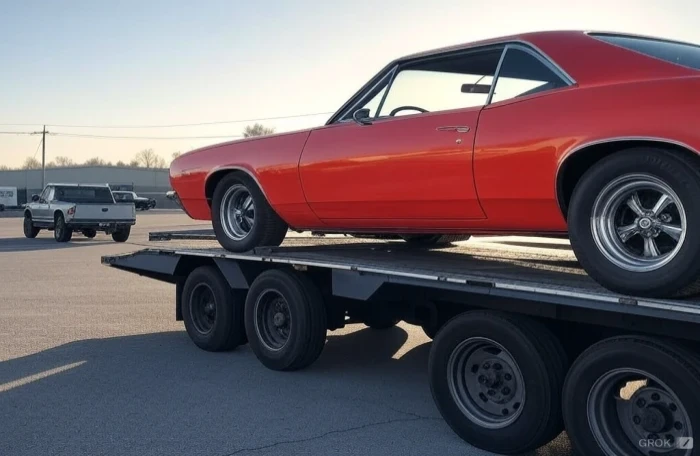
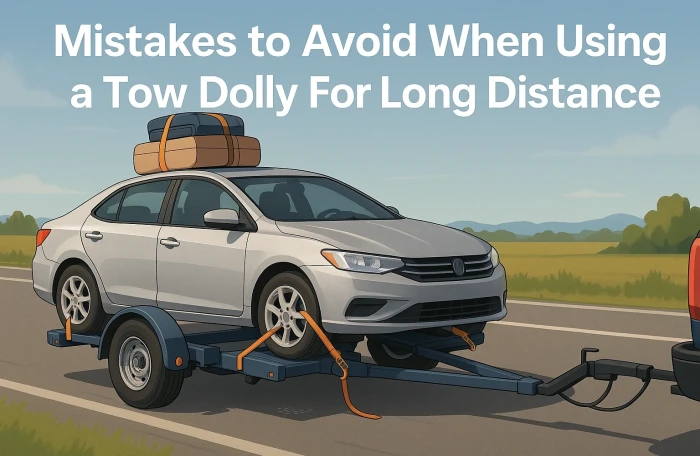
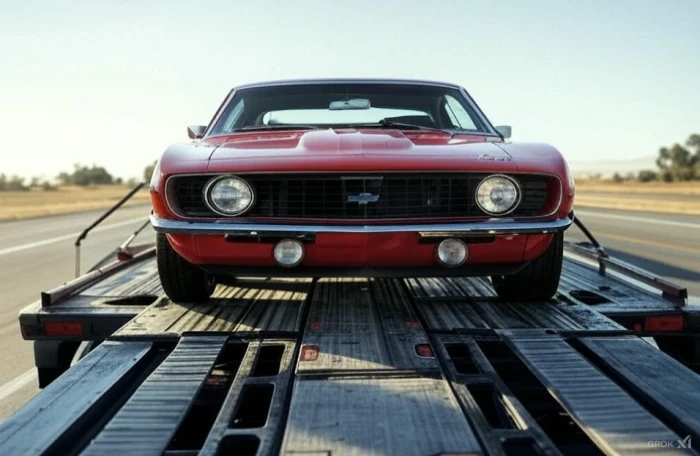
Transportation costs also vary based on mileage, vehicle condition, and route availability. Cross-country shipping often costs less per mile than shorter regional moves, while non-running vehicles may require winch service or specialized loading equipment.
Branded Titles Require Extra Attention
Title status affects nearly every part of vehicle ownership, including financing, insurance, resale value, and future repairs.
A salvage title usually means an insurance company determined that repair costs exceeded a state-defined percentage of the vehicle’s value. Nevada, for example, uses a 65% damage threshold for salvage classification.
Common branded title categories include:
Salvage
Rebuilt salvage
Flood damage
Lemon law buyback
Flood vehicles create particular concern in the auction market. According to the California DMV, water damage can continue affecting electrical systems and mechanical components long after cosmetic repairs are completed.
Buyers should look carefully for warning signs such as rust beneath carpeting, mud inside trunk compartments, corrosion around electrical connectors, or VIN plates attached with non-factory rivets.
Some rebuilt vehicles still provide strong value when repairs are documented properly. Others develop recurring electrical or structural problems that become costly over time.
Online Auctions Continue Expanding

Online bidding transformed the pace and reach of the auction industry over the last several years.
Buyers can now search inventory nationwide without traveling to a physical auction site. In 2025, digital-only auction transactions reached roughly 820,000 vehicles. Most major auction platforms now allow buyers to:
Search inventory nationwide
Filter by title type and condition
Review vehicle history information
Place proxy bids
Monitor auctions in real time
Proxy bidding allows the platform to increase bids automatically up to a buyer’s preset maximum amount. That feature helps dealers monitor multiple auctions simultaneously without manually entering every bid.
Even with stronger digital tools, inspections still matter. Vehicle photos rarely capture hidden mechanical issues, flood contamination, or poorly repaired structural damage.
Electric Vehicles Are Changing Auction Trends
Electric vehicles continue reshaping parts of the wholesale market, especially as more EV lease returns and fleet units enter auction channels.
During 2024 and 2025, Tesla models accounted for nearly 60% of wholesale EV auction volume. Battery condition now plays a major role in pricing decisions, since long-term value depends heavily on battery health, charging history, and software support.
To improve transparency, the industry has started developing more detailed battery-health reporting systems for wholesale buyers.
Federal tax incentives also continue influencing EV demand and pricing volatility. In 2025, EV market share climbed to 11.8% before dropping sharply after federal tax credits expired later that year.
Shipping An Auction Vehicle Takes Planning
Many auction buyers purchase vehicles located hundreds or thousands of miles away, which makes transportation a major part of the process.
Auction facilities are designed for rapid inventory turnover rather than long-term storage. Buyers often need shipping arranged before payment is finalized to avoid accumulating storage fees.
AmeriFreight Auto Transport helps move auction vehicles across the United States, including dealer purchases, fleet inventory, salvage vehicles, and public auction units.
Before scheduling transport, buyers should confirm:
Pickup deadlines
Vehicle running condition
Required release documents
Title availability
Winch requirements for non-running vehicles
AmeriFreight’s customer service agents can help coordinate transport based on your vehicle’s condition, pickup requirements, and delivery location. Request a quote today!