


Online car auctions compress what used to be a long process into a single week. You study photos, scroll through comments, watch bids climb, and decide whether the car is worth the number on the screen. For some buyers, that moment ends in a great purchase. For others, the excitement fades once the invoice arrives.
Cars & Bids sits in the middle of that environment. The Doug DeMuro auction platform built its audience around modern enthusiast cars. These are the vehicles people debate on forums, search for years, and often regret selling. The marketplace works because it connects that enthusiasm with a fast-moving auction format.
Understanding how the platform actually functions helps buyers and sellers avoid the common mistakes that happen during bidding.

Cars & Bids 2026 Ratings Summary
Our 2026 evaluation measures Cars & Bids across the factors that most influence buyers and sellers in enthusiast vehicle auctions. The categories focus on platform reputation, fee transparency, transaction security, inventory strength, and overall user experience.
Cars & Bids and the Rise of Online Car Auctions
Cars & Bids has completed more than 34,000 auctions and generated more than $750 million in vehicle sales. More than 1.1 million registered members now participate in the marketplace.
Those numbers reflect a broader shift in the industry. The global car auction market is projected to reach about USD 22.68 billion in 2026, with online auction platforms expanding at roughly a 4.1 percent annual growth rate.
The wider automotive market remains large as well. US auto sales are expected to approach 15.98 million vehicles in 2026. Increasingly, buyers evaluate vehicles online before making a purchase decision.

Cars & Bids carved out its niche within that trend. Listings focus heavily on enthusiast car sales. Most vehicles fall into recognizable categories such as performance sedans, sports cars, electric vehicles, and modern classics from the 1980s forward.
A Marketplace Built Around Enthusiast Culture
The platform attracts a particular type of buyer. Enthusiast shoppers usually care about specific engines, rare trims, factory options, or unusual color combinations. Listings reflect that attention to detail.
Auctions often generate more than 40 comments as bidders request documentation, ask about maintenance history, or confirm mechanical details. Those conversations influence bidding. Buyers watch how sellers answer questions and judge how transparent the listing feels.
This interaction also explains the platform’s strong sell-through rate. More than 80 percent of listed vehicles eventually sell. A marketplace that consistently completes transactions tends to build trust among both buyers and sellers.
How the Auction Format Works
Most listings follow a seven-day auction cycle. Bidding takes place in real time, with participants competing for the vehicle.
The system includes sniping protection. When a bid arrives near the closing time, the timer is extended by one minute. This process repeats until bidding slows. The extension prevents last-second bids from ending the auction instantly. Everyone watching still has a chance to respond.
Listing structure matters as well. No-reserve auctions often receive about 40 percent more bids than vehicles with a reserve price. Buyers interpret those listings as more transparent. They also create a stronger sense of urgency during the final minutes.
Market conditions play a role, too. Vehicle auction conversion rates reached about 66 percent in early 2026. During the same period, wholesale vehicle prices rose roughly 3.5 percent compared with January 2025 levels. Despite broader market shifts, enthusiast vehicles continue to attract active bidding.
The Cars & Bids Buyer Premium
Every bidder should understand the Cars & Bids buyer premium before placing a bid. In 2026, the fee equals 5 percent of the final winning bid. The minimum charge is $250, while the maximum cap is $7,500. The numbers influence the true purchase price.
A $30,000 winning bid adds $1,500 in fees. A $100,000 purchase adds $5,000. Once bidding reaches $150,000, the cap limits additional costs. New bidders sometimes focus only on the auction price shown on screen. The buyer's premium immediately changes the final amount.
Selling a Modern Enthusiast Car
Cars & Bids built its seller model around that idea. Most vehicles can be listed for free, and sellers keep the full sale price when the auction closes. That approach removes a common barrier associated with traditional auction houses. Sellers do not risk upfront listing charges if the vehicle fails to sell.
After submission, listings typically appear within about a week, once the platform has reviewed the photos and documentation. Listings with clear photos, maintenance records, and direct answers to questions tend to attract stronger bidding activity.
Secure Payment and Title Transfer
Payment is often the most stressful step in a private vehicle sale. Large transactions between strangers carry obvious risks. Cars & Bids addresses this through SafePay, a payment system powered by KeySavvy.
The service verifies ownership, collects funds from the buyer, and manages title transfer before releasing payment to the seller. The SafePay transaction fee is $198. When a vehicle still has an outstanding loan or lease payoff, an additional $99 processing charge applies.
These fees exist for a practical reason. Online car auctions frequently involve buyers and sellers located in different states. Structured payment handling reduces the chance of fraud or paperwork mistakes.
Inspection Options Before Bidding
Online auctions introduce uncertainty. Buyers rarely see the vehicle in person before bidding. Cars & Bids offer optional Lemon Squad car inspection reports for about $199. These inspections include checks of fluid levels, structural condition, and general drivability.
Listings that include inspection reports often receive stronger bids. Buyers feel more confident when the mechanical condition is documented. Even with inspections available, experienced bidders review listings carefully and ask detailed questions. An auction listing provides useful information, but it rarely replaces personal evaluation.
The Mobile Bidding Experience
Mobile technology now plays a central role in online car auctions. The Cars & Bids mobile car bidding app reflects that shift.
Early 2026 versions of the app include releases 26.1, 26.1.1, and 26.2. These updates improved performance and introduced several new features. Live Activities now allow users to follow auctions directly from a phone lock screen. Bidders can monitor activity without constantly reopening the app.
This approach fits how most people track auctions. Few buyers sit in front of a computer for an entire week during an auction. Notifications make it easier to stay engaged when bidding becomes active.

Using Cars & Bids in 2026
Cars & Bids has grown into a major marketplace for modern enthusiast vehicles. Its combination of curated listings, strong community interaction, and streamlined transactions keeps the platform active. Integrated payment tools and mobile bidding features simplify a process that once required multiple intermediaries.
Buyers gain access to unusual vehicles that rarely appear in standard listings. Sellers reach an audience that understands enthusiast cars and often values them accordingly. Approached with careful research and realistic expectations, Cars & Bids remains one of the most engaging online marketplaces for modern classics and enthusiast vehicles in 2026.
Moving the Vehicle After the Auction
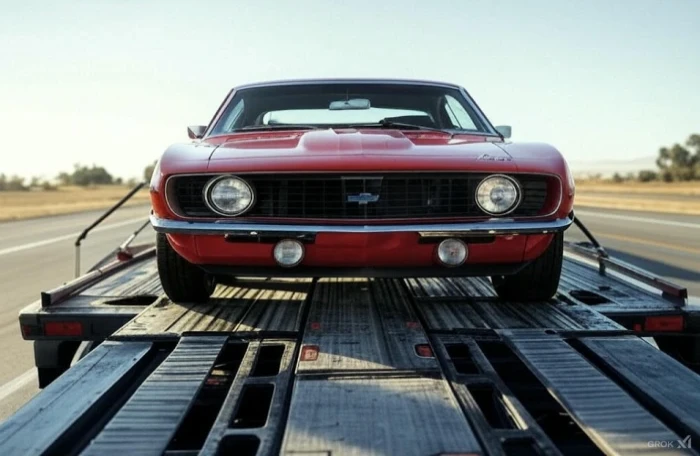
Winning an auction only completes part of the process. The vehicle still needs to be delivered to the buyer. Many buyers arrange transport through AmeriFreight Auto Transport, which is one of the best-reviewed in the industry. The company coordinates vehicle shipping using open or enclosed carriers.
Customers pay no upfront payment until they choose a carrier. Door-to-Door Service (Location Permitting) is available, subject to route access and local road conditions. Customer service agents help coordinate pickup and delivery while the vehicle travels to its destination.