

Is Carfax Worth It in 2026? Cost, Accuracy & Honest Review
Carfax remains the most recognized vehicle history report provider in the used car market. Its database contains more than 35 billion records gathered from over 151,000 sources across North America. That network includes more than 112,000 service and repair facilities, over 10,000 dealerships and auctions, thousands of insurance and law enforcement agencies, and dozens of state and federal data sources.
That reach gives buyers a deeper paper trail than most competing services. It does not make the report complete. Carfax can only show events that someone reported. Private repairs, small independent shops, and some rental fleet damage may never appear in the system. A clean report helps reduce risk. It does not prove a vehicle is problem-free.

Carfax 2026 Ratings Summary
This evaluation measures Carfax across the factors that most influence used car buyers when researching a vehicle history report. Scores reflect data coverage, pricing structure, usability, and the practical limits of reported vehicle history data.
Is Carfax Reliable and Accurate?
Carfax is reliable and works best as an early screening tool when you are evaluating a used vehicle. The report can reveal accident history, title issues, previous ownership changes, mileage inconsistencies, recall notices, and maintenance entries associated with the VIN.
Maintenance records can be particularly useful. The average vehicle age in the United States has reached about 12.8 years, so service history matters more than appearance when judging a car’s long-term condition. Consistent records for oil changes, tire rotations, and scheduled maintenance often suggest the vehicle received regular care.
The report also influences buyer behavior. Many shoppers use a clean Carfax report as the baseline requirement before they even schedule an inspection or test drive.
What Carfax Does Not Show
Carfax cannot show what nobody reported. If an accident was repaired privately without an insurance claim or a police report, it may never be entered into the database. Damage to rental vehicles can also go unreported if repairs are handled internally.
Timing can also affect the report. There can be a delay between when an event happens and when it appears in the system. A car that was recently damaged may still appear clean if the record has not yet been updated.
Vehicle history also does not reflect the current condition. A report can look perfect while the car still needs expensive maintenance. Data tied to vehicle maintenance patterns shows that many cars on the road are overdue for service, including oil changes, brake work, and tire rotations. That means the mechanical inspection still matters even when the history report looks strong.
Carfax vs. Alternatives: AutoCheck, VINCheck, and NMVTIS
The difference comes down to depth versus cost.
How Much Does a Carfax Report Cost in 2026?
The Carfax report price is considered at the premium end of the vehicle history market. A single report costs $44.99. The package pricing reduces the per-report cost when comparing several vehicles. A three-report bundle drops the price to roughly $21.66 per report, while the five-report package reduces it to about $19.99 each.
The price becomes more noticeable when compared with other history services. Carfax typically charges more than most alternatives, which makes buyers more selective about when they run a report.
Lower-priced options exist, but they often include less service history or a smaller data network. Some platforms emphasize auction data or title records instead of maintenance entries. Carfax remains stronger in service documentation and ownership tracking, which is why many buyers still use it for final verification before purchasing a vehicle.

Why Carfax Still Commands A Premium
Carfax’s strongest advantage is the depth of its service records. When a vehicle has been maintained within the reporting network, the report may show years of oil changes, scheduled maintenance visits, and repair entries.
That information can tell a clearer story about how the vehicle was treated. A long maintenance record suggests consistent care. Large gaps may indicate deferred maintenance or repairs performed outside the reporting network.
Carfax has also expanded its ecosystem with the Car Care mobile app, which allows vehicle owners to track maintenance, receive service reminders, and store repair receipts. The app has attracted tens of millions of users and helps add more service data to the Carfax system over time.

Risks Used Car Buyers Should Pay Attention To
Odometer fraud remains one of the most expensive risks in the used car market. Millions of vehicles on the road have experienced mileage rollbacks, and the financial impact can reach several thousand dollars per vehicle.
Recalls also remain a serious issue. Some vehicles still carry unresolved safety recalls that require manufacturer repairs. A vehicle history report can help identify open recalls, but buyers should confirm that recall work has actually been completed before finalizing a purchase.

Carfax Reviews: What Customers Say
Most buyers trust it, but not blindly.
Positive feedback usually centers on clarity. The reports are easy to read, and the accident summaries, ownership history, and service records help buyers feel more confident before committing. For many, it’s the quickest way to spot major red flags without digging through multiple sources.
The frustration shows up around cost and gaps. Paying around $45 for a single report feels steep, especially when comparing several cars. More importantly, some buyers realize too late that missing information doesn’t mean nothing happened. Unreported repairs, delayed updates, and incomplete service histories often come up in real-world experiences.
There’s also a pattern in how people use it. Buyers who treat Carfax as a screening tool tend to be satisfied. Those who expect it to confirm a car is problem-free are the ones who feel misled.
Best Situation to Use a Carfax Report
Carfax becomes most valuable when you are narrowing down your final vehicle choices. At that stage, the report can confirm title status, identify accident history, and verify the ownership timeline.
It is particularly helpful for private-party purchases, where buyers have less documentation and fewer protections than they would have with a dealership.
Running a report too early in the search can become expensive if you are still reviewing dozens of listings. Many buyers wait until they are seriously considering a specific vehicle before purchasing the report.
A Clean Carfax Should Not End Your Research
A clean report is a positive sign, but it should never be the only verification step. Review the accident history carefully. Look for patterns in the ownership timeline. Check that mileage readings increase steadily over time. Study the maintenance entries and look for long gaps between service visits.
Then schedule a pre-purchase inspection with a qualified mechanic. A professional inspection can identify structural damage, mechanical problems, or signs of poor repair work that a history report cannot detect.

Moving Your Vehicle After The Purchase
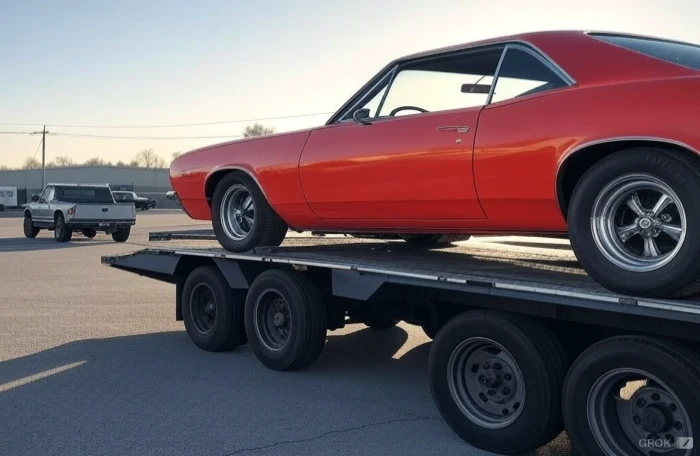
Finding the right car is only part of the process. Once you decide to buy, especially if the vehicle is located in another state, you still need a reliable way to bring it home. That step deserves the same level of caution as the purchase itself.
AmeriFreight Auto Transport has been helping customers move vehicles across the country for more than 20 years. Carrier vetting is a core part of the process. AmeriFreight Auto Transport reviews carrier safety records, insurance documentation, and operating authority before approving them for shipments.
Get your free, no obligation quote today.
Disclaimer
This article is provided for general informational purposes only and does not constitute legal, financial, or mechanical advice. Vehicle history reports, including those from Carfax, rely on reported data and may not include every accident, repair, or ownership detail. Always verify information independently and obtain a pre-purchase inspection from a qualified mechanic before buying a used vehicle. Pricing, features, and availability referenced in this article may change over time.