Common Luxury Car Transport Mistakes and How to Avoid Them for a Smooth Process
Aug 27, 2024
|
13
Min READ
Lila Claybourne
Lila Claybourne has been immersed in the auto shipping industry for over 12 years, gaining extensive experienc...
Lila Claybourne
Lila Claybourne has been immersed in the auto shipping industry for over 12 years, gaining extensive experience across various roles, including serving as a dispatch manager at a leading auto shipping brokerage. Her well-rounded understanding of the logistics and operations involved in vehicle transport, combined with a commitment to continuous learning, makes her uniquely equipped to provide expert insights into the ever-evolving world of auto shipping. Lila's passion for efficiency and innovation drives her to stay ahead of industry trends, ensuring that her knowledge is always fresh and relevant for readers seeking a seasoned perspective.
Luxury Car Transport Guide 2026: 10 Mistakes To Avoid
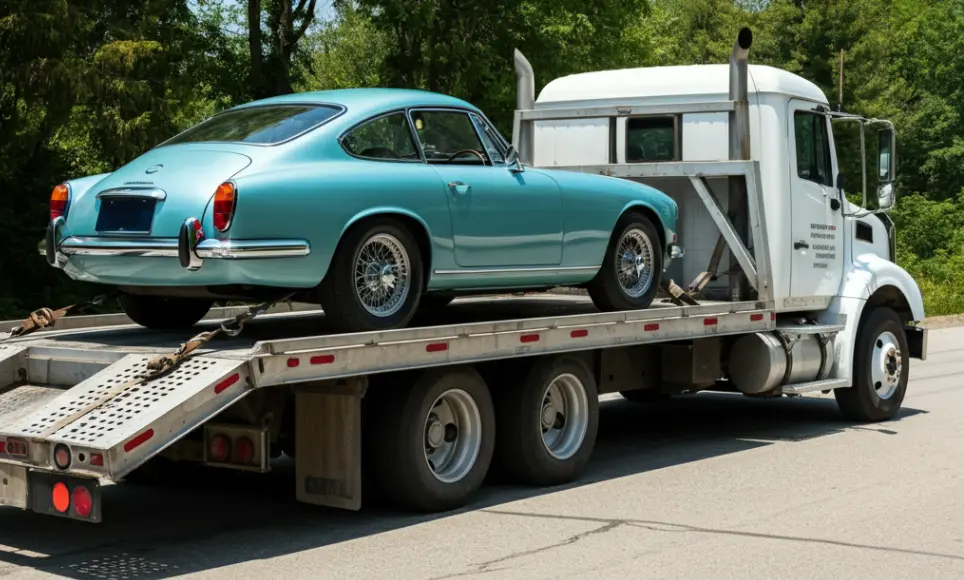
Transporting a high-end or vintage car isn’t only about moving a vehicle. It’s about protecting an investment. Whether you own a Lamborghini, a classic Porsche 911, or a brand-new Bentley, the wrong shipping decision can mean damage, stress, and unexpected costs.
Suppose you’re wondering how to keep your classic car safe during transport or what mistakes to avoid when booking. This guide has you covered. It combines expert advice and real-world tips to help you avoid common pitfalls when shipping a high-end vehicle.
What You’ll Learn
We’ll answer the following key questions:

Why does luxury car transport require specialized attention?
What are the common pitfalls when shipping a high-end vehicle?
How can you protect your vehicle’s value and condition?
Overview
Transporting luxury and exotic cars requires expert handling. Their high value and delicate finishes make careful planning essential. Choose methods that match your needs and vehicle type.
Here’s a quick overview of the ten common mistakes:

Neglecting Vehicle Inspections and Documentation: Take photos, record mileage, and document the car’s condition to prevent disputes.
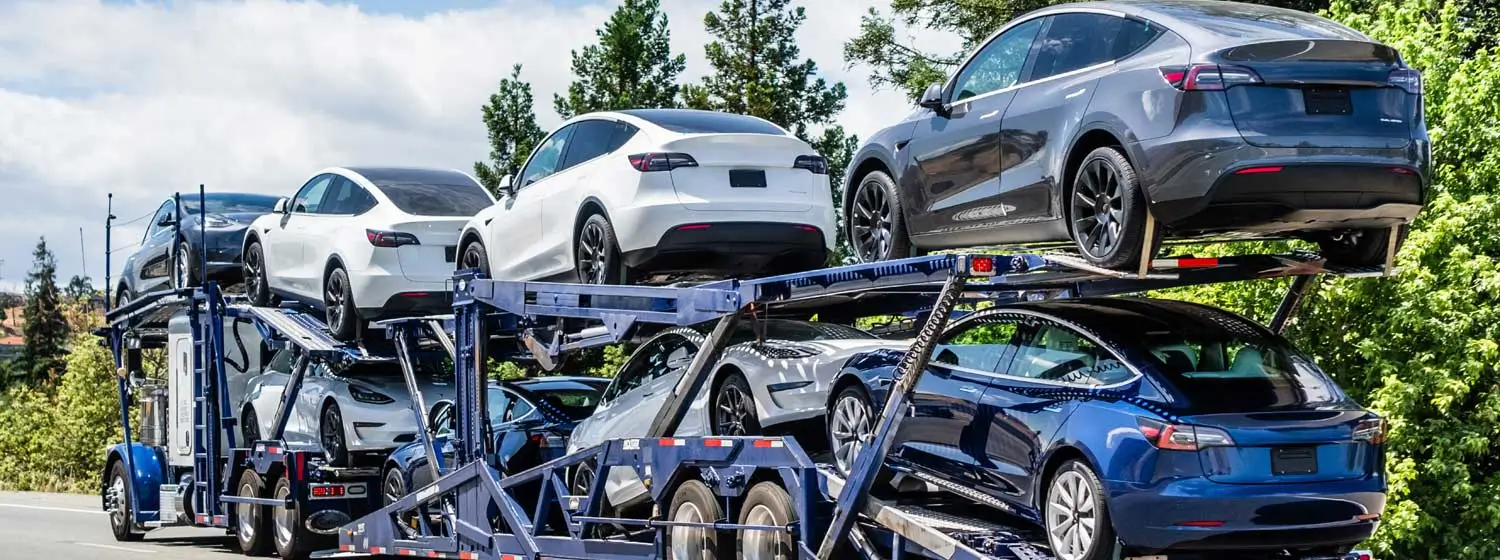
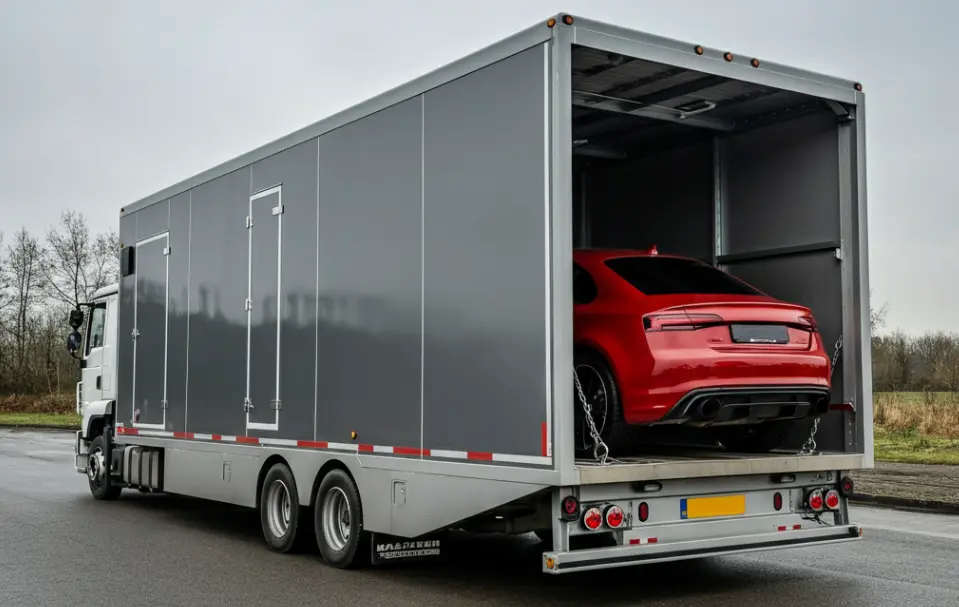
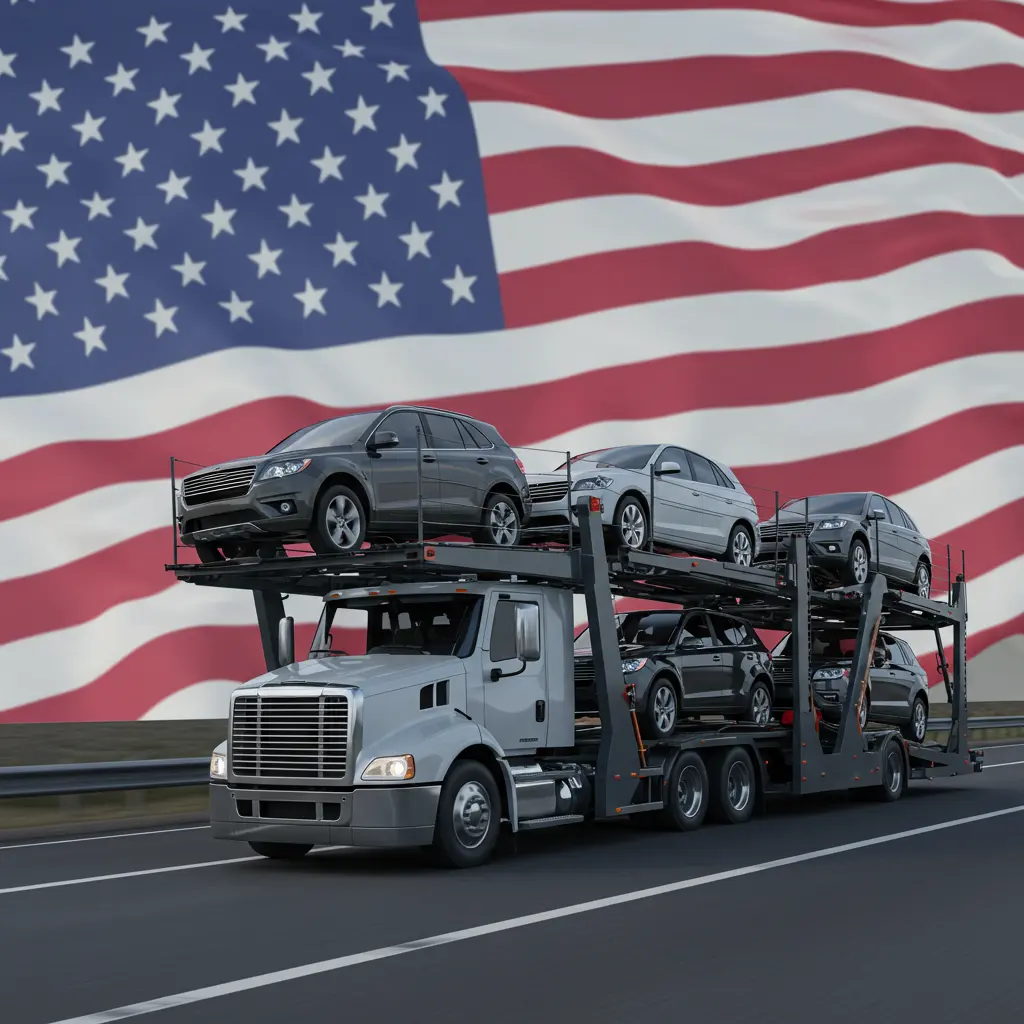
Choosing the Wrong Type of Transport: Open carriers are cheaper but riskier. Enclosed transport offers full protection from weather, debris, and theft.
Overlooking Luxury Auto Transport Insurance: Standard carrier coverage may not cover the full value of luxury or exotic vehicles. AmeriFreight can help you understand what to ask when verifying a carrier’s insurance details.
Ignoring Reputation and Experience: Pick licensed, insured companies with proven experience and strong reviews.
Not Understanding Auto Transport Broker vs Carrier Differences: Brokers offer more options. Carriers provide direct control. Choose based on your schedule and budget.
Failing to Prepare the Vehicle: Remove personal items, check fluids, disable alarms, and secure loose parts before pickup.
Getting Lured by Unrealistic Quotes: Cheap quotes often hide extra fees or poor service.
Poor Communication During Transit: Stay in touch with your carrier or broker for timely updates and fewer delays.
Forgetting to Address Force Majeure and Delay Clauses: Review delay policies for weather or other uncontrollable events.
Not Inspecting the Car on Delivery: Inspect the car upon arrival, compare it to pre-shipping photos, and note any damage on the Bill of Lading.
Why Luxury Car Transport Requires Extra Care
Luxury and exotic cars need special attention during transport. Their unique designs and high value make them more vulnerable to damage if mishandled. Even a small mistake can lead to costly repairs or disputes later on.
Here’s why they require extra care:
Low ground clearance: Increases the risk of scraping or underbody damage during loading.
High market value: Demands full insurance protection and experienced handling.
Limited-edition parts: Difficult and expensive to replace if damaged.
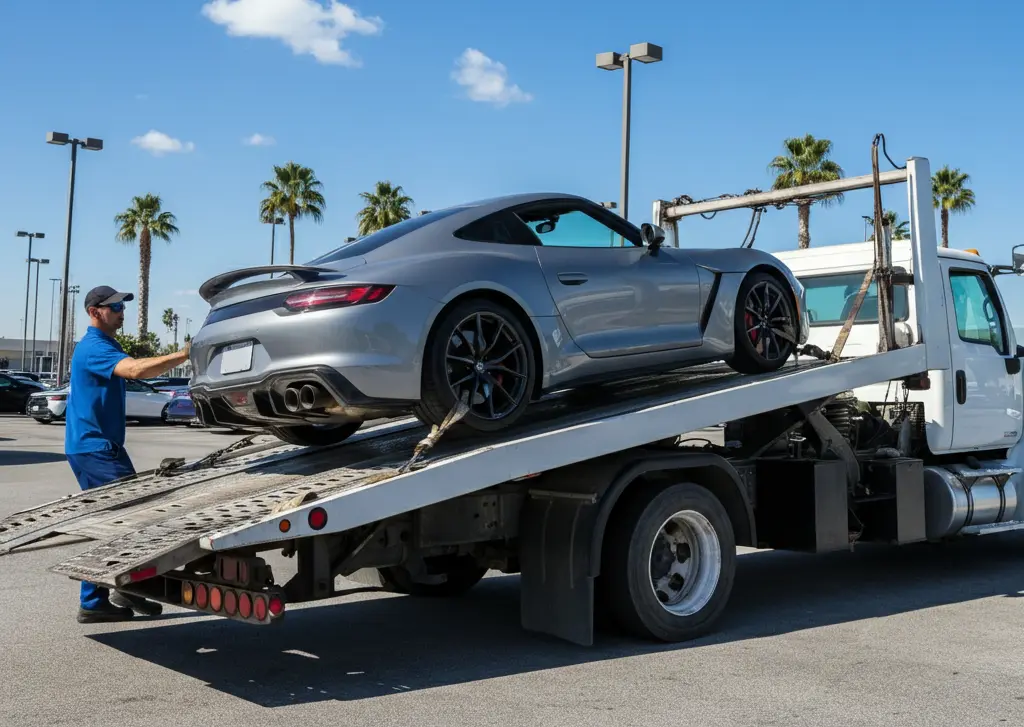
Delicate finishes: Require enclosed carriers and soft tie-downs to prevent scratches.
1. Neglecting Vehicle Inspections and Documentation
Before handing your car to a carrier, always perform a full inspection and document its condition. A detailed inspection protects you from disputes if damage occurs during transport. It also ensures the carrier acknowledges your vehicle’s pre-shipment state.
How to properly document car condition before shipping:
Wash the car thoroughly so scratches or dents are visible.
Photograph every angle, including the underbody, wheels, and interior.
Note odometer readings and any existing marks in a written checklist.
Have the driver sign the bill of lading (BoL) confirming the vehicle’s condition at pickup and again at delivery.
2. Choosing the Wrong Type of Transport
Many owners choose open transport because it’s cheaper, but for exotic or luxury cars, it’s not worth the risk.
Type of Transport
Pros
Cons
Open Transport
Lower cost
Easier to schedule
Widely available
Exposes the car to weather, road debris, and dust
No protection from public view
Higher risk of minor damage
Not ideal for high-value or exotic cars
Enclosed Transport
Full protection from weather and debris
Safer for low-clearance or vintage cars
Reduced theft and vandalism risk
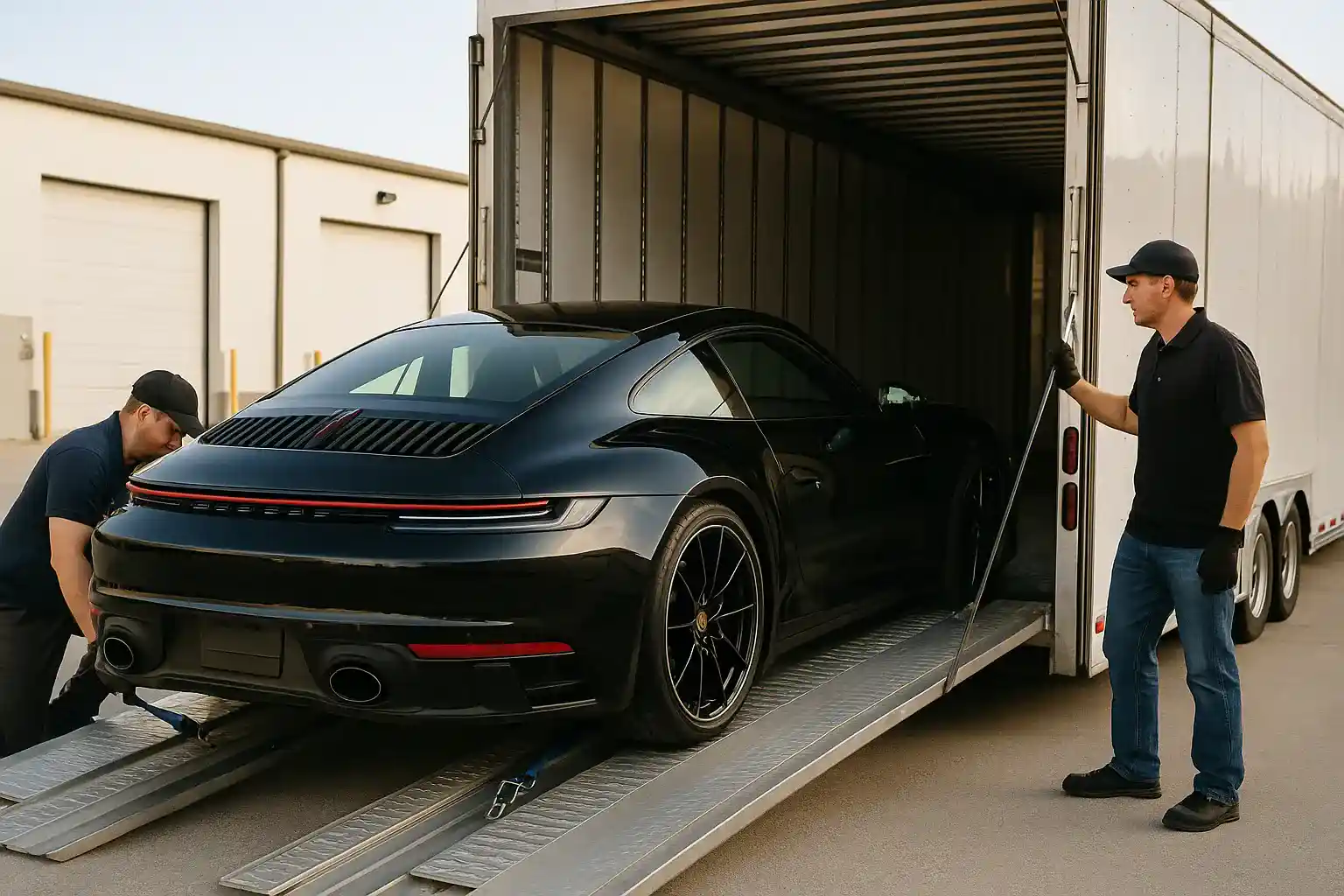
Often includes liftgate loading and soft tie-downs
More expensive
Fewer carriers available
It may take longer to schedule during busy seasons
Pro Tip: For luxury and exotic vehicles, enclosed transport is the best choice. The added protection and care far outweigh the extra cost.
3. Overlooking Luxury Auto Transport Insurance
Insurance coverage is often misunderstood. Many assume standard carrier liability is enough, but it isn't.
Here’s what you need to do:
Verify the carrier’s cargo insurance covers loading, unloading, and full vehicle value.
Request a certificate of insurance (COI) with coverage limits clearly listed.
Consider supplemental insurance if your car’s value exceeds the carrier’s standard policy.
Ask about exclusions (glass, undercarriage, aftermarket parts).
Pro Tip: Coverage should equal or exceed the car’s current appraised market value.
4. Ignoring Reputation and Experience
Not every company advertising “exotic car shipping” has the experience or equipment to back it up. The most efficient services come from companies with long track records and transparent communication.
Questions to ask an exotic car shipper before hiring
How many years have you handled high-end vehicles?
Do you use enclosed carriers or subcontractors?
Can I see proof of licensing and insurance?
What’s your process for documenting vehicle conditions?
What’s your claim resolution time if something goes wrong?
How to research a carrier or broker’s reputation
Check customer reviews on sites like Google, BBB, and Trustpilot.
Verify licensing and insurance using the DOT and MC numbers through the FMCSA website.
Look for experience handling luxury or exotic vehicles specifically.
Ask about documentation processes like inspection reports and the bill of lading.
Understand their claims process in case issues arise during transport.
AmeriFreight’s Proven Experience
For more than 20 years, AmeriFreight Auto Transport has specialized in arranging luxury and exotic vehicle shipments with precision and care. We work with carefully vetted, fully licensed, and insured carriers to meet the highest safety standards.
5. Not Understanding Auto Transport Broker vs Carrier Differences
Both brokers and carriers play roles in luxury car shipping, but each has pros and cons. Here’s how they compare:
Broker: Wider network, faster availability, often competitive pricing. Requires vetting to ensure carriers meet AmeriFreight standards.
Carrier: Direct control over the vehicle and driver. Fewer middlemen, but limited route availability.
When deciding between a broker and a carrier, it’s important to choose the option that best fits your needs. The right choice depends on your schedule, budget, and comfort level. Evaluate your priorities before booking to ensure a smooth, stress-free experience.
6. Failing to Prepare the Vehicle
Skipping basic prep can cause mechanical or cosmetic issues.
Checklist before pickup:
Remove all personal items. DOT regulations prohibit the transport of personal items inside the vehicle.
Leave the gas tank about one-quarter full.
Check tire pressure and fluid levels.
Disable alarms to avoid battery drain.
Fold mirrors and secure convertible tops.
These steps reduce the risks of damage and delays.
7. Getting Lured by Unrealistic Quotes
Choosing a quote from a carrier that seems too low can cause more problems than savings. Here’s why:
Hidden fees often appear after booking, increasing your final cost.
Cheap carriers may skip proper insurance or safety measures.
Poor communication and delayed updates can cause unnecessary stress.
Inexperienced or unlicensed drivers may mishandle your luxury vehicle.
Some low offers are scams designed to collect deposits without delivering the service promised.
Always research the company, verify credentials, and read reviews before committing. Paying a fair price ensures your vehicle is shipped safely and on time.
Lack of communication is one of the most common pitfalls when shipping a high-end vehicle. Clear coordination ensures smooth pickup and delivery, avoids storage fees, and provides peace of mind.
To maintain open communication, you should stay in direct contact with your carrier (driver/trucking company). Reliable carriers provide their contact information and updates directly to you.
How AmeriFreight Supports Communication
AmeriFreight, acting as your broker, helps facilitate this crucial line of communication:
Initial Handoff: After booking, AmeriFreight quickly provides the driver’s name and phone number. This lets you coordinate pickup and delivery directly.
Conflict Resolution: If issues arise during transit, your AmeriFreight advisor can assist by contacting the carrier’s dispatcher to help resolve scheduling challenges.
Accountability: AmeriFreight works only with vetted carriers who meet strict communication standards. This helps ensure professionalism, reliability, and a smooth shipping experience.
9. Forgetting to Address Force Majeure and Delay Clauses
Many luxury car owners overlook the fine print about situations beyond the carrier’s control. Ignoring these details can lead to unexpected costs and frustration if delays occur.
A Force Majeure clause protects the carrier from being held liable for delays or damages caused by events they cannot prevent, including:
Severe weather like hurricanes, floods, or blizzards
Civil unrest or labor strikes
Road closures or natural disasters
Government restrictions or border delays
If your high-end vehicle is delayed because of one of these events, the carrier usually isn’t responsible for missed delivery dates or storage fees.
Before booking, review the carrier’s terms carefully. Ask about delivery options for time-sensitive shipments. Paying a little extra for this protection can save you from stress and added costs later.
10. Not Inspecting the Car on Delivery
Use this quick checklist when your vehicle arrives:
Inspect the car thoroughly before signing the bill of lading (BoL).
Compare the vehicle’s condition with your pre-shipping photos and notes.
Check for any new scratches, dents, or paint damage.
Look closely at wheels, mirrors, glass, and bumpers.
Document any new damage with clear, dated photos.
Write all issues on the BoL before signing.
Have the driver acknowledge and sign any noted damage.
Report issues to your broker or carrier immediately to start the claim process.
Final Thoughts: Ship Smart, Ship Safe
Luxury car transport doesn’t have to be stressful. Knowing the common mistakes to avoid when shipping a car and what to prioritize makes all the difference. Focus on inspection, documentation, insurance, and communication. These steps protect your vehicle, your peace of mind, and your wallet.
Protect Your Investment With Confidence
For more than 20 years, AmeriFreight Auto Transport has helped luxury car owners ship their vehicles safely and securely. We work with a carefully vetted network of licensed, insured carriers. Our team supports you with expert guidance, clear communication, and flexible shipping options.
What are the biggest mistakes people make with vehicle shipping quotes?
Choosing the cheapest quote is the most common mistake. Low offers often hide extra fees, cause delays, or lead to poor service.
How to ensure my classic car is safe during transport?
Use enclosed transport for full protection. Confirm the carrier’s insurance covers your car’s total value. Ask about soft tie-downs and liftgate loading for safer handling.
What not to do when booking car transport?
Don’t skip a detailed inspection before shipping. Avoid open transport for luxury or vintage cars. Never sign the Bill of Lading until you’ve checked the car carefully at delivery.
How to properly document car conditions before shipping?
Wash the vehicle so all details are visible. Take clear, time-stamped photos from every angle, including the underbody. Note any marks and have the driver sign the Bill of Lading confirming the condition.
Start your free quote
2
3
Related Posts
Ready to get an estimate from AmeriFreight Auto Transport? Call us at (770) 486-1010