


Shipping a vehicle without documenting its condition first can create unnecessary problems if damage appears during transport. Photos and video give you a clear, time-stamped record of the car’s condition before pickup, which helps support the Bill of Lading and makes it easier to identify what changed between pickup and delivery.
Under the federal Carmack Amendment, carriers may be held liable for damage that happens while the vehicle is in their care, custody, and control. However, claims often depend on proving the vehicle’s condition before transport began. Clear documentation helps establish that baseline and reduces disputes later in the process.
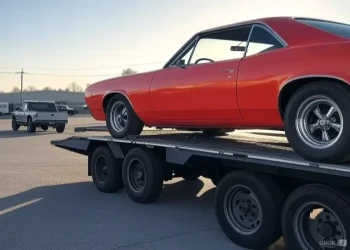
Although most vehicles arrive without major issues, transport still involves exposure to road debris, weather conditions, loading ramps, and tight trailer spacing. Minor scratches, chipped paint, or cracked trim can happen during loading and unloading, which industry data identifies as one of the most sensitive stages of vehicle transport.
Taking a few extra minutes before pickup gives you stronger protection if questions come up later.

Why The Bill Of Lading Needs Photo Support
The Bill of Lading is the official transport document used throughout the auto shipping industry. It records pickup and delivery details, identifies the vehicle by VIN, and notes visible damage before the carrier takes possession. Federal regulations require carriers to issue this document for interstate shipments. Still, written notes alone do not always capture the full condition of a vehicle.
A brief note about a scratch or dent can leave room for disagreement later, especially if the mark is small or located in a difficult area. High-resolution photos provide visual proof that removes much of that uncertainty.
Instead of relying on memory or handwritten diagrams, both parties can compare the vehicle directly against documented images taken before shipping. This becomes especially important if you need to file a damage claim after delivery.
Preparing The Vehicle Before Pickup
A clean vehicle makes inspections far more accurate. Dirt, dust, and road grime can hide scratches, chips, and shallow dents that become obvious only after the car reaches its destination.
For the best results, wash the exterior before the driver arrives and inspect the vehicle in natural daylight. Open shade usually works best because it reduces glare while still showing surface imperfections clearly.
Inside the vehicle, remove loose personal belongings and clear unnecessary items from the trunk. Carriers are generally not responsible for unsecured personal items left inside the vehicle, and clutter can interfere with interior inspections. Before pickup, it also helps to:
Leave the fuel level around one-quarter tank
Disable toll tags and parking passes
Turn off alarms
Fold side mirrors when possible
Remove detachable accessories like roof racks
Check for fluid leaks or dashboard warning lights
These steps help reduce delays during loading and prevent avoidable transport complications.
What Your Photos Should Include
Start with complete walk-around coverage of the vehicle. Take photos of the front, rear, both sides, and all four corner angles before moving closer to individual areas.
After the wide shots, photograph:
Wheels and tires
Bumpers
Mirrors
Headlights and taillights
Windshield and windows
Hood and roof
Rocker panels below the doors
Trunk or tailgate
Dashboard and interior seats
Odometer and fuel gauge
VIN plate near the windshield or door jamb
Professional inspections often follow a consistent circular pattern around the vehicle so no panel gets missed during documentation.
Existing damage deserves extra attention. Take one wide photo to show the location of the flaw, then follow with medium and close-up shots. Including a key or coin for scale can help show the size of scratches or dents more clearly.
Avoid digital zoom whenever possible. Moving closer produces sharper images that hold up better during claim reviews.
Why Video Adds Valuable Context
Photos capture detail well, but video helps show the vehicle’s overall condition in a more natural way. A slow walk-around video can reveal shallow dents, panel alignment issues, and paint imperfections that static images sometimes miss under certain lighting conditions.
Video also allows you to document operational condition before shipping. Recording the engine running, dashboard lights, power windows, or sunroof movement creates additional proof that the vehicle was functioning properly before transport began.
Keep the video simple and steady. Walk slowly around the vehicle while briefly narrating existing damage or problem areas. If possible, record part of the loading and securement process as well.
Many professional carriers document loading independently, but having your own footage gives you an additional layer of protection.
Organized Documentation Makes Claims Easier
Claims often come down to timing and clarity. If damage appears at delivery, carriers and insurers will compare the delivery inspection against your pre-shipping documentation to determine whether the issue existed beforehand.
Strong records usually include:
Date-stamped images
Wide-angle and close-up photos
Consistent lighting
Visible VIN confirmation
Clearly labeled files
Cloud storage adds another layer of protection by preserving time-stamped backups if your device is lost or damaged during travel.
Simple file names also make reviews easier later:
2026-05-08_front
2026-05-08_driver-side
2026-05-08_rear-quarter
That level of organization can save time if repair estimates, insurance reviews, or carrier investigations become necessary.
Inspecting The Vehicle At Delivery
Do not rush through the delivery inspection, even if the driver is on a tight schedule. Walk around the vehicle carefully while the driver is still present and compare the condition against your original photos and video.
Pay close attention to areas that are commonly exposed during loading and transport, including:
Lower bumper edges
Wheels
Side mirrors
Roofline edges
Windshield corners
Front spoilers
Rocker panels
If you notice new damage, photograph it immediately and record a short video clip showing the issue from multiple angles. Then document the damage clearly on the Bill of Lading before signing anything.
Most carriers require damage concerns to be reported quickly after delivery, so delaying the inspection can complicate the claims process.
Why Thorough Documentation Protects Everyone Involved

Detailed inspections benefit both vehicle owners and carriers. Customers gain stronger protection if damage occurs, while carriers can defend themselves against inaccurate or exaggerated claims.
As a result, many transport companies now use digital inspection platforms, timestamped photos, and AI-assisted damage coding systems tied directly to electronic Bills of Lading.
Even with newer technology entering the industry, the basics remain the same. A clean vehicle, a careful inspection, and complete photo and video documentation still provide the strongest protection before transport begins.
A Simple Checklist Before Pickup
Before handing over your keys:
Wash the vehicle exterior
Remove personal belongings
Photograph every side and corner
Capture close-ups of existing damage
Record the odometer and fuel level
Photograph the VIN plate
Take a slow walk-around video
Save copies to cloud storage
Label files by date and vehicle angle
Spending a few extra minutes on documentation before pickup can prevent far larger problems later.


.webp)

.webp)