
 Call Us:
  Email Us:

Choose Electric Motorcycles
Electric motorcycles have shifted from niche products to a real segment of everyday transportation. The International Energy Agency notes that more than 9% of the global two and three-wheeler fleet is electric, which makes this category the most electrified part of road transport today.
This growth tracks with what riders see on the ground. Battery tech improved, cities tightened emissions rules, and fuel prices stayed unpredictable. Electric motorcycles now compete on cost and usability, not just environmental appeal.
Cleaner Air Where It Matters Most
Electric motorcycles produce zero tailpipe emissions, which means no carbon monoxide, nitrogen oxides, or particulate matter coming out of an exhaust pipe in traffic. In dense areas, that is the point. It directly affects air quality where people live and commute.
A fair comparison also looks at lifecycle emissions. Battery production carries an upfront carbon cost, but many analyses find that the initial impact is typically offset after a period of real-world use, then the cleaner operation takes over. If you want a practical breakdown of how that tradeoff works for motorcycles, this overview lays it out clearly.
The grid matters too. Charging on a cleaner grid improves the benefit, charging on a fossil-heavy grid reduces it, but the direction is generally consistent. Electric motorcycles tend to come out ahead over time when you compare total emissions instead of only what happens on the road.

Operating Costs Usually Favor Electric Power
Many electric motorcycles cost more upfront. The long-term math depends on how much you ride, where you charge, and what gas costs in your area. When you ride regularly, energy and maintenance often swing the total cost of ownership in favor of electric.
A common range used in cost comparisons puts energy cost per mile around $0.03 to $0.05 for electric motorcycles versus $0.15 to $0.30 for gasoline bikes, depending on local electricity and fuel prices. Maintenance tends to be lower as well, largely due to mechanical simplicity. Electric drivetrains remove oil changes, many routine engine services, and several wear items tied to combustion systems.
If you want a broader, real-world signal on maintenance, Consumer Reports has found EV owners spending about half as much on maintenance compared to gas vehicles overall, which aligns with the fewer-parts reality of electric powertrains.
Instant Torque Feels Different on the Road
Electric motors deliver torque immediately from zero RPM. In traffic, that means smooth pull-away from stops and confident acceleration without waiting for an engine to build power. It is a performance trait that shows up in daily riding, not just on spec sheets.

Electric motorcycle powertrains often use brushless motor designs and tightly controlled electronics to manage traction and power delivery at very short time intervals. Research on high-performance electric motorcycle systems highlights how much of the ride quality depends on control electronics, drivetrain losses, and torque management under load.
Quieter Streets, Less Fatigue for Riders
Gas motorcycles are loud, and the noise adds up. Noise exposure can affect stress and quality of life, especially in dense neighborhoods. Electric motorcycles operate at lower sound levels, which reduces urban noise pollution, while still meeting pedestrian safety expectations in places that require low-speed alert sounds.
For riders, the quieter drivetrain and reduced vibration can make commuting less tiring, especially in stop-and-go traffic.
Charging Is Easier Than It Used to Be
Most riders charge at home. A standard outlet can work for many bikes, while dedicated chargers and public fast chargers reduce downtime. Range varies by model and riding conditions, but many modern electric motorcycles are designed around practical commuting distances rather than short demonstration runs.
Battery technology is also evolving. Industry reporting highlights ongoing shifts in battery chemistry and cost trends, which is a big reason more capable electric motorcycles are entering the market each year.
In cities where home charging is difficult, battery swapping is becoming a serious alternative. The model is simple, you swap a depleted battery for a charged one in minutes. Standardization is the hard part, and that work is underway through industry efforts and formal safety standards.
Electric Two-Wheelers Help Cities Move
Two-wheelers already reduce congestion by taking up less space than cars. Electrifying them adds a clean-air and noise benefit without changing the footprint advantage.
Research from the National Science Foundation and Georgia Tech found that micromobility options such as e-scooters and e-bikes can reduce travel time for all drivers in a city by measurable amounts, with one study reporting an average 17.4 percent travel time savings when micromobility infrastructure is used effectively.
Complementary research also discusses how shared electric scooters and bikes can reduce traffic in dense urban centers. The takeaway for riders is practical. Cities that want cleaner, faster movement are building policies around small electric vehicles, and motorcycles fit naturally into that shift.
Incentives Exist, but Deadlines Matter
Incentives have helped narrow the upfront price gap, but programs change. In the United States, federal guidance for qualified two or three-wheeled plug-in electric vehicles has been handled under specific IRS rules, including eligibility requirements tied to speed and battery capacity.
Policy timelines matter as well. IRS guidance tied to the 2025 legislation commonly referenced as the One Big Beautiful Bill describes changes and terminations for several clean vehicle credits, with key dates tied to acquisition definitions and contract timing.
State and local programs can still apply. California has published guidance on zero-emission motorcycle incentives and related purchase programs, although availability and funding levels can change over time.
For broader incentive tracking, the Alternative Fuels Data Center maintains a regularly updated database. Charging equipment incentives have their own rules and timelines as well.
The Market Momentum Is Global
Electric two-wheelers are already a major part of the global EV story. The IEA reports global sales of electric two and three-wheelers around 10 million units in 2024, roughly 15 percent of the total market, with China accounting for a large share of those sales. The same reporting highlights how growth is shifting toward India and Southeast Asia as markets and manufacturing capacity expand.
For a readable synthesis of the IEA outlook, including the regional dynamics behind adoption, this summary is a useful companion piece. BloombergNEF also tracks adoption trends and market drivers across regions, which helps frame where growth is accelerating and why.
Transporting an Electric Motorcycle
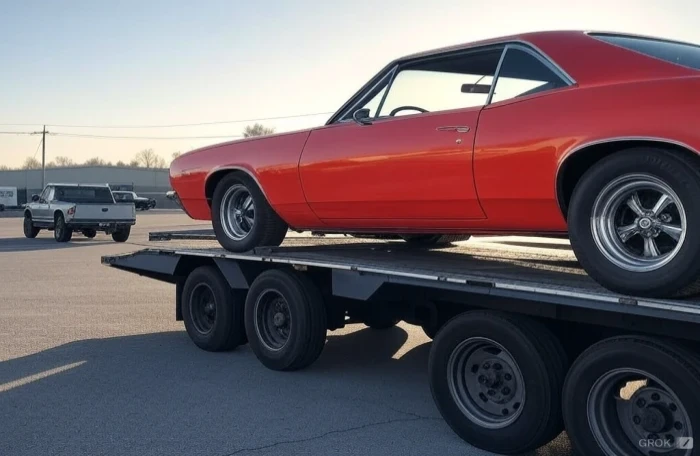
Riders often need shipping when they buy a motorcycle out of state, relocate, or move seasonally. AmeriFreight Auto Transport arranges motorcycle shipping through a network of licensed carriers. Customer service agents coordinate pickup scheduling, carrier assignment, and delivery communication throughout the process.
Optional gap protection plans are available for customers who want additional coverage during transit. Request a quote now!