
Get up to 50% OFF Auto Transport! Follow us on social media for an extra $20 OFF – just show proof to qualify.

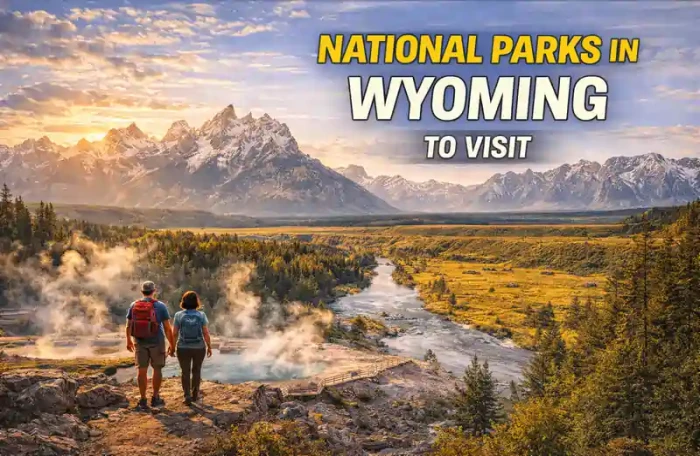
National Parks in Wyoming to Visit

 national parks in wyoming

National parks in Wyoming can take you from erupting geysers to jagged mountain peaks in a single trip. You might start a morning watching steam rise off a boardwalk. A few hours later, you could be looking at the Tetons glowing in early light.

Yellowstone alone has more than 10,000 hydrothermal features, including more than 500 geysers. That scale is hard to grasp until you stand next to it. It also means you can lose a lot of time if you show up without a plan. Crowds build fast at famous stops. Drives inside the parks can take longer than you expect.

This guide helps you experience the best of the national parks in Wyoming without wasting time or missing key sights.

Sneak Peek

  • Key details, fast facts, trivia, and a little history behind Wyoming’s national parks (and why they are famous)

  • The best things to do in each park, plus practical tips for visiting (timing, wildlife safety, roads, and “do this first” priorities)

  • Other National Park Service sites in Wyoming that are worth adding to your route if you have extra time

Overview 

Wyoming is home to two world-famous national parks, Yellowstone and Grand Teton, that offer dramatically different experiences, from geothermal wonders to stunning mountain peaks; the best park to focus on depends on your interest in long drives and geysers versus sharp mountain views and easy access.


Here's a more detailed breakdown:


Major Park Focus: Yellowstone National Park

  • Key Aspect: Known for being the world's first national park, its massive size, and its dynamic geothermal features, including over 500 geysers like Old Faithful.

Major Park Focus: Grand Teton National Park

  • Key Aspect: Defined by its sudden, sharp mountain peaks, clear lakes, and its more concentrated size, which makes it easier to navigate in shorter segments.

Planning Your Visit: Trip Logistics and Safety

  • Key Aspect: Success depends on realistic daily goals, allowing for slow travel times, planning fuel stops, and following strict rules like staying on boardwalks in thermal areas.

Park Activities and Experiences

  • Key Aspect: Activities range from exploring geyser basins and watching wildlife safely with binoculars to driving scenic routes and choosing one main hike per day.

Other Notable NPS Sites

  • Devils Tower National Monument: A dramatic, isolated rock formation perfect for short hikes, photography, and quick family stops.

  • Fossil Butte National Monument: Protects a rich fossil record from an ancient lake, offering an excellent opportunity for educational visits and natural history exhibits.

  • Fort Laramie National Historic Site: A historical fort that played a key role in U.S. frontier history and westward travel, ideal for history-focused travelers who enjoy walkable sites.

National Parks In Wyoming At A Glance

Wyoming is home to two major national parks that draw visitors from around the world. Each park offers a different type of landscape and a different pace, which is why many trips include both.

Yellowstone National Park is the larger of the two. It sits mostly in Wyoming, but parts extend into Montana and Idaho. The park is known for geysers, hot springs, waterfalls, and wide valleys filled with wildlife. Roads form large loops, so driving time inside the park often takes longer than expected.

Grand Teton National Park lies entirely in Wyoming, just south of Yellowstone. It is smaller, easier to move through, and focused on sharp mountain peaks, clear lakes, and scenic pullouts. Many visitors base themselves near Jackson and explore the park in shorter segments.

Yellowstone National Park

Yellowstone National Park is often the first stop people think of when they plan a trip to  Wyoming national parks. It is massive, it crosses state lines, and it packs a lot into one place. Most of the park sits in Wyoming, but sections extend into Montana and Idaho. That broad footprint matters because it affects drive times, route planning, and where you base your trip.

Why Yellowstone Is Historically Important

Yellowstone became the world’s first national park in 1872, which shaped how the United States protects public lands. That history still shows up in how the park manages fragile thermal areas, wildlife habitat, and visitor access. When you walk the boardwalks or see closed areas near geysers, you are seeing conservation rules designed to protect a rare landscape.

Yellowstone Fast Facts And Trivia

Yellowstone is not a museum display. It is a living thermal system, and the park’s geothermal landscape changes over time. The National Park Service notes Yellowstone has more than 10,000 hydrothermal features, including more than 500 geysers. Those numbers help explain why planning matters. If you try to “see it all,” you can spend most of your day driving and still feel like you missed the best parts.

It also helps to know that geyser activity is not fixed forever. Some features become quieter, and others become more active due to shifting underground conditions. That is why you should treat any geyser schedule as a guide, then stay flexible on the ground.

Predictable Geysers Besides Old Faithful

Old Faithful is famous, but it is not the only geyser you can time. The National Park Service publishes prediction windows for several geysers, which can help you plan a walk around eruption times instead of guessing. This is one of the simplest ways to avoid wasted steps and backtracking across the same boardwalks.

A practical approach works well for most visitors. Check the prediction page the same morning, then pick one geyser basin as your main focus for that part of the day. Build extra time for crowds, photos, and slow walking, because those factors affect your timing more than you expect.

Top Things To Do In Yellowstone

Yellowstone works best when you group activities by type instead of bouncing across the park. This keeps drive time realistic and helps you stay focused on what matters most that day.

  • Explore geyser basins and thermal areas

    • Plan at least one longer walk through a major geyser basin.

    • Smaller features often sit just off the main boardwalks and reward slower pacing.

  • Visit waterfalls and scenic viewpoints

    • Waterfall stops at Yellowstone Falls break up thermal areas and help spread crowds.

    • These stops often require less walking and fit well into mid-day plans.

  • Go hiking based on time and comfort

    • Choose one primary hike per day rather than squeezing in several short ones.

    • Early starts mean cooler temperatures and lighter foot traffic.

  • Watch for wildlife safely

    • Wildlife sightings follow no schedule, so allow flexible time windows.

    • Bring binoculars so you can observe animals from a safe distance.

    • Follow posted guidance to protect both people and wildlife.

  • Use scenic drives wisely

    • Scenic roads take longer than they appear on a map.

    • Build buffer time for traffic, pullouts, and wildlife slowdowns.

Visiting Tips And Safety Basics

Yellowstone’s rules exist to protect visitors and fragile landscapes. When you know them ahead of time, your visit feels smoother and safer.

6asoNMAAAAGSURBVAMAK5VtSnzThC4AAAAASUVORK5CYII=


  • Stay on boardwalks in thermal areas

    • Ground near geysers and hot springs can be unstable and dangerous.

  • Follow wildlife distance guidelines

    • Never approach or surround animals.

    • Do not stop in unsafe road areas during wildlife sightings.

  • Check seasonal road access

    • Roads and entrances open and close throughout the year.

    • Verify current status before setting daily routes.

  • Plan fuel and food stops

    • Services are limited in some areas of the park.

    • Fill up and restock before long driving loops.

  • Expect slower travel times

    • Speed limits are low for safety and wildlife protection.

    • Build realistic daily goals to avoid rushing.

Yellowstone Backcountry Permits And Trip Planning

If you want to hike beyond day-use areas and sleep out on the trail, Yellowstone’s backcountry system changes how you plan. You need to match your route to designated backcountry campsites, and you also need to follow the park’s permit process, which works differently from casual campground travel.

What A Backcountry Permit Covers

A backcountry permit is tied to where you will camp and when you will be there. It is not a general “backcountry pass” that lets you camp anywhere you like. Yellowstone requires permits for backcountry overnight trips, and the permit is built around an itinerary that lists your campsites.

  • Permits apply to overnight backcountry camping

    • If you plan to sleep in the backcountry, you need a permit tied to your campsites.

  • Day hiking is a different situation

    • Many day hikes do not require a backcountry permit, but rules can vary by area and conditions.

    • Checking the latest park guidance before you go can prevent surprises.

  • Your itinerary matters

    • Campsites can fill, and some routes depend on limited site availability.

    • Your plan works best when you stay flexible with distance and campsite choices.

Short-Notice Permit Reality

Short-notice permits can work, but they depend on what is open. If you are aiming for a specific corridor or popular zone, you may need a backup plan ready.

  • Pick-up timing can support last-minute planning

    • In peak season, you can pick up a permit up to two days before your trip start date.

  • Availability is the main limit

    • If the campsites you need are taken, you may not be able to run your exact route.

    • A shorter route or a different trail segment can still give you a strong experience.

  • A smart Plan B keeps your trip on track

    • Keep one “frontcountry plus day hikes” option ready if campsites do not line up.

    • If your main goal is scenery, you can still get a full day with overlooks and hikes without an overnight stay.

Grand Teton National Park

Grand Teton National Park gives you a different kind of Wyoming experience than Yellowstone. You trade steaming basins and geyser forecasts for sharp mountain peaks, calm water, and scenic pullouts that feel close together. The park also sits right next to Jackson Hole, which makes it easier to base your trip and build short, high-impact days.

What Makes Grand Teton Unique

Grand Teton stands out because the mountains rise fast and look close from many viewpoints. The park protects the Tetons, lakes, wildlife habitat, and a long human history tied to Jackson Hole. This mix makes it a great match for travelers who want big scenery without the long internal drives that Yellowstone often requires.

Best Things To Do In Grand Teton

Grand Teton feels simple when you plan around views, water, and a few hikes that fit your time.

  • Drive the main scenic routes

    • Use pullouts to get wide views without long walks.

    • Stop early for softer light and fewer cars.

  • Visit iconic viewpoints and lake areas

    • Focus on a few key stops instead of chasing every overlook in the Wyoming mountains.

    • Build time for parking, photos, and short shoreline walks.

  • Hike one main trail per day

    • Pick a hike that matches your group’s pace and comfort.

    • Start early so you avoid heat and heavier foot traffic.

  • Watch wildlife with safe spacing

    • Carry binoculars if you have them, so you can stay back.

    • Follow posted rules and ranger direction.

  • Plan for quick wins and slower moments

    • Mix one longer activity with shorter stops.

    • This keeps the day steady and avoids burnout.

Photographing Schwabacher Landing

Schwabacher Landing is famous for reflection photos, but conditions matter more than gear. The National Park Service recommends early morning for the best reflections, since calm water gives the clearest mirror effect.

If you want the most reliable results, plan for sunrise and watch the wind. You can get great reflections in many seasons, but calm mornings tend to be more consistent in late summer and early fall. Those months often bring crisp light and fewer weather swings than spring storms. You still need flexibility, since one breezy morning can erase reflections.

Grand Teton Visiting Tips

A few simple habits can make Grand Teton feel calmer, even during busy travel months.

  • Know that entry is straightforward

    • Grand Teton does not use timed entry or entrance reservations.

    • You still should arrive early to avoid parking stress.

  • Expect crowds at famous pullouts

    • Plan your top viewpoints for early morning or later evening.

    • Use midday for a hike that starts away from the busiest lots.

  • Pack for fast weather changes

    • Temperatures can shift quickly near the mountains.

    • Bring layers and rain protection, even on sunny forecasts.

Other National Park Service Sites In Wyoming

If you have extra time after Yellowstone and Grand Teton, Wyoming has several other National Park Service sites that add depth to your trip. These locations work well as half-day stops or as focused visits if history or geology interests you.

    • Why go: Devils Tower rises sharply from the plains and stands as one of the most recognizable landmarks in the region.

    • Best for: Short hikes, photography, and families looking for a memorable stop without a long time commitment.

    • Why go: This site protects a rich fossil record from an ancient lake environment.

    • Best for: Educational visits, exhibits, and travelers interested in natural history.

    • Why go: Fort Laramie played a major role in westward travel routes and U.S. frontier history.

    • Best for: History-focused travelers and families who want a walkable site with clear interpretation.

    • Why go: You get canyon views and big water scenery, often with fewer crowds.

    • Best for: Scenic drives, boating, and quieter landscapes.

Final Thoughts

The national parks in Wyoming give you two very different experiences in one state. Yellowstone brings geothermal power, wildlife, and constant change across a huge landscape. Grand Teton adds sharp peaks, quiet lakes, and views of Wyoming’s mountain range that feel close and personal. When you understand how these parks differ, planning becomes easier and your time feels better spent.

The best trips focus on timing and balance. Early starts help with light and crowds. Realistic daily goals reduce stress. A flexible plan lets you adjust when the weather, wildlife, or traffic change on the day. With that approach, Wyoming’s parks feel less overwhelming and far more rewarding.

Plan Your Wyoming Trip With AmeriFreight Auto Transport

If your Wyoming plans include a move, a long-distance visit, or a tight travel schedule, your vehicle plan can shape the entire trip. Driving cross-country can add extra days, extra costs, and extra stress, especially if you are also trying to catch sunrise viewpoints and long park days. 

Auto transport can help you keep your itinerary on track, reduce wear on your vehicle, and make it easier to fly in and start exploring sooner.

If you want to explore that option, reach out to AmeriFreight Auto Transport. You can review the service details, see what information you need to share, and take the next step when you are ready.

Frequently Asked Questions (FAQs) 

Are there any lesser-known geysers besides Old Faithful that are predictable?

Yes. The National Park Service posts prediction windows for several geysers, so you can time your visit around likely eruption periods. 

Is it possible to reserve a backcountry permit for Yellowstone's South Boundary Trail on short notice?

Sometimes, if campsites are available. From May 15 to October 31, you can pick up your backcountry permit at a backcountry office up to two days before your trip start date.

What is the ideal time of year to photograph the reflection of the Tetons at Schwabacher Landing?

The best results come on a calm morning when the water can mirror the range. The National Park Service notes Schwabacher Landing reflects the Tetons on a calm morning. 

Which less-used scenic overlook provides a good sunrise or sunset view of Jackson Lake?

The Jackson Lake Dam Overlook is a solid option for wide lake views with open sky. It is an official NPS site inside Grand Teton National Park. 


Arrow

Start your free quote

2
3

Related Posts

Ready to get an estimate from AmeriFreight
Auto Transport? Call us at (770) 486-1010

Get free quote
Footer Top