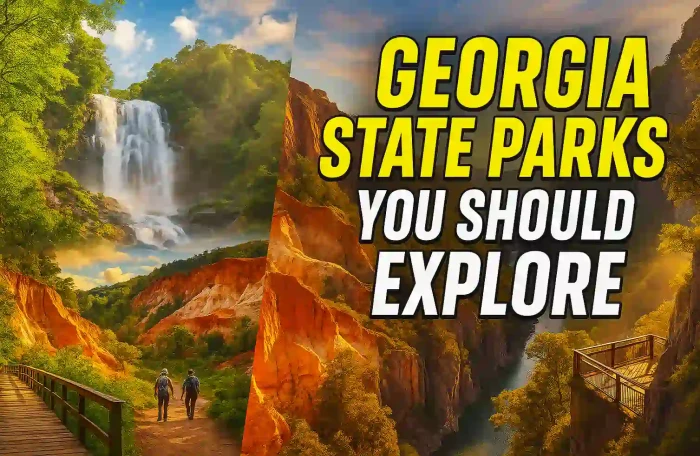

Did you know Georgia is home to more than 60 state parks, each offering a unique outdoor experience?
From the rolling peaks of the Blue Ridge Mountains to the quiet shores of Jekyll Island, Georgia’s parks protect natural treasures and preserve stories from the state’s past. Whether you’re chasing waterfalls, exploring the mountains in Georgia, or relaxing on the coast, the state’s parks deliver unforgettable experiences.
In this guide, we’ll cover the state parks you can’t miss in 2026. You’ll learn about their history, unique features, activities, and the best times to visit. We’ll also share tips to help you explore like a local and avoid common travel mistakes.
By the end, you’ll know which destinations are worth your time, and you won’t miss the must-see natural wonders that everyone will be talking about.
What You’ll Learn
State parks in Georgia you can explore in 2026, including their history and interesting facts
Top activities and experiences each park offers
Best times of year to visit each park and tips for making the most of your trip
Overview
Georgia has more than 60 state parks, each offering a unique outdoor experience. The best parks to visit in 2026 depend on your interests, whether that’s hiking, scenery, or history. This guide highlights parks across the state, from the mountains to the coast, so every visitor can find a perfect match.
Here’s a more detailed breakdown:
Mountain Parks
Amicalola Falls State Park: Home to Georgia’s tallest waterfall. It is the starting point for the Appalachian Trail Approach and has many hiking paths.
F.D. Roosevelt State Park: Georgia’s largest state park with more than 40 miles of trails and historic sites tied to President Roosevelt.
Tallulah Gorge State Park: Features a deep canyon and stunning overlooks. Visitors can hike rim trails or, with a permit, explore the gorge floor.
Cloudland Canyon State Park: Known for its sandstone canyons, cliffs, and waterfalls. Offers hiking, camping, and caving.
Vogel State Park: One of Georgia’s oldest parks. Famous for fall foliage and its lake, which is popular for swimming, fishing, and boating.
Unicoi State Park: Located in the north Georgia mountains near Helen, this park is known for outdoor recreation, hiking trails, and access to Anna Ruby Falls.
Coastal & Central Parks
Sweetwater Creek State Park: Near Atlanta, it features Civil War-era mill ruins and trails. Visitors can also fish or paddle on George Sparks Reservoir.
Jekyll Island State Park: Located on the Atlantic coast. Known for Driftwood Beach, bike paths, and a historic district.
Providence Canyon State Park: Called Georgia’s “Little Grand Canyon.” It features colorful soil layers and hiking trails shaped by erosion.
Activities and Experiences
Hiking & Waterfalls: Trails and waterfalls can be found at Amicalola Falls, Cloudland Canyon, and Tallulah Gorge.
Paddling & Fishing: Sweetwater Creek and Vogel State Park offer kayaking, canoeing, and fishing.
Biking: Jekyll Island State Park has 20 miles of coastal trails for cycling.
Historical Exploration: F.D. Roosevelt and Sweetwater Creek showcase Georgia’s history through preserved sites and ruins.
Wildlife Viewing: Many parks provide chances to see wildlife and join ranger-led programs.
Best Times to Visit
Spring (March–May): Wildflowers and mild hiking weather make spring ideal for mountain parks. It is also the best time to see rushing waterfalls in Georgia fed by snowmelt and heavy rains.
Summer (June–August): Great for swimming, kayaking, and enjoying coastal beaches.
Fall (September–November): Known for vibrant foliage, crisp air, and fewer crowds, perfect at F.D. Roosevelt and Vogel.
Winter (December–February): Offers quiet trails, cheaper lodging, and clear mountain views.
Other Notable Considerations
Reservations: Book cabins, campsites, and permits (like gorge floor access) early during peak seasons.
Weather Preparedness: Dress in layers, especially in mountain parks where conditions change fast.
Event Calendars: Many parks offer ranger programs, seasonal festivals, and educational events.
Early Arrival: Arrive early for popular hikes to avoid crowds and parking issues.
The Role of Georgia State Parks
Georgia’s state parks are more than scenic destinations. They are living records of the state’s natural and cultural heritage. From the Blue Ridge Mountains in the north to the barrier islands on the coast, these parks protect diverse landscapes and the stories tied to them. Visitors can explore historic ruins, stand beside waterfalls, or hike trails that wind through forests and wildlife habitats.
These parks also play a key role in recreation, education, and conservation. They give both residents and travelers a place to connect with nature, learn about Georgia’s past, and support local communities through tourism.
A Snapshot of Georgia’s State Parks
Georgia’s state parks cover a wide range of landscapes, from rugged mountain ridges to peaceful coastal marshes. They protect important natural resources and offer opportunities for hiking, camping, fishing, and relaxing in scenic surroundings. No matter your interest or skill level, you can find a park that fits your style of adventure.
Amicalola Falls State Park
Amicalola Falls is home to Georgia’s tallest waterfall, which drops 729 feet, making it one of the tallest in the Eastern United States.
The park is located in the North Georgia Mountains within the Chattahoochee National Forest.
Its name comes from the Cherokee word meaning “tumbling waters.”
It serves as the starting point for the 8.5-mile Appalachian Trail Approach to Springer Mountain.
Visitors can choose from short, paved paths to challenging stair climbs that run alongside the falls.
The park includes a lodge with a restaurant and conference facilities, as well as cabins and campsites.
F.D. Roosevelt State Park
F.D. Roosevelt State Park spans more than 9,000 acres, making it the largest state park in Georgia.
It is located near Pine Mountain in the west-central region of the state.
The park features more than 40 miles of hiking trails, including the well-known Pine Mountain Trail.
It is named after President Franklin D. Roosevelt, who often visited the area to enjoy its warm springs while seeking relief from polio.
Visitors can explore historic sites such as Dowdell’s Knob, where Roosevelt often picnicked and admired scenic views.
The park offers campsites, cabins, a swimming pool, and fishing lakes for year-round recreation.
Sweetwater Creek State Park
Sweetwater Creek State Park is located just west of Atlanta, making it a convenient getaway for city residents.
It is best known for the ruins of the New Manchester Manufacturing Company, a textile mill destroyed during the Civil War.
The park offers 15 miles of hiking trails that range from riverside walks to wooded paths.
Fishing, kayaking, and canoeing are popular on the 215-acre George Sparks Reservoir.
Wildlife sightings often include deer, beavers, and many bird species.
A visitor center provides exhibits on the park’s natural features and cultural history.
Jekyll Island State Park
Jekyll Island State Park is located along Georgia’s Golden Isles on the Atlantic coast.
The park is famous for Driftwood Beach, where large weathered trees create a dramatic shoreline.
It offers more than 20 miles of bike paths that connect beaches, historic landmarks, and nature areas.
A portion of the island is a designated historic district with restored cottages and buildings from the late 1800s.
Guided tours, dolphin-watching cruises, and seasonal events are available to visitors.
The park participates in conservation programs that protect nesting sea turtles along its beaches.
Tallulah Gorge State Park
Tallulah Gorge features a two-mile-long, 1,000-foot-deep canyon carved by the Tallulah River.
The park is located in northeast Georgia and is known for its breathtaking overlooks and a suspension bridge 80 feet above the gorge floor.
Visitors can hike rim trails for scenic views or obtain a permit to explore the gorge floor.
The park’s waterfalls, known as the Tallulah Falls, are a series of six cascading drops.
Tallulah Gorge has been a popular location for extreme sports, including tightrope walks and kayaking.
Cloudland Canyon State Park
Cloudland Canyon is one of Georgia’s largest and most scenic parks, located on the western edge of Lookout Mountain.
It features deep sandstone canyons, cliffs, caves, waterfalls, and dense woodlands.
Popular hikes include the West Rim Loop and trails leading to Cherokee and Hemlock Falls.
The park offers camping, cabins, and yurts, along with mountain biking and caving opportunities.
Wildlife commonly seen in the park includes deer, wild turkeys, and various bird species.
Providence Canyon State Park
Providence Canyon, often called Georgia’s “Little Grand Canyon,” is known for its striking orange, pink, and purple soil layers.
The park is located in southwest Georgia and was formed by poor farming practices in the 1800s.
It offers several miles of hiking trails that wind through the canyon’s unique formations.
Visitors can enjoy scenic overlooks, picnic areas, and educational exhibits about soil conservation.
The canyon is especially photogenic in late summer when wildflowers bloom.
Vogel State Park
Vogel State Park is one of Georgia’s oldest state parks, established in 1931.
Located at the base of Blood Mountain in the Chattahoochee National Forest, it is known for its vibrant fall foliage.
The park features a 22-acre lake with swimming, fishing, and paddleboat rentals.
Popular trails include the Bear Hair Gap Loop and hikes to Trahlyta Falls.
Cabins, campsites, and a museum about the Civilian Conservation Corps are available for visitors.
Things to Do at Georgia State Parks
Many parks host ranger-led programs, seasonal events, and guided tours to enhance your visit. Choose destinations that match your preferred activities to make the most of your time outdoors.
Hike to waterfalls at Amicalola Falls, which drops 729 feet and features stairway views. Follow the Waterfalls Trail at Cloudland Canyon to see Cherokee and Hemlock Falls. At Tallulah Gorge, enjoy rim overlooks of the Tallulah Falls series.
Cross a suspension bridge at Tallulah Gorge, hanging 80 feet above the river. Free permits allow limited daily access to the gorge floor.
Explore more than 40 miles of scenic ridge hikes on the Pine Mountain Trail at F.D. Roosevelt State Park.
Fish, paddle, or rent boats at Sweetwater Creek’s George H. Sparks Reservoir. Options include kayaks, canoes, pedal boats, and jon boats.
Head to Vogel State Park’s Lake Trahlyta to rent kayaks, canoes, paddleboards, or pedal boats. Seasonal guided paddles and programs are also available.
Bike more than 20 miles of coastal trails around Jekyll Island State Park. Routes connect to Driftwood Beach, the Historic District, and wildlife areas.
Learn about sea turtles and coastal wildlife at the Georgia Sea Turtle Center on Jekyll. Visit nearby observation sites like Horton Pond.
Try ziplining and guided hikes at Amicalola Falls State Park & Lodge’s adventure park. Refuel afterward at the lodge’s Cascades Restaurant.
Walk colorful canyon trails at Providence Canyon, called Georgia’s “Little Grand Canyon.” Loops and backcountry routes wind through its striking soil formations.
Watch wildlife and join ranger-led hikes at parks such as Sweetwater Creek. Seasonal events and programs run across the state park system.
When to Go and How to Make the Most of Your Visit
The best time to visit Georgia’s state parks depends on the activities you enjoy. Each season offers unique scenery, from spring blooms to fall colors. Plan ahead to make the most of your trip and avoid peak crowds.
Spring – Visit during March through May for blooming wildflowers, rushing waterfalls, and mild hiking weather. Amicalola Falls, Cloudland Canyon, and Tallulah Gorge are especially scenic in spring.
Summer – June through August is best for water activities such as swimming at Vogel State Park, kayaking at Sweetwater Creek, or relaxing on the beaches of Jekyll Island.
Fall – September through November brings vibrant foliage, crisp air, and smaller crowds. F.D. Roosevelt State Park and Vogel State Park are two of the best spots for leaf color.
Winter – December through February offers quiet trails, off-season lodging rates, and clear mountain views at parks like Tallulah Gorge and Cloudland Canyon.
Insider Tips:
Reserve cabins, campsites, and gorge floor permits early, especially during peak seasons.
Dress in layers and prepare for quick weather changes, especially in mountain parks.
Check park event calendars for ranger-led hikes, seasonal festivals, and wildlife programs.
Arrive early in the day for popular hikes to avoid parking delays and crowds.
Final Thoughts
Georgia’s state parks offer something for every type of traveler, from mountain hikers to beach explorers. With their mix of natural beauty, outdoor recreation, and historical landmarks, these parks give you a chance to experience the best of the state’s landscapes in one trip.
Planning ahead makes all the difference. When you choose the right season, match your activities to the park’s strengths, and take time to explore beyond the main attractions, you can turn a simple visit into an unforgettable adventure.
Bringing Your Car to Georgia
If you’re planning to explore Georgia’s state parks in 2026, having your vehicle available can make it easier to visit multiple destinations. For travelers relocating to Georgia or bringing a car for an extended stay, arranging auto transport can save time and reduce wear on your vehicle.
AmeriFreight Auto Transport connects customers with trusted carriers to transport vehicles within the United States. Their customer service agents guide you through the booking process, answer questions, and help match your transport needs to available carrier services.
Frequently Asked Questions (FAQs)
What is the history of the ruins at Sweetwater Creek State Park?
The ruins are from the New Manchester Manufacturing Company, a textile mill built in the 1840s. It was destroyed by Union forces during the Civil War in 1864, and its remains are now a key historic feature along the park’s trails.
Which state parks in Georgia offer kayaking or canoeing rentals?
Several parks rent kayaks or canoes, including Sweetwater Creek State Park, Vogel State Park, and George L. Smith State Park. Many coastal parks, such as Jekyll Island, also offer paddling opportunities through local outfitters.
Do Georgia state parks offer any discounts for seniors or veterans?
Yes. Many Georgia state parks provide reduced rates or free entry for seniors and veterans with valid identification. The discount amount may vary by park.
Is there a lodge with a restaurant at Amicalola Falls State Park?
Yes. Amicalola Falls State Park has a lodge with overnight accommodations, meeting spaces, and the Cascades Restaurant, which overlooks the surrounding mountains.