

Shipping a Pickup Truck
Shipping a pickup truck involves more planning than shipping a typical sedan. Truck size, weight, modifications, and route availability all affect the type of carrier required and the final shipping cost.
Whether you're moving a Ford F-150, Ram 2500, Chevrolet Silverado, Toyota Tacoma, or a lifted custom build, understanding how pickup truck transport works can help you avoid delays, unexpected fees, and equipment issues.

What Pickup Truck Shipping Costs in 2026
Pickup trucks often cost more to transport than passenger cars. Their larger dimensions and heavier curb weights reduce the number of vehicles a carrier can legally load on a trailer. In many cases, shipping a pickup truck costs approximately 15% to 40% more than transporting a standard sedan.
Distance Still Drives Most Pricing
Distance remains the largest factor in vehicle shipping costs.
Long-distance shipments cost more overall, though the per-mile rate generally decreases as distance increases. Carriers can spread operating expenses across more miles, which creates greater efficiency on longer routes.
Truck Size and Weight Matter More Than Many Owners Realize
Not all pickup trucks occupy the same amount of trailer space.
The Federal Highway Administration classifies pickup trucks according to Gross Vehicle Weight Rating (GVWR), which represents the maximum operating weight specified by the manufacturer.
A midsize pickup typically fits comfortably into standard carrier positions. Heavy-duty trucks often consume significantly more weight capacity and deck space.
Modified Trucks Can Increase Shipping Costs
Lift kits, oversized tires, utility bodies, aftermarket bumpers, headache racks, toolboxes, and suspension upgrades all affect transport planning.
These modifications can create height, width, and weight challenges that require specialized loading positions or different trailer types.
Providing accurate measurements during the quoting process helps carriers determine whether standard equipment can safely accommodate the vehicle.
Non-Running Trucks Require Additional Equipment
If a pickup cannot start, steer, or brake normally, the carrier must use specialized loading equipment.
Winches, forklifts, and other recovery equipment increase labor and loading time. Industry estimates place typical non-running vehicle surcharges between $150 and $300, depending on the truck's size and condition.
Seasonal Demand Changes Pricing
Vehicle shipping demand tends to increase during:
Summer moving season
Snowbird migration periods
Holiday relocation periods
Military relocation cycles
During peak demand periods, carrier availability may tighten on popular routes.
Rural Routes Often Cost More
Major cities and interstate corridors typically offer more carrier options.
Remote pickup or delivery locations require carriers to spend additional time reaching the vehicle, which often increases transportation costs.
Open vs. Enclosed Transport
The transport method you choose affects both cost and vehicle protection.
For most pickup truck owners, the decision comes down to balancing budget against the level of protection desired during transit.
Open Auto Transport
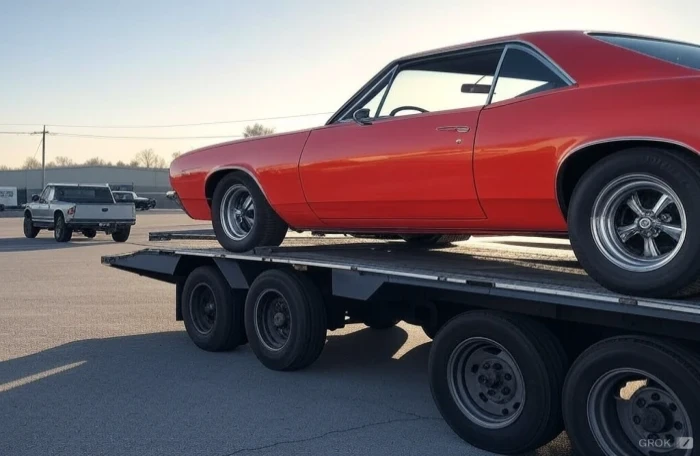
Open transport is the most common method used throughout the auto shipping industry.
The truck is loaded onto an open carrier alongside other vehicles and transported on public highways. Industry estimates suggest open transport accounts for the vast majority of vehicle shipments nationwide.
Advantages include:
Lower shipping costs
Greater carrier availability
Faster scheduling opportunities
More route options nationwide
The primary tradeoff is exposure to weather, road dust, and normal highway conditions.
Enclosed Auto Transport
Enclosed transport places the truck inside a fully enclosed trailer.
This option provides additional protection from:
Rain
Snow
UV exposure
Road debris
Dust and dirt
Modified, Lifted, Heavy-Duty, and Dually Trucks Need Special Attention
Standard pickup trucks fit comfortably on most auto transport trailers. Once modifications enter the picture, shipping becomes more complex.
Truck dimensions determine whether a carrier can use standard equipment or must arrange specialized transport. Height, width, weight, and aftermarket accessories all affect trailer selection.
Lifted Trucks Create Clearance Challenges
A lift kit may improve off-road performance, but it can complicate transportation.
Most states limit overall vehicle height on public highways to approximately 13.5 to 14 feet. Carriers must account for both the height of the trailer and the height of the truck when planning a route.
A moderately lifted pickup often fits on a standard carrier. Extremely tall trucks may require a step-deck trailer, which places the vehicle lower to the ground and provides additional vertical clearance.
Before booking transport for a lifted truck, provide:
Overall vehicle height
Tire size
Lift height
Roof-mounted accessories
Bed racks or ladder racks
Accurate measurements help prevent loading issues on pickup day.
Dually Trucks Operate Close to Width Limits
Dually trucks use dual rear wheels to increase towing and payload capacity. They are common on models such as:
Ford F-350 DRW
Ram 3500 Dually
Chevrolet Silverado 3500HD Dually
Federal regulations generally limit commercial vehicle width to 102 inches on the National Highway System. Factory dually trucks already operate close to that threshold. Some measure approximately 97 inches wide at the rear fenders.
Heavy-Duty Pickups Affect Trailer Capacity
A Ford F-250, Ram 2500, or Silverado 2500 weighs substantially more than a midsize pickup.
Heavy-duty models often exceed 7,500 pounds before cargo or accessories are added. Larger Class 3 trucks such as the Ford F-350 and Ram 3500 can weigh even more. That extra weight affects how carriers build loads.
Federal regulations limit the amount of weight a transport trailer can legally carry. Loading one heavy-duty truck may reduce the number of additional vehicles the carrier can place on the trailer. This is one reason heavy-duty pickups often cost more to transport than half-ton models.
Broker vs. Carrier: Understanding the Difference
Many customers assume the company providing the quote is also the company transporting the vehicle.
That is not always the case.
Federal regulations distinguish between auto transport brokers and auto carriers. https://www.fmcsa.dot.gov/protect-your-move/resources/consumer-advisory-automobile-transporters
Auto Transport Broker
A broker arranges transportation by connecting customers with qualified carriers. Brokers do not own the transport trucks used to move vehicles. Instead, they coordinate shipments through carrier networks and manage the logistics process. Benefits of working with a broker include:
Access to a large network of carriers
More route options
Greater scheduling flexibility
Assistance finding available equipment
Carrier screening and verification
Auto Carrier
A carrier owns the trucks and trailers used to move vehicles. Carriers employ drivers, maintain equipment, and physically transport shipments. Benefits of working directly with a carrier may include:
Direct communication with the transport company
Familiarity if you have used that carrier before
Established regional expertise
The FMCSA recommends verifying licensing and operating authority regardless of whether you choose a broker or a carrier.
DIY vs. Professional Transport
Renting a trailer may seem like the cheaper option. Once fuel, lodging, equipment rental, and travel time are included, the numbers often look very different. The right choice depends on distance, truck size, towing experience, and risk tolerance.
Professional Transport
Hiring a professional carrier removes most of the logistical burden. For long-distance moves, professional transport is usually the simpler option. Advantages include:
No additional mileage on your truck
No towing-related wear and tear
No trailer rental requirements
Reduced travel time
Carrier cargo coverage according to policy terms
Experienced commercial drivers
DIY Trailer Transport
Towing a pickup truck yourself can make sense for certain local moves. The tow vehicle must also be capable of safely handling the load. Large pickups can quickly push towing setups near their rated limits. Potential expenses include:
Trailer rental
Fuel
Hotel stays
Meals
Tolls
Additional maintenance
Insurance for Custom and High-Value Trucks
Insurance deserves close attention before any pickup truck shipment, especially when the vehicle has significant aftermarket upgrades or collector value.
A custom suspension system, specialty wheels, performance upgrades, or show-quality paint can substantially increase the truck's value beyond its factory configuration.
Understanding how coverage works before pickup helps avoid confusion if a claim ever becomes necessary.
Carrier Cargo Coverage
Reputable carriers typically maintain cargo coverage for vehicles they transport. Coverage amounts, exclusions, deductibles, and claim procedures vary by carrier, so it is important to review the carrier's documentation before shipment.
The FMCSA requires interstate carriers to maintain public liability insurance filings, though cargo coverage itself is generally an industry standard rather than a specific federal requirement.
Your Personal Auto Policy
Some personal auto insurance policies provide limited protection while a vehicle is being transported. Coverage differs significantly between insurance providers. A quick conversation with your insurance company can clarify:
Whether transport-related damage is covered
Whether deductibles apply
Whether weather-related events are covered
Whether aftermarket accessories have separate coverage limits
Optional Gap Protection Plans
Owners of custom, restored, lifted, or high-value trucks often seek additional protection. AmeriFreight Auto Transport offers AFTA optional gap protection plans for qualifying shipments. Review plan details carefully to understand eligibility requirements, coverage limits, and exclusions.
Verify Your Transporter Before Booking
The easiest way to avoid transportation problems is to verify credentials before handing over your vehicle.
The Federal Motor Carrier Safety Administration maintains public records that allow consumers to review a company's operating authority and compliance status.
Before booking, verify the following:
USDOT number
MC number
Active operating authority
Insurance filings
Company status
The FMCSA Consumer Advisory specifically recommends checking transporter credentials before shipping a vehicle.
What DOT and MC Numbers Mean
A USDOT number identifies carriers that operate commercial vehicles in interstate commerce. An MC number identifies companies authorized to conduct transportation services regulated by the FMCSA. Most carriers have both numbers.
Brokers typically operate under MC authority and do not necessarily maintain their own commercial fleet.
Why Verification Matters
Licensing and insurance checks help confirm that a company is operating legally.
Verification can also reveal:
Authority status
Company history
Insurance filings
Safety information
Contact information
These checks take only a few minutes and can prevent major headaches later.

The Bill of Lading Is the Most Important Document in the Shipment
Many truck owners focus on pricing and scheduling while overlooking the document that becomes most important if a dispute arises.
That document is the Bill of Lading.
The Bill of Lading serves as:
A shipping contract
A vehicle condition report
A cargo receipt
A delivery record
Industry guidance identifies the Bill of Lading as the primary document used to distinguish pre-existing damage from transport-related damage.
Inspect the Truck Carefully at Pickup
Before loading begins, inspect the truck with the driver. Document scratches, dents, paint chips, cracked glass, wheel damage, and existing cosmetic defects. Take clear, date-stamped photographs from multiple angles. Photographs and the signed Bill of Lading create the baseline condition record for the shipment.
Review the Vehicle Again at Delivery
Perform another inspection before signing the delivery paperwork. Compare the truck's condition against your photographs, the pickup inspection, and the Bill of Lading. If concerns exist, note them immediately on the delivery paperwork before signing.
Preparing Your Pickup Truck for Transport
A few simple preparation steps can help prevent delays and keep the loading process efficient.
Leave About a Quarter Tank of Fuel
The truck only needs enough fuel to drive on and off the carrier.
Extra fuel adds unnecessary weight.
A quarter tank is generally sufficient.
Remove Personal Belongings
Personal items should be removed from:
The cab
Under-seat storage compartments
The truck bed
Toolboxes
Most carrier cargo policies do not cover personal property left inside the vehicle.
Additional weight can also create loading concerns.
Remove Loose Accessories
Secure or remove:
Portable GPS units
Radar detectors
Removable toolboxes
Bed cargo
Loose aftermarket accessories
Anything capable of shifting during transport should be removed beforehand.
Disable Alarms
Unexpected alarm activations create unnecessary complications during transport.
Disable any alarm systems before pickup.
Provide a Spare Key
Carriers need a key to safely move the vehicle during loading and unloading.
Providing a spare key helps streamline the process.
Take Detailed Photographs
Photograph:
Front bumper
Rear bumper
Both sides
Roof
Wheels
Mirrors
Existing damage
Keep the images until the shipment has been completed and inspected.

Ready to Ship Your Pickup Truck?
Shipping a pickup truck successfully starts with matching the vehicle to the right equipment and carrier.
A standard half-ton pickup, a lifted off-road build, and a heavy-duty dually all have different transportation requirements. Understanding those differences helps avoid delays, equipment issues, and unnecessary costs.
For more than two decades, AmeriFreight Auto Transport has helped customers coordinate vehicle shipping through a network of licensed, insured, and carefully vetted carriers.
Whether you're relocating, purchasing a truck from another state, or moving a custom build across the country, our customer service agents can help you explore available transport options and find a solution that fits your needs. Request a quote now!