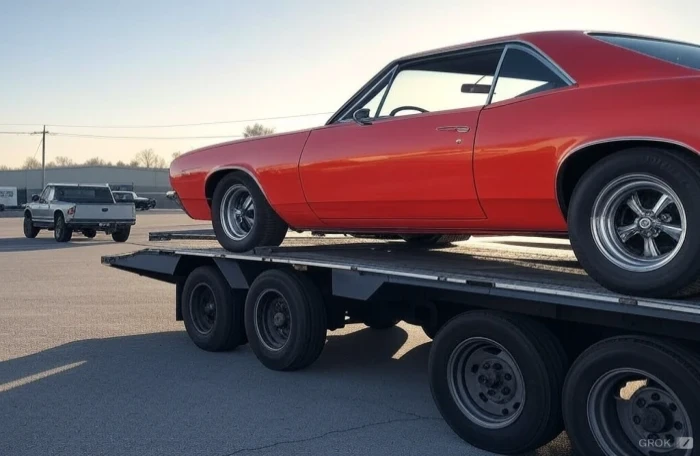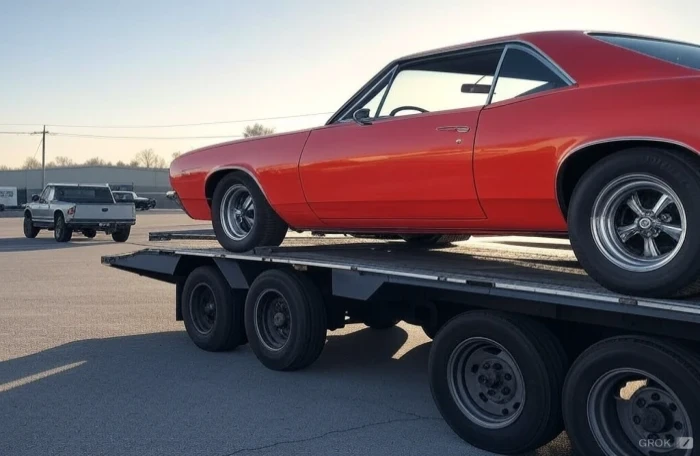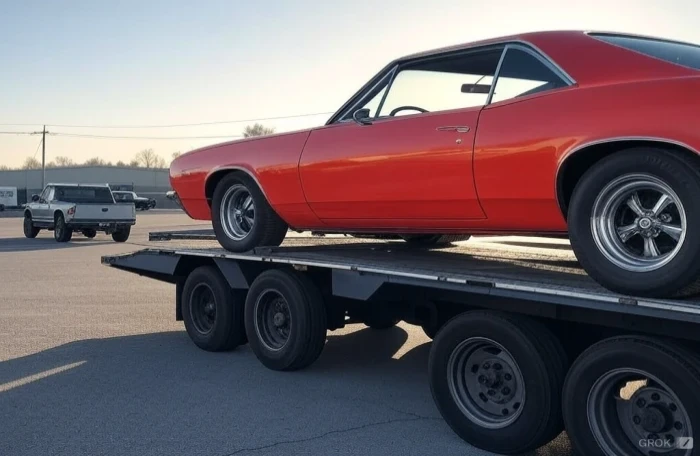



Car transporters move over $10 billion worth of business every year in the U.S. auto shipping sector, making them the backbone of how vehicles reach dealerships, families, and collectors. The role of auto carriers in vehicle transport extends beyond moving cars from point A to point B. They connect manufacturers with customers, help families relocate, and support the broader auto supply chain.
Without auto carriers, dealerships would struggle to stock new models, relocations would cost more time and money, and the flow of vehicles worldwide would slow. Understanding how transporters operate helps you see their value and make better choices when you need to ship your own car.
What You’ll Learn
The role of auto carriers in vehicle transport and why they matter to manufacturers, dealerships, and relocating families
The different types of car transporters, including open, enclosed, single-vehicle, and multi-car options, and when each one makes sense
The main cost, safety, and insurance factors that can affect your choice when shipping a car
The role of auto carriers in vehicle transport and why they matter to manufacturers, dealerships, and relocating families
The different types of car transporters, including open, enclosed, single-vehicle, and multi-car options, and when each one makes sense
The main cost, safety, and insurance factors that can affect your choice when shipping a car
Overview
Car transporters are crucial for moving vehicles across the country and around the world, serving manufacturers, dealerships, businesses, and families; the best option for your car depends on factors like cost, safety needs, and the type of vehicle you're shipping.
Here's a more detailed breakdown:
Connecting Manufacturers and Dealerships
Car transporters ensure new cars reach dealerships from factories, keeping lots stocked and preventing sales delays.
Supporting Families During Relocations
They save time and prevent wear on personal vehicles for families moving, students, and military members.
Assisting Corporate and Government Moves
Employers often use auto shipping for employee relocations or to move entire fleets efficiently.
Enabling International Trade
Transporters move vehicles to and from ports, supporting global import and export of cars.
Reducing Risk and Cost for Individuals
Professional carriers protect vehicles during transport, reducing road hazards and mechanical issues, and include insurance coverage.
Types of Car Transporters
Open Transporters
These are the most common and affordable, ideal for everyday cars, though vehicles are exposed to weather and road debris.
Enclosed Transporters
These provide full protection for luxury, exotic, vintage, or collectible cars, but cost more due to limited space.
Single-Vehicle Transporters
Used for urgent moves or high-value vehicles, they offer flexible scheduling and direct routes at a higher cost.
Multi-Car Transporters
These larger carriers move several vehicles at once, making them cost-efficient for dealerships and fleets.
Other Notable Considerations
Distance
Longer trips typically cost more due to increased fuel, time, and driver expenses.
Vehicle Size and Type
Larger vehicles and specialty cars can increase transport costs due to space and specific care needs.
Season and Timing
Shipping rates can be higher during peak moving seasons or for urgent bookings.
Fuel Prices
Fluctuating fuel costs directly impact overall shipping rates.
Safety and Regulations
The FMCSA sets rules for vehicle transport, and reputable carriers follow these, using proper securing equipment.
Insurance Coverage
Reputable carriers provide insurance against damage, and customers should verify coverage and liability limits.
How Car Transporters Became Essential to Auto Shipping
For more than a century, one question has shaped the auto industry: how do you move a car from the factory to the buyer without adding wear, miles, or cost? In the early days, cars often traveled by rail or were driven long distances by hired drivers, which meant customers received vehicles that already had mileage and road use.
Modern auto carriers changed everything. Today, transporters can move cars across thousands of miles without a single mile on the odometer. Families use them during relocations, military members rely on them for new assignments, and collectors trust them with valuable classics.
Carriers are no longer a hidden part of the process; they’re central to how the auto shipping industry works every day.

The Role of Auto Carriers in Vehicle Transport
Car transporters keep vehicles moving across the country and around the world. Their role touches every corner of the auto industry.
Connecting Manufacturers and Dealerships
New cars are shipped directly from factories to dealerships
Dealer lots stay stocked with the latest models
Prevents delays that would slow down sales and customer deliveries
New cars are shipped directly from factories to dealerships
Dealer lots stay stocked with the latest models
Prevents delays that would slow down sales and customer deliveries
Supporting Families During Relocations
Saves time by avoiding long-distance driving
Prevents extra mileage and wear on personal vehicles
Common choice for military families, students, and workers relocating to new jobs
Saves time by avoiding long-distance driving
Prevents extra mileage and wear on personal vehicles
Common choice for military families, students, and workers relocating to new jobs
Assisting Corporate and Government Moves
Employers often include auto shipping in relocation packages
Carriers can move multiple vehicles at once for employees or entire fleets
Offers efficiency for both government and private sector moves
Employers often include auto shipping in relocation packages
Carriers can move multiple vehicles at once for employees or entire fleets
Offers efficiency for both government and private sector moves
Enabling International Trade
Moves vehicles to and from ports as part of land-sea shipping
Supports importers and exporters in moving cars worldwide
Expands reach for both foreign and domestic brands
Moves vehicles to and from ports as part of land-sea shipping
Supports importers and exporters in moving cars worldwide
Expands reach for both foreign and domestic brands
Reducing Risk and Cost for Individuals
Professional carriers use proper securing equipment to protect vehicles
Reduces risk of road hazards and mechanical issues from long-distance driving
Includes insurance coverage for added peace of mind
Professional carriers use proper securing equipment to protect vehicles
Reduces risk of road hazards and mechanical issues from long-distance driving
Includes insurance coverage for added peace of mind
Car transporters do more than move cars from one place to another. They keep the auto shipping industry functioning by linking manufacturers, businesses, and everyday people.
Types of Car Transporters
Car transporters come in different forms, each designed for specific needs and budgets. Knowing the differences helps you choose the right one for your vehicle.
Open Transporters
The most common type of carrier in the U.S.
Vehicles are loaded onto open trailers, often stacked on two levels
Best for everyday cars, dealership deliveries, and bulk moves
Lower cost and faster loading, but cars are exposed to weather and road debris
The most common type of carrier in the U.S.
Vehicles are loaded onto open trailers, often stacked on two levels
Best for everyday cars, dealership deliveries, and bulk moves
Lower cost and faster loading, but cars are exposed to weather and road debris
Enclosed Transporters
Vehicles travel inside covered trailers for full protection
Ideal for luxury, exotic, vintage, or collectible cars
Protects against weather, dirt, and debris during transport
Costs more than open transport because fewer cars fit inside
Vehicles travel inside covered trailers for full protection
Ideal for luxury, exotic, vintage, or collectible cars
Protects against weather, dirt, and debris during transport
Costs more than open transport because fewer cars fit inside
Single-Vehicle Transporters
Designed to carry one car at a time
Often used for urgent moves or high-value vehicles needing personal care
Offers flexible scheduling and direct routes
More expensive since one trailer space is dedicated to a single car
Designed to carry one car at a time
Often used for urgent moves or high-value vehicles needing personal care
Offers flexible scheduling and direct routes
More expensive since one trailer space is dedicated to a single car
Multi-Car Transporters
Larger carriers that move several vehicles at once
Available in both open and enclosed formats
Common for dealerships, auctions, and fleet moves
More cost-efficient because expenses are shared across multiple vehicles
Larger carriers that move several vehicles at once
Available in both open and enclosed formats
Common for dealerships, auctions, and fleet moves
More cost-efficient because expenses are shared across multiple vehicles
Cost, Safety, and Insurance Factors
Several factors affect how much you pay and how safe your vehicle will be during transport. Understanding them helps you make a smart choice.
Distance
Longer trips cost more because of fuel, time, and driver expenses.
Short regional moves are usually more affordable.
Cross-country shipments can take over a week and add to overall cost.
Longer trips cost more because of fuel, time, and driver expenses.
Short regional moves are usually more affordable.
Cross-country shipments can take over a week and add to overall cost.
Vehicle Size and Type
Larger vehicles like trucks and SUVs take more space and weigh more.
Heavier loads increase fuel use and transport costs.
Specialty cars, like classics or luxury vehicles, may require enclosed carriers at a higher price.
Larger vehicles like trucks and SUVs take more space and weigh more.
Heavier loads increase fuel use and transport costs.
Specialty cars, like classics or luxury vehicles, may require enclosed carriers at a higher price.
Transporter Type
Open carriers are the cheapest and most common option.
Enclosed carriers cost more but offer extra protection.
Single-vehicle transport adds premium costs for personal handling.
Open carriers are the cheapest and most common option.
Enclosed carriers cost more but offer extra protection.
Single-vehicle transport adds premium costs for personal handling.
Season and Timing
Peak moving months in summer often bring higher rates.
Winter transport can cost more due to delays and weather risks.
Flexible scheduling may reduce your price compared with urgent bookings.
Peak moving months in summer often bring higher rates.
Winter transport can cost more due to delays and weather risks.
Flexible scheduling may reduce your price compared with urgent bookings.
Fuel Prices
Rising fuel costs increase overall shipping rates.
Carriers adjust quotes based on current fuel market trends.
Rising fuel costs increase overall shipping rates.
Carriers adjust quotes based on current fuel market trends.
Safety and Regulations
The Federal Motor Carrier Safety Administration (FMCSA) sets rules on weight, driver hours, and securing methods.
Drivers must hold a commercial driver’s license (CDL).
Vehicles are secured with straps, chains, or wheel nets to prevent shifting.
The Federal Motor Carrier Safety Administration (FMCSA) sets rules on weight, driver hours, and securing methods.
Drivers must hold a commercial driver’s license (CDL).
Vehicles are secured with straps, chains, or wheel nets to prevent shifting.
Insurance Coverage
Reputable carriers provide insurance against accidents, theft, or damage.
Customers should ask for proof of coverage and check liability limits.
Extra gap coverage may be available for high-value vehicles.
Reputable carriers provide insurance against accidents, theft, or damage.
Customers should ask for proof of coverage and check liability limits.
Extra gap coverage may be available for high-value vehicles.
Final Thoughts
Car transporters keep the auto shipping industry moving by linking manufacturers, dealerships, businesses, and families. They save time, cut down on costs, and protect vehicles from the risks of long-distance driving.
When you understand the role of auto carriers in vehicle transport, the different transporter types, and the key cost and safety factors, you can make a confident decision. The right choice gives you peace of mind knowing your car is in safe hands.
Ship Your Car with Confidence
When it comes time to move your vehicle, the choice of carrier makes all the difference. AmeriFreight Auto Transport connects you with licensed, insured carriers and provides support throughout the process so you don’t have to guess.
Visit our quote page. Enter your pickup and delivery details to see estimates and available options, then choose the service that works best for your schedule and budget.
Frequently Asked Questions (FAQs)
Can I put personal items in my car during transport?
Most carriers do not allow personal belongings in the vehicle due to insurance and weight restrictions. Always ask the carrier before packing anything inside.
What should I do to prepare my car for shipping?
Clean the interior and exterior, remove personal items, check fluid levels, and take photos of your vehicle’s condition before pickup.
Will my car be driven during shipping?
Your car will only be driven when loading and unloading onto the transporter. It is not driven for mileage during the transport process.