
 Call Us:
  Email Us:
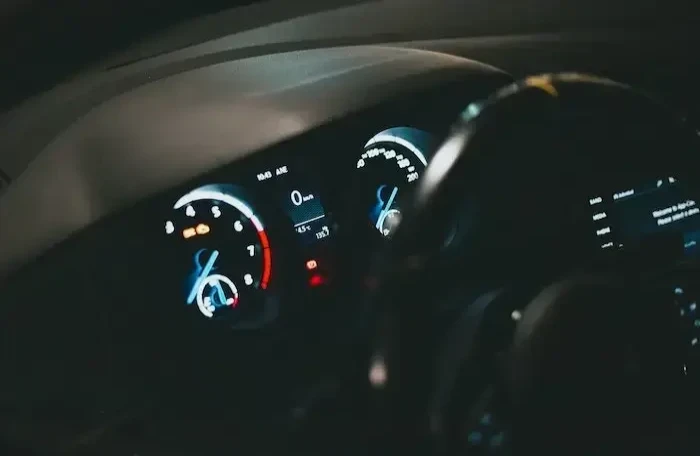
There are a lot of reasons why getting better gas mileage for your vehicle is advantageous. From saving money to lower emissions, guaranteeing and maintaining vehicle fuel efficiency is a very important part of having your own car. Let’s get more deeply into the vehicle mileage topic, since it can be a little tricky or confusing for some of us.
What Is A Good Gas Car Mileage?
Having a good gas mileage means that your vehicle will consume less gas for a larger distance traveled per mile, measured in mpg. So, for example, if your car gets 30 mpg, it means it traveled 30 miles per one gallon of gas.
Gas mileage depends on the vehicle’s speed, idling, and revolutions, which vary based on the area that the car is getting driven. Usually, on highways, mpg is usually higher, whereas in the city, gas mileage tends to be a little bit lower.
The Benefits of Lower Gas Mileage
The truth is, getting a lower mileage on your vehicle no matter its age or features, will definitely offer a better experience when driving. Usually, cars with low mileage provide better rides, and its functional parts will work better as well.
Car mileage also reflects the suspension and engine conditions, which are certainly better if the mileage or car use is lower. Therefore, trying to get lower mileage on your vehicle, can lead to better resale value, fuel efficiency, driving experience, and a higher life span compared to a vehicle with higher gas mileage.
According to Investopedia, “Improving fuel economy not only saves drivers money, but also benefits the environment by releasing fewer emissions into the air and reduces a nation’s dependence on oil and oil imports”. That said, improving gas mileage not only boosts the vehicle’s functionality, but also contributes to the environment and is a great way of reducing car costs.
Tips For The Best Car Gas Mileage
Reducing your car's gas mileage isn't necessarily walking to work instead of driving or taking the train. Getting the best car gas mileage is mainly accomplished by following some simple tips that will ensure you amazing mileage results within months.
Tire pressure
The right tire pressure plays a vital role when it comes to improving your car’s mileage. You can simply ask your manufacturer the right tire pressure for your car depending on its conditions, and follow the recommendation. Operating a vehicle with tires not properly inflated, can cost 10 to 15% on fuel efficiency, which is an important factor for gas usage.
Right Gear Changes
The most common way to reduce fuel economy is having sudden bursts of acceleration. Smooth acceleration plays a vital role for improving efficiency and therefore a better gas mileage. Having your vehicle smoothly accelerate means the gear changes on your transmission are not sudden or hard, but timed with the pedal usage to transition in an efficient manner.
Replace Air Filter
Did you know that around 14 million gallons of air pass through a car’s engine every year? That’s quite a lot, isn’t it? Well, the thing here is that the air tends to get dirty over time, increasing fuel usage by around 10 percent. Vehicles that are 10 years or older, are the most affected by this in terms of gas mileage than newer vehicles.
We recommend you to check for any dirt clogging your air filter at least once a year. Most oil change services include an inspection of air filters.
Coasting
By coasting, we mean reducing brake wear and avoiding pressing the gas pedal when it's not that necessary. It’s basically the use of momentum instead of actually moving it with acceleration. Hard or unnecessary acceleration can increase your car’s mileage up to 20 percent.
If you’re driving and heading to a stoplight with a red light seen from a distance, accelerating towards it doesn’t make that much sense. Instead, you can let your vehicle roll smoothly until it reduces its speed considerably on its own, allowing you to press the brake when you think it's necessary.
This is an easy way of reducing vehicle mileage, and mainly depends on replacing the movement of your car with stored energy!
Idling Your Car
This is way more common than you imagine. Idling your car is burning fuel unnecessarily, while going nowhere and getting 0 mpg. According to The California Energy Commission (CEC) vehicles should be turned off if the wait is longer than 10 seconds, since the car will keep burning gas although there’s no movement.
Fuel Up In The Morning
Fueling up in the morning is actually a science fact. Fueling up in the morning will allow cooler temperature to ensure you get more fuel and better gas mileage due to fuel density aspects. So next time you head to work or college in the morning, save gas and money by fueling up earlier.
Tanking Up Means More Weight
Did you know that added fuel affects your vehicle’s weight much more than imagined? When filling up your vehicle’s fuel, try doing it halfway so your tank gets above a quarter full. This will allow your car’s efficiency to improve, and therefore reduce mileage.
The downside to this is that you’ll run empty sooner, so you have to be aware of filling it up before it reaches the gas reserve.
Plan Your Route
Planning your route, especially when you don’t know exactly where your destination is, is the better decision you can make before driving. You’ll get less stops, no extra miles, avoid rush hours, and therefore increase fuel economy and gas mileage.
Having a clear route will lessen any stress or mistakes along the road. It will also help you get better mileage due to less wear of the vehicle and fewer distances.
Try figuring out the route on google maps, waze, or any other updated GPS before heading out to your destination.
Constant Vehicle Maintenance
Maintaining your air filter and fuel filter will help your vehicle have better efficiency and therefore the best car mileage for it. If you avoid doing this frequently, don’t get surprised that the dirty air inside the engine results in more fuel burning out. It definitely contributes to fuel efficiency and the amount of burnt fuel along the road.
Drive Smoothly
Treat your vehicle’s parts in a soft, safe way. Avoid pressing pedals and gearing too hard, this will eventually result in car’s damage and less efficiency. Slow down, because gas mileage decreases rapidly above 50-55 mph. Avoid rapid accelerations as well, because this may result in aggressive driving that will eventually lower your gas mileage by almost 30%.
Try controlling a steady speed along the route, so you prevent constant changes in the vehicle’s speed and acceleration.
Car’s Speed
Driving at high speeds is also a way of burning a huge amount of fuel, affecting gas mileage. Speeds over 55 mph tend to kill gas mileage tremendously. For example, if you are driving at a speed of 65 mph, you’ll be potentially decreasing fuel efficiency by 36 percent. Try driving closer to 55 mph so you have better control of your vehicle, less idling, and less costs as well. Highway speeds tend to be much higher, leading to a higher usage of gas mileage.