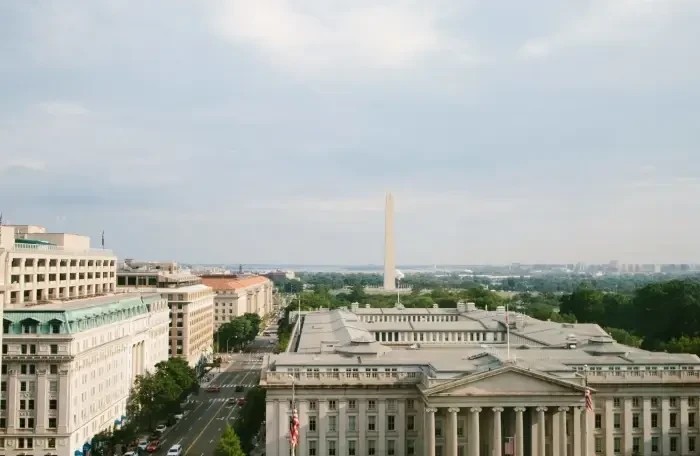


The United States Department of Transportation (USDOT) is the primary regulatory authority of the transport industry. It oversees the movement of people and goods across the country. It sets national safety standards, enforces operating rules, and manages federal funding for highways, aviation, rail, and maritime infrastructure.
Congress established the USDOT in 1967 to consolidate transportation functions previously distributed across multiple agencies. In 2025, it operated with a budget of $146.2 billion and employed more than 58,000 people. A scale that gives it broad influence and allows regulatory changes to have far-reaching effects.
Oversight Happens at Three Levels
Transportation regulation is not controlled by a single office. Instead, it operates through several layers of authority.

Federal Oversight
At the federal level, the USDOT and its agencies establish national regulations governing interstate commerce. These rules cover areas such as commercial trucking standards, railroad safety requirements, and aviation certification.
State Oversight
States are responsible for driver licensing, vehicle registration, and road maintenance. They also help enforce federal standards through their own agencies. Commercial Driver’s Licenses, or CDLs, are issued by states but must follow federal guidelines.
Local Oversight
Local governments oversee traffic flow, zoning for freight terminals, and roadway rules such as speed limits. These decisions directly affect daily carrier operations by influencing congestion, routing, and delivery schedules.
Together, these federal, state, and local layers shape transportation costs, risk exposure, and compliance requirements for businesses in the industry.
The Federal Aviation Administration Controls the Skies
The Federal Aviation Administration, or FAA, is the largest agency within the USDOT. It oversees the National Airspace System and regulates pilot certification, aircraft standards, and air traffic control operations.
In 2026, the FAA initiated a structural reorganization to modernize safety oversight and expedite infrastructure upgrades. The agency requested $22 billion in funding, including $1 billion for the replacement of legacy communications systems under Project LIFT.
Highways and Vehicle Policy Run Through the FHWA
The Federal Highway Administration, or FHWA, manages federal highway funding and works with states to set infrastructure standards. Through programs such as SAFE ROADS, it has focused on high-risk arterial roads where many traffic fatalities occur. More than 4,300 roads and intersections were identified for improvement.
Trucking Falls Under the FMCSA
The Federal Motor Carrier Safety Administration, or FMCSA, regulates commercial motor vehicles. It sets standards for driver qualifications, vehicle inspections, and Hours of Service limits.
In 2026, the agency launched a pilot program involving more than 500 drivers to study more flexible Hours of Service scheduling. The reason is simple. Fatigue management directly affects crash risk, insurance costs, and carriers' operational planning.
Railroads and Hazardous Materials Carry Higher Stakes
The Federal Railroad Administration (FRA) oversees rail safety, enforces compliance standards, and manages infrastructure grants. Funding for rail improvements under the CRISI program increased to $500 million in discretionary authority for fiscal year 2026.
The Pipeline and Hazardous Materials Safety Administration (PHMSA) regulates the transport of hazardous materials. Companies moving regulated materials must register each year and pay fees that fund emergency response programs.
Maritime Licensing and Energy Exports
The Maritime Administration oversees deepwater port licensing. In early 2026, the department approved a major offshore export terminal capable of handling up to 1 million barrels of crude oil per day. Large infrastructure projects like this carry long review timelines and significant economic impact.
Why Compliance Is Not Optional
Regulatory violations in transportation can result in financial penalties, higher insurance premiums, increased inspection frequency, and, in severe cases, operational shutdowns. A poor safety record can limit access to contracts and financing.
How AmeriFreight Auto Transport Approaches Compliance
AmeriFreight Auto Transport operates as a licensed auto transport broker. It works with DOT-licensed and insured carriers that meet federal safety standards.
Before dispatch, AmeriFreight uses good-faith efforts to verify the carrier’s active operating authority and insurance status using FMCSA records to support a smooth shipment process.
Disclaimer
This article is provided for general informational purposes only and does not constitute legal, regulatory, or compliance advice. Transportation laws, regulations, funding levels, and agency policies may change. Readers should consult official government sources or qualified legal counsel for the most current requirements and guidance applicable to their specific situation.