


Moving a vehicle long distance isn’t as simple as hooking it up and hitting the road. The choice between shipping your car with a professional carrier or towing it yourself with a dolly can significantly impact your budget, safety, and peace of mind.
At first glance, a tow dolly seems cheaper and more flexible. But once you factor in fuel costs, wear and tear, and driving stress, professional shipping can be a better choice, especially for cross-country moves or high-value cars.
This guide breaks down everything you need to know about 2026 costs, safety risks, insurance coverage, and which option makes sense for your vehicle type and distance.
What You’ll Learn
In this guide, we will answer:
Is it safer to ship a car or use a tow dolly for a long-distance move?
At what distance does professional car shipping become more cost-effective than towing yourself?
Which vehicle types should never be towed with a dolly, and why?
Overview
Understanding the Options: What’s the Difference?
Before deciding between professional car shipping and a DIY tow dolly, it helps to understand how each method works and what you get for the cost.

Option 1: Professional Car Shipping (Auto Transport Carrier)
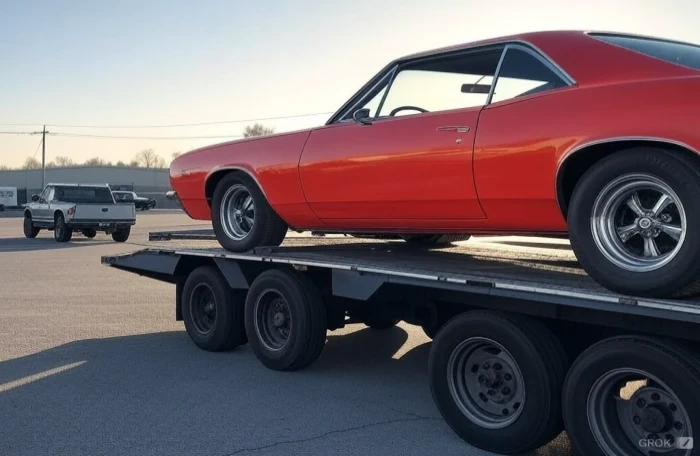
A licensed auto transport company moves your vehicle using a commercial carrier truck. These services are designed for convenience. You hand off your car, and professional carriers handle every step from pickup to delivery.
How It Works:
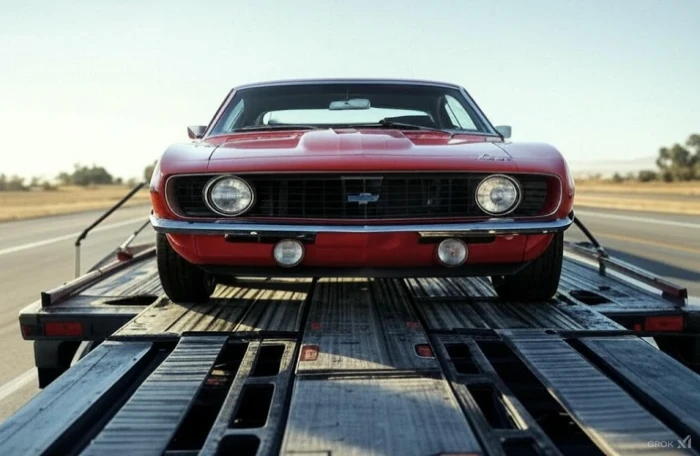
Your car is fully loaded onto a large trailer, either an open or an enclosed one.
All four wheels are secured off the ground, protecting your tires and suspension.
Professional drivers handle loading, transport, and unloading from start to finish.
Primary Benefit:
Maximum safety and zero road wear on your vehicle.
Ideal for long-distance moves, luxury cars, and electric vehicles.
Option 2: DIY Tow Dolly
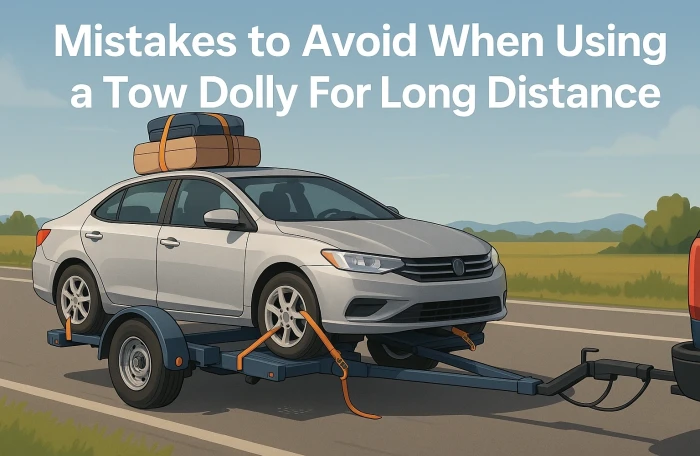
A tow dolly is a small, two-wheeled trailer you can rent. It is a budget-friendly way to move a drivable vehicle if you already have a tow-capable truck or are renting one.
How It Works:
The front wheels of your car are strapped onto the dolly.
The rear wheels stay on the road and roll as you drive your moving truck or tow-capable vehicle.
Primary Benefit:
Lower cost for short, local moves or temporary relocations.
Best for front-wheel-drive (FWD) vehicles that are lightweight and easy to tow.
Is It Safer to Ship a Car or Use a Tow Dolly?
It’s almost always safer to ship your car with a professional carrier because trained drivers handle the transport. Here’s a side-by-side comparison between towing with a dolly and using a professional car shipper:
Insurance and Who Pays if Something Goes Wrong
This is where professional shipping really pays off.

When You Use a Professional Car Shipper
Carrier Responsibility: Licensed carriers are required by federal law to carry cargo insurance that covers your vehicle while it’s in their care. If damage occurs during transit, the carrier’s insurance may provide coverage, provided proper documentation is completed at delivery.
Documented Protection: Before and after shipping, the carrier completes a detailed vehicle inspection report (Bill of Lading) with photos and notes on your car’s condition. It’s essential to inspect your vehicle at delivery and note any damage on the Bill of Lading before signing, to make sure any claims can be processed.
When You Use a Tow Dolly
Limited Coverage: The rental company’s insurance usually covers only the tow dolly, not the towed vehicle.
Personal Insurance May Not Apply: You’ll need to rely on your own auto policy, which may exclude towed vehicles or require a high deductible.
Full Liability Risk: If damage occurs because the car was not secured properly, you’re typically fully responsible for repair costs.
Vehicle Warning: When a Tow Dolly Becomes a Deal Breaker
Using a tow dolly isn’t always safe for every vehicle. In some cases, it can cause serious and expensive damage to your car’s transmission, drivetrain, or body. Here’s when you should avoid using a dolly and choose professional car shipping instead.
Is It Cheaper To Ship A Car Or Tow It Yourself
The cheaper option between shipping a car and towing it yourself depends entirely on the distance of the move, the value of your time, and the condition of your vehicle. Here’s how the cost of shipping a car vs renting a tow dolly in 2026 compares:

Factors Favoring Self-Towing (Cheaper for Shorter Moves)
Distance: Towing is more economical for shorter, local moves (e.g., within a few hundred miles) where the cost of a full transport service does not yet offer a significant per-mile discount.
Time Value: If your time is flexible, towing saves you the premium cost of professional shipping. The value of your time is not factored into the towing cost, but it is a major component of the shipping fee.
Existing Equipment: If you already own a vehicle with sufficient towing capacity and the necessary equipment (a trailer or dolly), your out-of-pocket rental or purchase cost is eliminated or significantly reduced.
Factors Favoring Professional Shipping (Cheaper for Longer Moves)
Vehicle Wear and Tear: Shipping avoids adding thousands of miles to your car, preserving its resale value and preventing the costs of maintenance, gas, and repairs associated with a long-distance drive or tow.
Fuel Efficiency and Towing Costs: On long trips, the significant reduction in fuel economy when towing a second vehicle, plus the cost of trailer rental and potential overnight stays, can quickly exceed the cost of a professional carrier.
Risk and Insurance: Professional shipping includes insurance coverage against damage and eliminates the stress and risk of a towing accident or breakdown, which can lead to expensive, unexpected costs.
Convenience and Time Savings: Shipping frees up your time to travel separately and manage other aspects of a long-distance move, which is often a significant hidden cost.
Final Thoughts: Why This Information Matters
Understanding the differences between professional car shipping and using a tow dolly helps you make a safer, more cost-effective decision for your vehicle. Knowing how each option affects your time, budget, and car condition allows you to plan your move with confidence and avoid expensive mistakes.
Ready To Move Your Vehicle The Smarter Way?
AmeriFreight Auto Transport coordinates shipments through a network of fully licensed and insured carriers, offering both open and enclosed transport options to fit your vehicle's needs and your budget.
Whether you're shipping cross-country or just a few states away, we help you compare rates and simplify the process from start to finish.
Get your free, no obligation quote now.
Frequently Asked Questions (FAQs)
Can you use a tow dolly for an all-wheel drive vehicle?
It is generally not recommended to use a tow dolly for an all-wheel drive (AWD) vehicle, as towing it with two wheels on the ground can damage the drivetrain unless the manufacturer explicitly states otherwise or the driveshaft is removed.
What is the safest way to move a car cross-country?
The safest way to move a car cross-country is generally to use a professional auto transport company, especially an enclosed carrier, as it minimizes exposure to road hazards and wear and tear.
What are the risks of using a tow dolly for 1000+ miles of travel?
The risks of using a tow dolly for 1000+ miles of travel include potential tire wear on the towed car's rear wheels, increased fuel consumption and wear on the tow vehicle, and safety issues like sway, especially for inexperienced drivers.