


A car vending machine operates as a high-density automated storage and retrieval system, similar to those used in large-scale logistics facilities. Instead of storing pallets or packages, it stores vehicles in vertically stacked bays, turning the structure into both a fulfillment center and a delivery point for completed online purchases.
This approach reflects a shift away from traditional dealership models. Inventory is centralized, tracked digitally, and delivered through controlled systems that prioritize efficiency and space utilization. The tower itself becomes the final step in a process that begins online, not on-site.

The Purchase Happens Before the Pickup
By the time a buyer arrives at a vending machine location, the transaction has already been completed. Vehicle selection, financing, and documentation are handled online, with the system assigning the car to a specific slot inside the structure.
This separation changes the experience. The machine does not sell the vehicle. It fulfills a transaction that is already finalized, which is why pickup is structured for speed rather than negotiation or paperwork.
What Happens Inside the Tower
Retrieval is driven by industrial automation rather than human handling. Each vehicle is stored on a reinforced platform designed to support different weights and dimensions. When the system is activated, a stacker crane moves along rails, traveling vertically and horizontally to locate the correct vehicle.
Precision sensors guide the crane, ensuring accurate alignment with the delivery bay before lowering the vehicle into place. The entire process is coordinated by warehouse software that tracks every vehicle in real time and executes movement commands with minimal delay, similar to systems used in automated warehouses.
This reduces the need for manual driving within the structure, which lowers the risk of minor damage during storage or retrieval.

Why Vertical Storage Changes the Economics
Traditional dealership layouts require large horizontal space to accommodate driving lanes, turning areas, and customer access. A significant portion of that space does not directly contribute to inventory storage.
Car vending machines eliminate most of that inefficiency by stacking vehicles vertically. This design can reduce land use by as much as 70 to 80 percent compared to conventional parking layouts.
The result is higher storage density within a smaller footprint, which directly affects operating costs and location flexibility.
How Automated Storage Compares to Traditional Dealership Layouts
These differences explain why automated towers are often placed on smaller or less conventional plots of land where a traditional dealership would not be feasible.
The Token Is About the Experience
The physical token used at many locations serves a psychological purpose rather than a technical one. The system could be activated digitally, but the act of inserting a token creates a defined moment of delivery.
For many buyers, this moment matters. A fully digital purchase can feel incomplete without a visible handoff, especially for a high-value asset like a vehicle.
Safety Systems Behind the Scenes
Car vending machines operate under strict engineering and safety standards similar to those used in automated parking and conveyor systems. Sensors verify that the delivery area is clear before any movement begins, while emergency stop systems allow operations to halt immediately if needed.
Redundant lifting mechanisms and fire protection systems are required under standards such as the NFPA 88A Standard for Parking Structures and the ASME B20.1-2024: Safety Standard for Conveyors and Related Equipment.
These safeguards are essential given that the system handles multi-ton vehicles in a fully enclosed environment.
Why Pickup Feels Fast
The speed of the experience comes from separating administrative work from physical delivery. Financing, verification, and documentation are completed before the scheduled pickup, which leaves only the retrieval step when the buyer arrives.
Once activated, the system can deliver the vehicle within minutes, which reflects how the process is designed for efficiency rather than in-person negotiation.
Where Efficiency Shows Up

Automation reduces several operational demands that exist in traditional dealership models. Centralized inventory lowers the need for large retail spaces, and controlled storage environments reduce exposure to theft and damage.
Retail volume through automated platforms has grown significantly, increasing from about 2,105 units in 2014 to more than 416,000 units annually in recent year. For buyers, the primary benefit is a more predictable and time-efficient process.
Pickup or Delivery Still Shapes the Experience
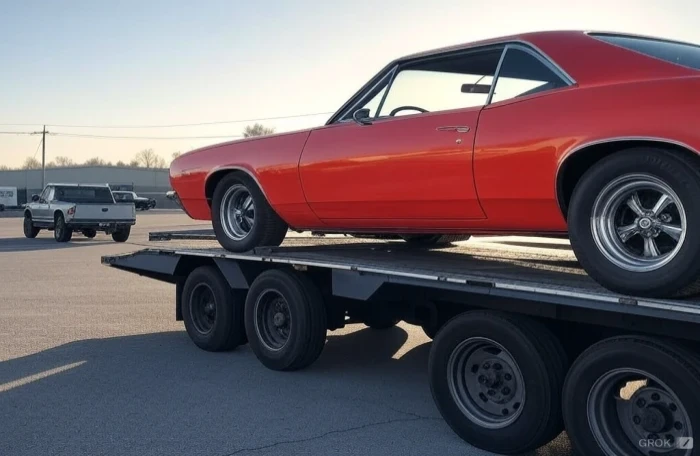
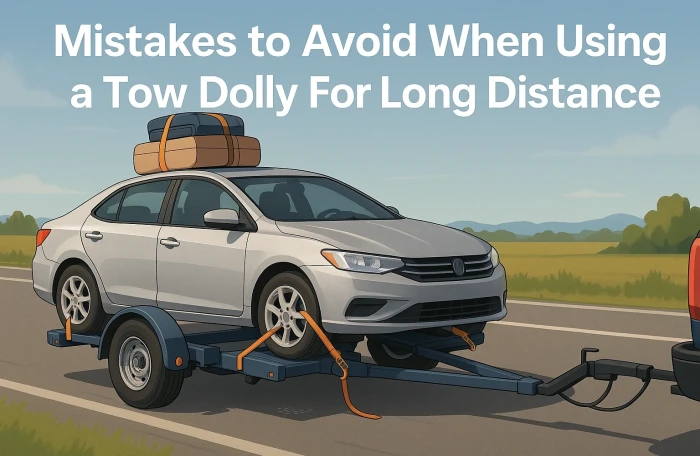
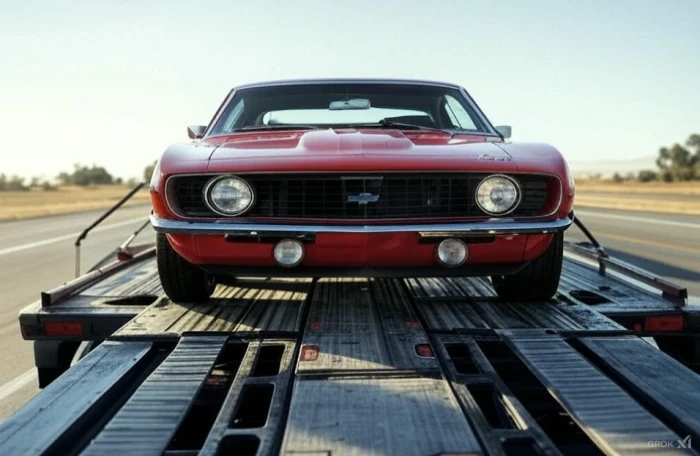
The vending machine is one of two common delivery options. If a buyer lives near a tower, pickup offers a direct handoff. If distance becomes a factor, the vehicle still needs to be transported from the storage location.
In those cases, using AmeriFreight Auto Transport allows the vehicle to be delivered without requiring travel to a vending machine site.
Who This Model Fits Best
This approach works best for buyers who prefer completing transactions online and minimizing time spent at physical locations. It removes negotiation and condenses the in-person portion of the process into a short visit.
It may feel less suitable for buyers who prefer to inspect or test drive a vehicle before committing.