

Moving a vehicle across the country sounds simple until the logistics come into focus. A long-distance drive adds thousands of miles to the odometer, stretches travel across several days, and introduces fatigue that can affect safety. The National Highway Traffic Safety Administration reports that drowsy driving contributes to thousands of crashes each year, and surveys show roughly 1 in 25 drivers admit they have fallen asleep while driving in the previous month.
Several practical options exist for relocating a vehicle. You can drive it yourself, hire a professional driver, ask a friend to handle the trip, or ship the vehicle using an auto transport carrier. Each option shifts the balance between cost, time, liability, and vehicle wear.
Driving the Car Yourself
Driving your own vehicle gives you complete control over the route and schedule. Stops happen when you want them to happen, and personal belongings can travel inside the car without restriction.
The financial picture becomes clearer once the distance grows. Fuel remains the largest expense. A 2,500-mile trip in a car averaging 25 miles per gallon requires roughly 100 gallons of gasoline. Based on national gasoline price data from the U.S. Energy Information Administration, fuel alone can easily reach several hundred dollars for a trip of that length.
Hotels add another layer of cost during multi-day drives. Even modest accommodations accumulate quickly when a drive requires several overnight stops. Meals, toll roads, and parking fees add smaller charges that gradually increase the overall travel budget.
Mileage also affects the long-term value of the vehicle. Pricing data used by dealerships shows that vehicle resale value declines as mileage increases, especially once a car crosses mileage thresholds buyers watch in the used market.
Mechanical wear follows the same pattern. Tires, brake components, and fluids experience additional stress during long highway trips. Unexpected repairs far from home can introduce towing costs and travel delays.
Driving works well when the distance is moderate or when the road trip itself is part of the move.

Hiring a Professional Driver
Some vehicle owners hire someone to drive the vehicle across the country. These services connect drivers with car owners who need long-distance transport.
The vehicle often arrives sooner than with multi-vehicle shipping since the driver focuses on a single vehicle rather than following a multi-stop transport route. Some services allow owners to ride along or move pets and luggage during the trip.
Cost rises quickly. The driver’s travel time, meals, lodging, and return transportation become part of the total expense. When those costs are combined, the total often exceeds the price of shipping the vehicle on a multi-car carrier.
The vehicle also accumulates the same mileage and mechanical wear that would occur during a self-driven trip.
Insurance deserves attention with this option. Many driver services do not include trip-specific coverage. Vehicle owners sometimes purchase short-term policies to protect both the driver and the vehicle during the trip.
Trust becomes part of the decision as well. Private drivers may not operate under the same regulatory structure that governs commercial vehicle transport carriers.
Asking a Friend to Drive the Car
Friends and family sometimes offer to help move a vehicle during a relocation. The arrangement can reduce upfront costs and offer flexibility that professional services may not provide.
The familiarity of a known driver can feel more comfortable than hiring a stranger. Personal belongings often travel inside the vehicle as well.
Liability remains with the vehicle owner if something goes wrong. Personal auto insurance policies typically follow the vehicle rather than the driver. Accidents or violations during the trip may still affect the owner’s insurance policy.
Mileage increases just as it would during any long road trip. Mechanical issues that occur during the drive remain the responsibility of the vehicle owner.
Travel delays can occur if plans change or unexpected issues arise along the route. Informal arrangements rely heavily on trust and clear expectations.
Shipping With Independent Auto Transport Carriers
Auto transport carriers specialize in moving vehicles long distances using multi-vehicle trailers. A single truck transports several cars at once, which spreads the operating cost across multiple shipments.
Two shipping methods dominate vehicle transport.
Open carrier transport moves vehicles on multi-level trailers exposed to normal road conditions. This remains the most common and widely used method for car shipping.
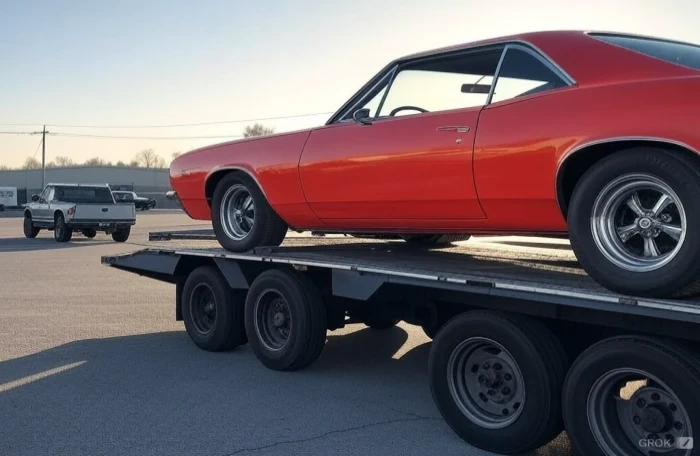
Enclosed transport places vehicles inside covered trailers that shield them from weather, road debris, and dust. Owners often select enclosed shipping for classic cars, luxury vehicles, or newly restored automobiles.
Shipping prevents the vehicle from accumulating thousands of additional miles. Reduced mileage helps preserve resale value and delays wear on tires, brakes, and drivetrain components.
Commercial transport carriers must maintain operating authority and safety compliance through the Federal Motor Carrier Safety Administration registration system.
Vehicles transported on a carrier are covered under the carrier’s cargo insurance while in transit. AmeriFreight Auto Transport offers optional gap protection plans that provide additional protection options during shipment.
Delivery dates follow estimated windows rather than guaranteed arrival times. Carriers coordinate routes that move several vehicles efficiently across different regions of the country.
Federal transportation rules also limit personal belongings inside transported vehicles. U.S. Department of Transportation safety rules restrict household goods inside transported vehicles because unsecured cargo and excess weight can create safety risks during transport.
Hidden Costs Most Drivers Underestimate

Driving across the country spreads expenses across several days rather than presenting a single bill.
Fuel remains the most obvious cost. Lodging becomes the next largest expense during multi-day drives. Meals, toll roads, and incidental travel costs accumulate gradually along the route.
Vehicle wear adds a longer-term financial impact. Tire replacement, oil changes, brake service, and suspension wear may occur sooner after a long cross-country drive.
Time away from work or personal obligations introduces another cost. Several days behind the wheel often require additional recovery time once the trip ends.
These expenses appear gradually throughout the journey rather than during the early planning stage.
What Actually Happens During Vehicle Shipping
Vehicle transport follows a structured process designed to document the condition of the car and protect both the vehicle owner and the carrier.
Pickup usually occurs within a scheduled window rather than a fixed appointment time. Carriers coordinate routes that move several vehicles along the same transportation corridor.
When the carrier arrives, the driver performs a vehicle inspection. Existing scratches, dents, and cosmetic marks are recorded on a document called the Bill of Lading, which serves as both the condition report and the transport agreement.
The vehicle is then loaded onto the carrier using hydraulic ramps designed for vehicle transport. The car travels with other vehicles on the trailer until the route reaches the delivery region.
A second inspection occurs at delivery. The driver and customer review the vehicle together and compare its condition with the original Bill of Lading.
This process helps verify the condition of the vehicle before and after shipment.
When Enclosed Transport Makes Sense
Open carriers move the majority of vehicles shipped across the United States. They remain the most widely available and cost-effective shipping option.
Enclosed transport becomes useful when vehicle protection takes priority over price. Collector vehicles, luxury cars, and restored classics often travel in enclosed trailers that shield them from weather exposure and road debris.
Enclosed trailers typically carry fewer vehicles per trip. Lower capacity increases transport cost while providing additional protection during shipment.
Owners often choose enclosed shipping when preserving vehicle condition carries greater importance than cost.
Preparing a Vehicle for Shipping
Preparing a vehicle for transport helps prevent delays during pickup.
Vehicles should arrive reasonably clean so drivers can clearly identify existing cosmetic marks during the inspection process. Personal belongings should be removed due to federal restrictions on household goods inside transported vehicles.
Fuel levels are typically kept around one quarter of a tank. This amount allows the driver to safely load and unload the vehicle without adding unnecessary weight to the carrier.
Mechanical issues should be disclosed before transport. Vehicles that are not fully operational can still ship, but the carrier must plan appropriate loading equipment.
Taking a few photos before pickup also creates a personal record of the vehicle’s condition prior to transport.
Time Considerations That Affect the Decision
Time often determines which option makes the most sense.
Driving across the country typically requires three to five days depending on distance and daily driving pace. Recovery time after the trip may add another day or two before routines return to normal.
Shipping allows the owner to travel separately while the vehicle moves with the carrier. Delivery windows commonly fall within one to two weeks depending on distance, route demand, and scheduling availability.
For many long-distance moves, avoiding several days behind the wheel becomes the deciding factor.
Ship Your Vehicle with AmeriFreight Auto Transport
AmeriFreight Auto Transport connects customers with licensed and vetted auto transport carriers operating throughout the United States. The company helps coordinate pickup windows, route planning, and delivery logistics for both open and enclosed vehicle shipping.
Customers may also choose optional gap protection plans that provide additional protection options while the vehicle is in transit.
Customer service agents assist with transport questions, scheduling details, and shipment preparation so customers can focus on their move while professional carriers handle the vehicle transport.