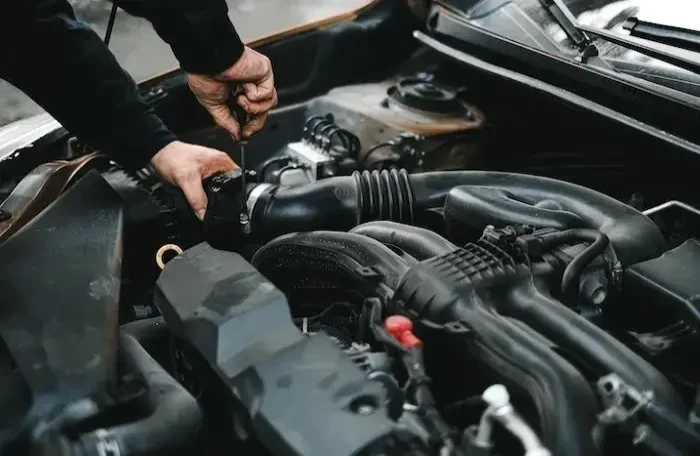

Preventive car maintenance works best when it stays ahead of wear rather than reacting after failure. When parts are allowed to break first, small issues often spread into larger system damage, leading to higher repair costs and unplanned downtime. A structured schedule based on mileage or time intervals keeps problems contained while they are still manageable.
This shift from reactive repairs to planned service reflects reliability-centered maintenance principles, where service timing follows known failure patterns instead of guesswork.
Components wear in predictable ways, and addressing them at the right interval protects connected systems while keeping the vehicle operating within safe limits.

Federal Standards Shape How Vehicles Are Maintained
Vehicle maintenance in the United States operates within a regulatory framework overseen by the Department of Transportation, including agencies such as the National Highway Traffic Safety Administration and the Federal Motor Carrier Safety Administration.
Commercial operators follow stricter requirements, including rules that mandate systematic inspection, repair, and maintenance of every vehicle in service, supported by structured compliance processes like the Safety Management Cycle.
Documentation plays a central role, since maintenance records support regulatory compliance, preserve resale value, and ensure accountability when safety issues arise. Maintenance therefore extends beyond mechanical work and depends on clear procedures, defined responsibilities, and properly trained personnel.
The Systems That Fail First, And Why They Matter
Engine Lubrication Determines Lifespan
Engine oil reduces friction, removes contaminants, and helps regulate temperature, but its effectiveness declines as additives break down over time.
Modern synthetic oils can last between 7,500 and 15,000 miles under normal conditions, although regular oil level checks remain essential to avoid internal damage. Running an engine with insufficient lubrication can damage pistons and bearings, which turns a routine service into a major repair.
Tires Control Safety And Fuel Use
Tires directly influence braking distance, traction, and fuel consumption, making their condition critical for both safety and operating costs.
Underinflated tires increase rolling resistance, forcing the engine to work harder and consume more fuel, while proper tire pressure can improve fuel economy by up to 3 percent.
Tread depth also plays a key role in wet-road performance, since reduced tread limits the tire’s ability to channel water away from the contact surface.
Brakes Fail Quietly, Then All At Once
Brake systems depend on friction and hydraulic pressure, with pads wearing gradually while brake fluid absorbs moisture over time, lowering its boiling point and increasing the risk of failure under stress.
Routine inspections help identify early warning signs such as noise, vibration, or reduced pedal response before more serious damage develops. Ignoring these signals often leads to rotor damage or full system failure, which significantly increases repair costs.
Cooling Systems Prevent Sudden Breakdowns
Cooling systems maintain engine temperature within a narrow operating range, and failure in any component can quickly lead to overheating.
Belts and hoses often fail under load rather than showing gradual wear, which is why replacement around 60,000 miles is commonly recommended to reduce the risk of sudden breakdowns.
Maintenance Works Best When It Follows A Structure
Tiered service schedules are widely used in fleet operations because different components require attention at different intervals.

Frequent inspections focus on safety checks and fluid levels, while intermediate services include oil changes and diagnostics, and annual inspections address alignment, system flushing, and component replacement.
This layered approach keeps maintenance predictable while distributing costs over time instead of concentrating them in emergency repairs.
Mechanical Failure Still Causes Thousands Of Crashes
While human error accounts for most crashes, vehicle condition remains a measurable factor that contributes to roadway risk.
Mechanical issues account for about 2 percent of crashes, which still represents tens of thousands of incidents each year.
Tire and wheel problems account for the largest share of these failures, followed by brake-related issues, both of which are preventable through routine maintenance.
Breakdowns introduce an additional layer of risk, since a disabled vehicle becomes a hazard for passing traffic, and between 2015 and 2021, 123 roadside assistance providers were killed while assisting stranded drivers.
Reducing breakdowns lowers exposure to these high-risk situations.
The Cost Difference Shows Up Over Time
Maintenance costs tend to remain steady, while repair costs can increase sharply when problems are left unaddressed.

Average annual maintenance, repair, and tire costs are around $1,000, although this varies by vehicle type and usage. The financial difference becomes clear with major failures, where a relatively low-cost timing belt replacement can prevent engine damage that would otherwise cost thousands to repair.
Skipping maintenance may appear to reduce short-term expenses, but it increases total ownership costs and shortens vehicle lifespan over time.
Fuel Efficiency Depends On Maintenance Quality
A properly maintained vehicle operates more efficiently, using less fuel and producing fewer emissions.
Fixing a faulty oxygen sensor can improve fuel economy by up to 40 percent, while maintaining proper tire pressure provides smaller but consistent gains. The Environmental Protection Agency reports that modern vehicles achieve higher fuel economy and lower emissions when maintained according to design standards.
Even small factors such as oil grade and excess vehicle weight influence efficiency, making routine maintenance a practical way to control fuel costs.
Data Is Replacing Guesswork In Modern Vehicles
Maintenance is gradually shifting toward predictive models, where sensors monitor system performance in real time rather than relying solely on fixed schedules. Telematics systems collect and transmit data on components such as oil life and tire pressure, allowing issues to be identified before they develop into failures.
Vehicle-to-vehicle and infrastructure communication adds another layer by allowing vehicles to share critical information, which can reduce the likelihood of secondary collisions during mechanical failures.
Work With A Shipping Partner That Values Vehicle Condition
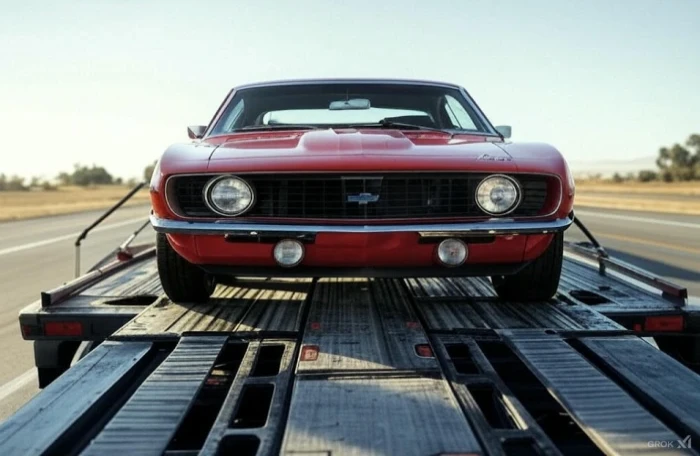
Preventive maintenance protects your vehicle before transport, but how it is handled during shipping matters just as much. A well-maintained car still needs careful loading, secure handling, and proper coordination to avoid unnecessary wear or damage in transit.
AmeriFreight Auto Transport works with vetted carriers who follow established safety standards and inspection protocols. Each shipment includes thorough condition checks before and after transport, so any changes are documented clearly. If you want added peace of mind, optional gap protection plans are available to help cover certain unexpected issues during the shipping process. Request a quote now!