
 Call Us:
  Email Us:
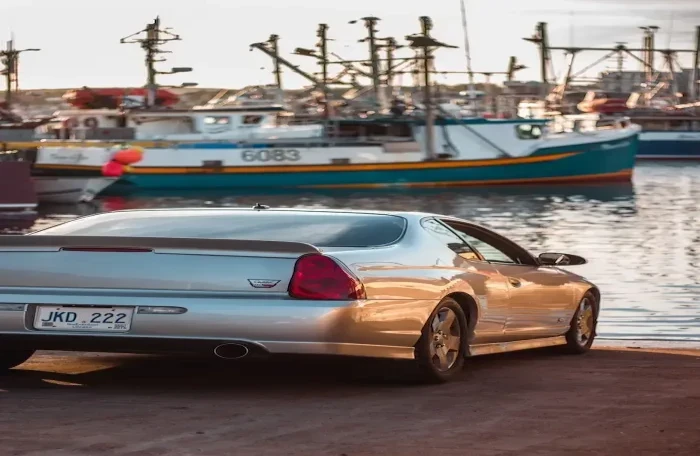
Most car shipping problems begin before the truck moves. Pickup paperwork, quote details, and unclear expectations drive most disputes. Protect yourself by treating the process like a documented transaction. Understand the Bill of Lading, verify credentials, choose the right trailer, prep the vehicle, and inspect carefully before signing.
That level of attention matters in a market where rates and timing are shaped by real economic pressure. Shipping a car across the country often costs around $1,250, with many routes landing between $500 and $2,000 depending on distance, timing, and service level.
According to ConsumerAffairs, the U.S. vehicle shipping services industry reached $9.9 billion in revenue in 2023.
Road transport dominates this market. Fortune Business Insights reports that roadways held a 75.97 percent share of automotive logistics transport, largely due to flexibility and door-to-door capability.
That same flexibility comes with real operating constraints. The American Transportation Research Institute reported the average marginal cost to operate a commercial truck hit $2.27 per mile in 2023, which is one reason quotes move with fuel and insurance cycles.
For customers, those market realities show up in specific moments. The difference between a smooth shipment and a dispute is often decided in how you handle paperwork, preparation, and final inspection.
Do: Treat the Bill of Lading like your evidence file
The Bill of Lading (BOL) is the condition report that drives claims and disputes. It is the document you will be judged against, not your memory of what the car looked like.

Before pickup:
Wash the car so chips, scratches, and dents are visible.
Take 30 to 50 time-stamped photos, including all sides, roof, wheels, interior, and the odometer.
Walk the vehicle with the driver and make sure every pre-existing mark is written on the BOL before anyone signs.
At delivery:
Inspect before signing the delivery BOL.
If damage is new, write it on the BOL and take photos immediately.
People lose leverage at delivery by rushing. If it is not noted at the moment you sign, proving it later gets harder fast.
Do: Verify credentials before you trust a quote
Auto transport usually involves two roles:
A broker, the intermediary that coordinates and assigns a carrier.
A carrier, the asset-based company that owns the truck and physically moves your vehicle.
The Federal Motor Carrier Safety Administration advises consumers to verify a transporter or broker using a carrier search and confirms that transporters are issued a USDOT number, and brokers and carriers also use an MC number as an authority identifier.
A broker’s financial responsibility matters too. Under federal rules, a property broker must have $75,000 in surety bond or trust fund security in effect.
Do: Pick the trailer type that matches your tolerance for exposure
Most everyday vehicles ship on open transport. It is the common option and typically easier to schedule. The tradeoff is exposure to weather and road debris.
Enclosed transport adds a physical barrier and is a better match for restored, collectible, exotic, or high-value vehicles where cosmetic protection matters more than cost.
If your vehicle’s condition is the reason you are moving it, enclosed transport is usually the safer choice.
Do: Prep the vehicle for safe loading, not for convenience
Carriers need a vehicle that can be loaded and secured safely. Small prep problems become pickup delays.
Before pickup:
Remove personal items. Carrier cargo coverage generally applies to the vehicle, not the contents.
Secure or remove loose exterior parts such as removable spoilers, antennas, and roof accessories.
Check tires, battery, and fluid levels. Fix active leaks.
Fuel level matters more than most people expect. The quarter-tank rule helps keep weight down while still allowing the driver to load and unload without issues.
If the vehicle is inoperable, disclose it early. Inoperable vehicles often need a winch, extra labor, and different loading plans, which affects cost and scheduling.
Don’t: Ignore how insurance market pressure affects claims and pricing
Pricing is not just mileage. Insurance cost trends show why carriers and brokers stay cautious on risk.
Risk Strategies notes that physical damage premium rates increased from 20 percent to 25 percent.
For consumers, that shows up in stricter claim scrutiny and tighter processes. The practical move is keeping documentation clean and immediate. Photos at pickup, notes on the BOL, and a careful delivery inspection do more for your outcome than any verbal reassurance.
Don’t: Pack the car, especially on major freight corridors
Using the car as a moving box creates two problems: coverage gaps and theft risk.
Most transport insurance covers damage to the car itself. If you put personal stuff inside the vehicle, those items are usually not covered by the carrier’s insurance or your own car insurance. You could pay out of pocket if they are lost or stolen.
Cargo theft is not evenly distributed. Verisk CargoNet’s reporting has consistently flagged risk concentration in high-traffic freight states. A 2025 cargo theft summary based on the Verisk report notes that California, Texas, and Illinois were the most targeted states, representing a large share of incidents.
Even if your shipment is not stopping in those states, a vehicle filled with visible boxes is an easier target at truck stops, yards, and distribution areas. Empty the cabin and trunk, and keep only items needed to operate the vehicle.
Don’t: Sign at delivery until you have looked like a claims adjuster
The delivery signature is a condition acceptance moment, not a courtesy.
Inspect in good lighting when possible.
Compare against your pickup photos.
Note any new damage on the delivery BOL before signing.
Photograph it immediately.
Most people feel relief at delivery and want to be done. That is exactly when mistakes happen.
Timing and EV Shipments
If your schedule is tight, plan for variability. Weather, routing, driver hours-of-service limits, and load consolidation all influence delivery windows.
EV shipments add another layer. EV adoption keeps growing, and the International Energy Agency reported that more than 20 percent of new cars sold worldwide were electric in 2024.
EVs are often heavier than comparable gas vehicles, which can affect trailer planning, tie-down approach, and weight-sensitive pricing on some lanes.
If you are shipping an EV, arrive at pickup with a healthy charge for loading and unloading, and disable battery-draining security modes before the driver arrives.
Disclaimer
This guide is for general information only. Auto transport rates, timelines, insurance coverage, and carrier procedures can vary by route, vehicle type, and individual company policies. Always confirm details directly with your broker or carrier, and review all shipment documents carefully before pickup and delivery.