


Yes, Missouri can be a good place to retire. Many retirees choose the Show-Me State for one simple reason: daily life costs less here than in many other states.
Housing prices stay well below the national average. Groceries, rent, and utilities also tend to cost less. For people living on retirement income, that difference can stretch savings further.
Life in Missouri can look very different depending on where you live. St. Louis and Kansas City offer busy city life, major hospitals, sports teams, and museums. Smaller towns move at a slower pace and often focus on local events and outdoor recreation.
The right choice depends on what matters most to you. Some retirees want strong medical access nearby. Others prefer quiet communities, nature, and lower housing costs.
Lower Living Costs Help Retirement Budgets
Missouri’s cost of living sits about 11 percent below the national average. Housing creates most of that gap. The average home price is about $255,937. The national average is about $359,241.

Rent also runs slightly lower.
Other daily expenses follow a similar pattern.
Taxes also affect retirement income. Missouri does not tax Social Security benefits. Military pensions are also exempt from state income tax.

Those rules can leave retirees with more money each month. Still, property taxes, insurance, and healthcare costs vary by area. Careful budgeting remains important.
City Energy or Small-Town Pace
Missouri offers both city life and small-town living.
St. Louis and Kansas City provide concerts, museums, sports, and major hospitals. Restaurants and markets create steady activity in many neighborhoods.
Smaller towns feel different. Local festivals, historic sites, and regional traditions shape daily life.
Jefferson City, the state capital, preserves many historic buildings. Temple Beth El stands there as the oldest synagogue west of the Mississippi still in use since 1883.
Hannibal celebrates its Mark Twain history every July during National Tom Sawyer Days. The town hosts parades, contests, and fireworks tied to the author’s stories.
Barbecue culture also runs deep in Missouri. Wine trails along the Missouri River bring visitors to small towns with vineyards and historic districts.
Parks, Lakes, and Medical Access
Nature plays a large role in daily life across Missouri.
Retirees can hike forest trails, explore caves in state parks, fish in rivers, or spend time around Ozark lakes. Many communities sit near green spaces and outdoor areas.
Medical care improves near large cities. Barnes-Jewish Hospital in St. Louis offers specialized programs for older adults. These programs treat conditions such as Alzheimer’s disease and osteoporosis.
Centerpoint Medical Center near Kansas City provides emergency care, heart services, and treatment for chronic illness.
Smaller towns often rely on regional hospitals. Some specialized care requires travel to larger cities.
Severe Weather Is Part of Life
Missouri sees strong storms during the year.
The state averages more than 30 tornadoes annually. Most occur in spring and early summer. Floods, severe storms, and winter ice also appear from time to time.
Preparation matters. Many households keep emergency kits with water, food, medications, flashlights, and copies of key documents.
Cold weather also affects driving. Batteries weaken in low temperatures. Many residents keep blankets and safety supplies in their vehicles during winter.

Rural Areas Often Require Driving
Public transit remains limited outside large cities. In many towns, a personal vehicle becomes necessary for errands, groceries, and medical visits.
Travel distance can affect healthcare access. Some residents drive more than 100 miles round trip to see specialists.
Local programs help reduce some travel. Missouri’s Area Agencies on Aging connect residents with transportation services. Many hospitals also offer telehealth visits for routine care.
Retirement-Friendly Cities in Missouri

Columbia
Columbia combines college-town energy with outdoor access. The city sits near the Missouri River and includes parks, trails, and green spaces.
The University of Missouri shapes much of the city’s culture and events.
Branson
Branson sits in the Ozark Mountains and focuses on live entertainment. Dozens of theaters host music, comedy, and variety shows throughout the year.
Lakes and outdoor recreation also attract many visitors.
Lee’s Summit
Lee’s Summit lies near Kansas City and offers suburban living with parks and lakes nearby. Healthcare access remains strong with facilities such as Saint Luke’s East Hospital.
Retirement communities in the area offer independent living and memory care services.
St. Louis
St. Louis sits along the Mississippi River and holds many cultural landmarks.
Forest Park anchors much of the city’s outdoor life. It includes the Saint Louis Zoo and several museums with free admission.
Historic neighborhoods, food markets, and riverfront views give the city a strong identity.
Sedalia
Sedalia sits in central Missouri among wide prairie landscapes. Highway routes make travel to larger cities fairly easy.
The historic downtown includes rail depots, museums, and preserved Victorian buildings. The Missouri State Fair takes place here each year.
Town and Country
Town and Country lies in western St. Louis County. Large homes, open green space, and quiet streets shape the community.
Parks and preserved land give the area a rural feel while still staying close to St. Louis.
Missouri Offers Comfort With Some Tradeoffs
Missouri gives retirees a mix of affordability and lifestyle options. Cities offer strong hospitals and cultural life. Smaller towns provide quiet communities and outdoor space.
The state also brings challenges. Severe weather occurs each year. Rural areas require driving for many daily needs.
For many retirees, lower living costs and strong community life make Missouri a practical choice.
Moving Your Vehicle to Missouri
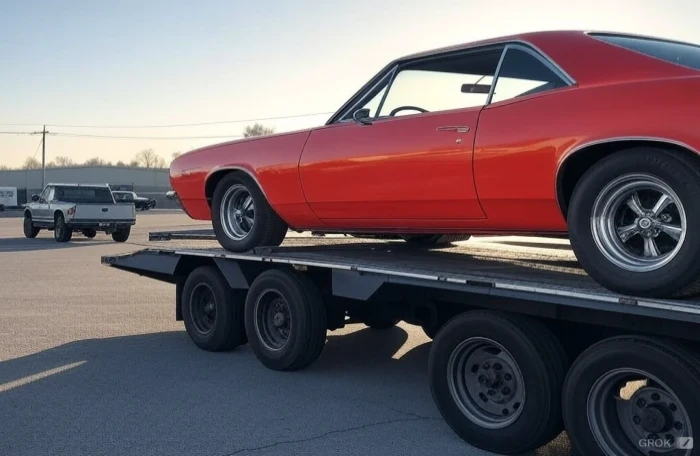
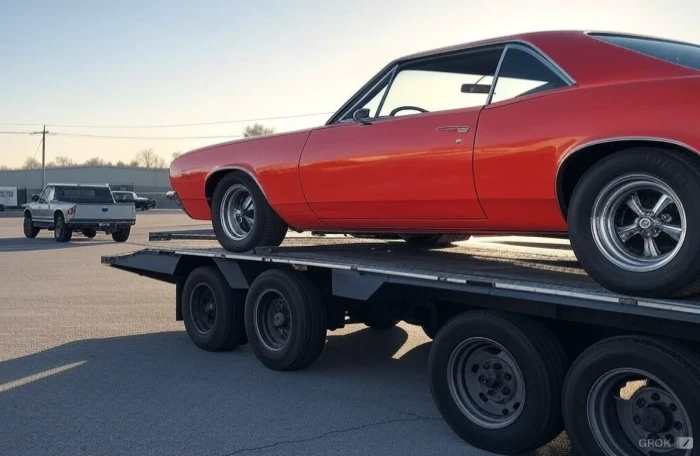
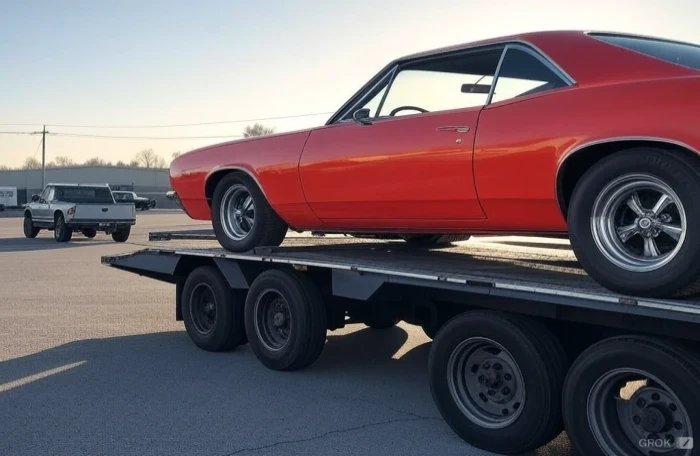
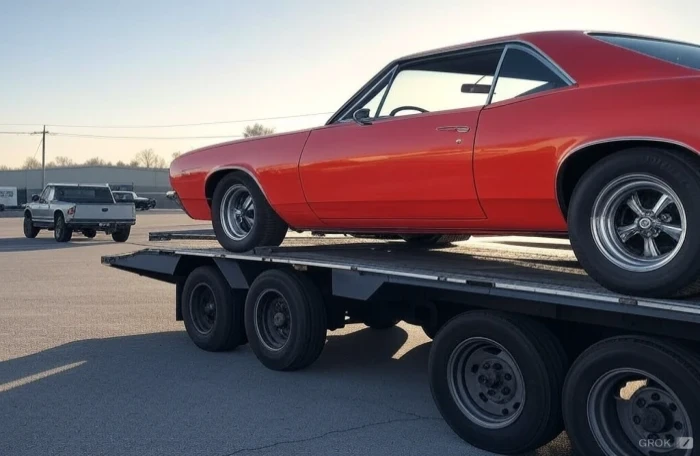
If you are relocating for retirement, having your own vehicle can make daily life easier in Missouri. Many towns and rural areas rely on driving for errands, medical visits, and travel between communities.
AmeriFreight Auto Transport coordinates vehicle shipments through licensed carriers across the country. Whether you are moving to St. Louis, Kansas City, Columbia, or a smaller Missouri town, customer service agents help arrange transport based on your schedule and location.
You can request a free Missouri car shipping quote to plan your move and review your shipping options before your relocation date.
Disclaimer
This information is provided for general informational purposes only and does not constitute legal, financial, or professional advice. Laws, regulations, insurance requirements, and local conditions can change. You should consult qualified professionals before making financial or legal decisions related to retirement or relocation.