Reviewed and approved by AmeriFreight Auto Transport leadership. Researched and written by our content team, with industry input from AmeriFreight Auto Transport's executive leadership.
Read more about our team
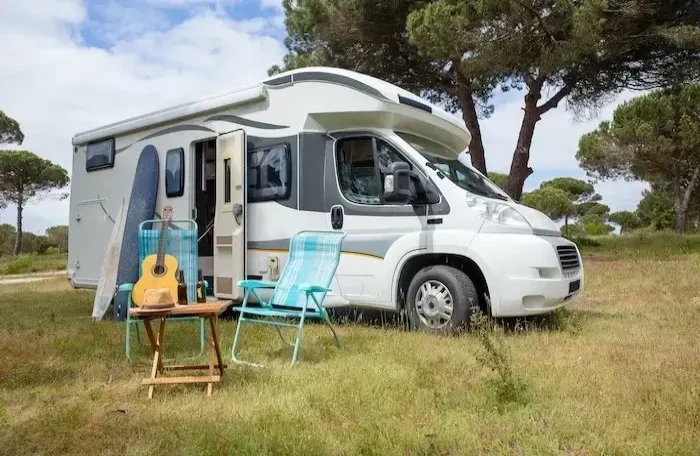
Moving a recreational vehicle (RV) or travel trailer can be challenging, especially when balancing cost, timing, and peace of mind. Between choosing the right transport method, preparing your unit for pickup, and understanding insurance coverage, there’s a lot that can go wrong without guidance.
This guide simplifies the process by breaking down the key challenges RV owners face and offering practical solutions to help ensure your RV arrives safely and on budget.
What You’ll Learn
In this guide, we will answer:
What is the cost to ship a travel trailer, and what factors influence pricing?
What are the main differences between tow-away, flatbed, and drive-away transport methods?
How can you properly prepare your RV or travel trailer for professional transport?
Overview
Shipping an RV cross-country takes planning and depends on factors like cost, timing, RV type, and level of protection. Here’s a quick overview of what to know.
Cost of Transporting an RV Average costs vary by the RV’s size, weight, transport method, route, and season. Larger or inoperable RVs usually cost more due to special permits and equipment.
RV Transport Methods Compared
Tow-Away: A professional tows your trailer or fifth wheel directly. Best for standard, roadworthy RVs and usually the most affordable option.
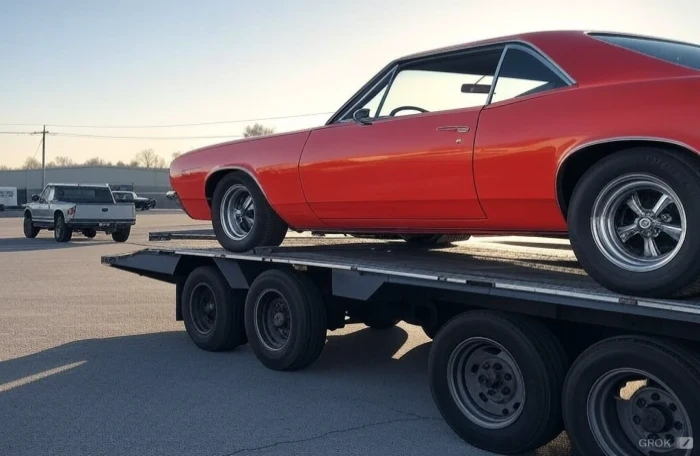
Flatbed/Lowboy/Step-Deck: The RV is loaded onto a trailer for extra protection from weather and debris. Ideal for non-running or oversized RVs, but more expensive.
Drive-Away: A driver operates your motorhome to the destination. Adds mileage but works for roadworthy Class A, B, or C motorhomes.
Preparing Your RV for Transport Secure all loose items, lock cabinets and slide-outs, shut off utilities, and drain tanks. Check lights, tires, and towing equipment, and take photos of your RV’s condition before pickup.
RV Transport Insurance Carrier insurance covers damage caused by the transporter’s negligence but not personal items, pre-existing damage, or poor prep. Always inspect and document your RV upon delivery before signing.
How Much Does It Cost to Transport an RV?
Prices fluctuate based on real-time market factors. These factors influence how your quote will be presented. Here are the key factors that affect your final price:
RV Type & Size/Weight: A large Class A motorhome or an oversized fifth wheel costs more than a small travel trailer. Heavy, wide, or tall units may require special permits and equipment.
Transport Method: Tow-away is usually the most cost-effective way to move a fifth wheel or travel trailer, while flatbed/lowboy transport is the most expensive.
Route Density & Seasonality: Traveling between major metropolitan areas is more affordable than traveling on remote, rural routes. Peak season (Spring/Summer) often sees higher rates due to demand.
Condition: Inoperable or non-roadworthy units require specialized loading and flatbed transport, adding to the cost.
RV Transport Methods Compared
Choosing the proper transport method is important for safety and cost. The main options depend on whether your unit is towable and its size.
Tow-Away: What It Is, When It Fits
In a tow-away service, a professional driver uses their commercial-grade truck to simply tow your travel trailer or fifth wheel directly to its destination.
Best For: Standard travel trailers and most fifth wheels.
Requirement: The RV must be fully roadworthy, including good tires, functioning brakes/lights, and a clean title. The carrier must have the correct hitching equipment.
Cost: The most economical option.
Flatbed/Lowboy/Step-Deck: Pros & Cons
This method involves loading your RV onto a specialized trailer (flatbed, step-deck, or lowboy) and securing it for transit.
Pros
Cons
Maximum Protection: Shielded from road debris, weather, and wear-and-tear.
Highest Cost: Requires specialized equipment, permits, and more loading time.
Handles Immobile Units: Ideal for non-running, damaged, or vintage RVs.
Longer Lead Time: Scheduling special trailers can take longer than a tow-away.
No Mileage Added: Odometer remains untouched.
Oversize Concerns: Exceeding standard dimensions may trigger additional permit requirements.
Drive-Away: For Drivable Motorhomes
For Class A, B, or C motorhomes, a drive-away service is used. A vetted professional driver pilots your motorhome directly to the destination. But this method adds mileage to the odometer. It's only possible if the motorhome is roadworthy, fully insured, and has a clear title.
Quick Comparison Table
Here's a comprehensive comparison of the RV shipping methods:
Feature
Tow-Away
Flatbed/Lowboy
Drive-Away
Suitable For
Travel Trailers, 5th Wheels
All RVs (Especially Oversized/Inoperable)
Drivable Motorhomes
Exposure
High (Road conditions, weather)
Low (Protected)
High (Road conditions, weather)
Cost Tendencies
Lower (Best value for towables)
Highest (Premium security/service)
Mid-Range (Dependent on fuel/mileage)
Delivery Flexibility
High (More drivers available)
Lower (Specialized scheduling)
High (Direct, point-to-point)
Permit Needs
Only for large/oversize units
Often required for large units
Rarely, unless towing a vehicle
Prepare Your Travel Trailer for Professional Transport (Checklist)
A professional carrier can handle the drive, but preparing your unit is essential to prevent damage. Follow this checklist to have a smooth and damage-free move.
Interior Checklist
Remove or Secure All Loose Items: The biggest risk of damage is unsecured belongings. Box up and remove dishes, electronics, decorations, and any other items not bolted down.
Lock All Cabinets & Drawers: Use child-proof latches, painter's tape, or rope to keep all doors and drawers securely closed.
Shut Down Utilities: Turn off the main gas supply valve, shut off all electrical appliances, and confirm the main power is disconnected.
Drain & Turn Off Water: Turn off the water pump and drain water tanks (fresh, grey, and black) to prevent excess weight and sloshing.
Exterior Checklist
Lock Slide-Outs and Awnings: Confirm all slide-outs are fully retracted, securely locked, and stowed. Fully stow and secure the awning; consider tying it down with straps if you have concerns about its stability.
Secure Doors & Windows: Latch and lock all entry doors, baggage compartment doors, and windows.
Verify Lights and Signals: Confirm brake lights, turn signals, and running lights are all fully functional. This is a legal requirement for tow-away transport.
Tire Pressure & Lug Torque: Verify all tires (including spares) are inflated to the recommended PSI. Check that all lug nuts are tightened to the correct torque.
Mechanical & Towing Readiness
Inspect Hitch & Tow Bar: For fifth wheels, make sure the kingpin is clean and undamaged. For travel trailers, confirm the coupler is ready for the carrier's hitch.
Check Fluids/Leaks: Top off any necessary fluids in a motorhome. For all units, check for any visible fluid leaks that could worsen during transit.
Document Condition: Take detailed, date-stamped photos and videos of the interior and exterior before the carrier arrives. This documentation is vital for any potential insurance claims.
RV Transport Insurance: What’s Covered?
Understanding insurance is important, as your personal RV policy may not cover damage incurred while a commercial carrier is moving it.
Carrier's Primary Cargo Coverage
Carrier liability insurance, as mandated by the Department of Transportation (DOT), typically applies to physical damage caused during transit.
Common Exclusions
Carrier’s cargo insurance is designed to cover damages from sudden, unforeseen events during transport, not every possibility. This excludes the following:
Personal Items: Electronics, clothes, dishes, or other belongings left inside the RV. Regulations prohibit carriers from transporting personal items inside RVs. These items are not covered and may result in delays, fines, or damage.
Pre-Existing Damage: Any dents, chips, or mechanical issues already present before pickup. This is why detailed pre-transport photos are recommended.
Wear & Tear from Towing: Damage caused by road vibration, loose components, or a blown tire due to pre-existing poor condition (for tow-away units).
Damage from Improper Preparation: Damage caused by loose cabinets, unsecured slide-outs, or objects left inside is typically excluded from coverage.
How to File a Claim (Step-by-Step)
Inspect at Delivery: Upon arrival, thoroughly inspect your RV. Do not sign the Bill of Lading (BOL) until you have done a complete walk-around.
Document Damage: If damage is found, document it immediately on the Bill of Lading (BOL) before signing. Take photos and video of the new damage.
Report the Claim: Contact the transport broker immediately. Be sure to document any damage on the Bill of Lading before signing. This step is essential for any potential insurance claim to be processed.
Carrier Investigation: The claim is submitted to the carrier's insurance for investigation and processing.
Cheapest Way to Move a Fifth Wheel (Without Cutting Corners)
While flatbed shipping offers maximum protection, tow-away transport is almost always the cheapest way to move a fifth wheel or travel trailer. Here are a few ways to secure the best rate without sacrificing safety:
Be Flexible with Dates: If you can offer a wider pickup window (five to seven days) instead of a specific date, carriers can better fit your shipment into their existing routes, which reduces the cost.
Choose Tow-Away: If your fifth wheel is roadworthy, choosing a reliable tow-away service will be significantly cheaper than a flatbed.
Provide Accurate Specs: Know the exact length, height, and weight. Understating dimensions can lead to re-quotes and delays later, costing you more.
Use Metro Meet-Ups: If your pickup/delivery is in a very remote area, meeting the carrier at a larger, easily accessible location (such as a truck stop or RV dealership) on a major highway can help reduce accessorial fees.
How Long Does RV Delivery Take?
Professional RV transport averages between 500 and 600 miles per day. This general rate is heavily influenced by several factors that can add time to the estimated arrival.
What Affects RV Transport Timing
Key factors that determine your final delivery ETA include:
DOT Driving Limits: Commercial drivers are legally required by the Department of Transportation (DOT) to adhere to strict Hours-of-Service (HOS) rules, which limit their daily driving time to approximately 11 hours and mandate mandatory rest breaks.
Route/Weather Constraints: Adverse weather conditions (such as snow, heavy rain, or high winds) or unexpected road closures can significantly slow down transit times, particularly for large vehicles.
Pick-up and Delivery Access: Complex or remote pick-up/drop-off locations (like difficult-to-navigate campgrounds or back roads) can consume hours of the driver's day, reducing the total miles covered.
Carrier Scheduling: If the carrier has other stops before or after yours, their routing may not be a direct line, which can add a day or two to the overall delivery window.
Final Thoughts: Ship Smart, Travel Far
Transporting your RV doesn’t have to be stressful. With the right preparation, transport method, and carrier, you can move your RV safely and confidently anywhere in the country.
Ready to Ship Your RV?
AmeriFreight Auto Transport identifies and vets specialized carriers that possess the proper insurance and equipment for your specific RV type, whether it’s a Class A motorhome or a pull-behind trailer.
We help coordinate logistics with experienced, DOT-authorized transporters so you can ship with confidence.
Is tow-away cheaper than flatbed for travel trailers?
Yes. Tow-away transport is more affordable because the carrier tows your trailer directly, while flatbed service costs more and is reserved for non-roadworthy or oversized units.
How do I prepare my RV for professional transport?
Remove all loose items, lock cabinets and slide-outs, drain water tanks, disconnect propane and batteries, secure all doors and windows, and take pre-shipment photos.
What does RV transport insurance cover?
Carrier insurance covers damage caused by the transporter’s negligence, but not personal items, pre-existing damage, or issues from poor preparation.
What’s the most economical way to move a fifth wheel?
Utilize a reliable tow-away service with flexible scheduling and accurate measurements to reduce transportation costs.
How soon should I book my RV transport?
Book two to four weeks in advance to secure a carrier during busy seasons and periods of high demand for RV transport.
Service Update:
We do not ship boats, RVs, or travel trailers between April 1 and September 30 due to peak-season capacity limits. These services resume on October 1. If you have other vehicle shipping needs, feel free to request a quote anytime.