


Customer Retention in Car Dealerships: Your Ultimate Guide
Customer retention in car dealerships has moved beyond price comparisons. Fixed operations marketing used to rely heavily on discounts and reminders. That approach no longer holds when customers can easily compare experiences and convenience.
Service retention now plays a central role in dealership profitability. Nearly 49 percent of gross profit comes from service departments, yet visit volume has declined by 12 percent since 2018. This gap explains why many dealerships stay busy but struggle to grow consistently.
At the same time, the opportunity continues to expand. The average vehicle on U.S. roads is now 12.8 years old. Older vehicles require more maintenance and repairs. The real question is where customers choose to have that work done.

The Retention Gap That Starts Too Early
The most critical moment for automotive customer loyalty happens immediately after the sale. Only 25 percent of buyers leave with their first service appointment scheduled. That missed step creates a ripple effect. Without a clear return visit, customers delay maintenance and often look elsewhere when the need arises.
This early disconnect contributes directly to the first-appointment gap. By 2025, service retention for vehicles under two years old dropped to 54 percent, down from 72 percent in 2023. That decline is not minor. It signals a breakdown in the sales-to-service handoff.
The impact extends beyond service revenue. A customer who returns for service is 74 percent more likely to purchase their next vehicle from the same dealership. When that relationship weakens early on, the customer's long-term value declines significantly.

Why Customers Leave Even When Pricing Is Competitive
The average dealership repair cost is $261, while independent shops average $275. Despite this, customers continue to shift toward independent providers. The deciding factor is not price. It is time and ease of use.
Dealership visits often take between 1.61 and 2.46 hours. Many aftermarket visits are completed in less than an hour. That difference shapes perception. Customers measure convenience in time lost, not dollars spent.
The competitive landscape reinforces this behavior. With about 299,000 auto repair businesses operating across the U.S., customers have no shortage of alternatives. The convenience gap in automotive service becomes more pronounced as options increase.
The 72 Percent Threshold Most Dealerships Miss
The NADA 72 percent service retention benchmark represents a tipping point rather than a stretch goal. Dealerships below this level tend to operate in a cycle of replacement. They must continuously acquire new customers to offset those who leave. Customer acquisition cost often reaches $633, while customer retention cost can remain under $100.
This imbalance highlights why retention drives dealership profitability. A five percent increase in retention can boost profits by 25 percent to 95 percent. The financial impact is immediate and measurable.
Each retained customer also carries long-term value. Customer lifetime value averages around $47,700. Losing one customer can result in more than $12,000 in lost service revenue, not including future vehicle purchases.
Trust Is Built Through Visibility, Not Promises
Multi-point inspection transparency plays a major role in shaping customer trust. When customers receive photo or video evidence during inspections, the outcome changes. Average repair order value increases by about $230, and approval rates rise by 49 percent. These shifts are not driven by persuasion. They come from clarity.
Visual proof removes uncertainty. Customers no longer rely solely on verbal explanations. Instead, they can see the issue for themselves, which leads to more confident decisions.
Without this level of transparency, hesitation grows. Customers delay work, question recommendations, or seek second opinions elsewhere.

Retention Economics Are Clear and Compounding
Customer acquisition cost versus customer retention cost presents one of the clearest contrasts in the industry. Acquiring a new customer can cost 5x to 25x as much as retaining an existing one. Retention efforts, on the other hand, tend to be more predictable and less expensive.
Loyal customers also behave differently. They return more frequently and spend more during each visit. Loyalty program members, for example, spend 37 percent to 47 percent more than non-members.
This is why automotive customer loyalty programs can be effective when designed properly. Structured systems such as points programs, tiered rewards, and prepaid maintenance plans influence long-term behavior. Prepaid maintenance stands out because it removes repeated decision-making, making service visits automatic rather than optional.

The Service Lane as a Sales Engine
The service lane remains one of the most underutilized opportunities for increasing revenue. Customers begin to reconsider repairs when estimates approach $3,195. At that point, the decision shifts from maintenance to replacement. Offering a trade-in evaluation at this moment aligns with the customer’s mindset.
This is where equity mining in the service lane becomes practical. Instead of waiting for customers to shop elsewhere, dealerships can engage them when they are already weighing their options.
Increasing the service-to-sales conversion rate depends heavily on recognizing this timing and acting on it appropriately.
Digital Experience Is Now Expected
Customer expectations around service interactions have changed significantly. Many customers now expect to schedule appointments online, approve estimates digitally, and access service history without calling or visiting the dealership. When these options are not available, the experience feels outdated and inconvenient.
Service AI and scheduling tools help bridge this gap. These systems typically range from $99 to $2,500 per month, depending on features and scale. The value lies in reducing friction, not just adding functionality.
A smoother digital experience often determines whether a customer returns or looks elsewhere.
Data Blindness Is a Hidden Risk
A major challenge for many dealerships is incomplete customer data. Approximately 92 percent of automotive sales remain untraceable in traditional CRM systems. Without accurate data, communication becomes generic and less effective.
An automotive CRM implementation roadmap should begin with data quality. Clean, organized data enables dealerships to send timely, relevant messages. That precision improves engagement and supports retention. Without it, even well-designed outreach strategies lose impact.
Electric Vehicles Change Retention Dynamics
The impact of electric vehicles on dealership service visits introduces a different retention pattern.
EV owners rely on dealerships for 67 percent of their service visits, compared to 28 percent for internal combustion engine vehicles. This difference is largely due to the specialized knowledge and equipment required for EV maintenance.
Service visits for EVs also tend to be more expensive, with average out-of-pocket costs of around $417. These visits often create opportunities for broader conversations, including trade-ins and upgrades.
Brand Retention Is More Fragile Than It Appears
The national average brand retention rate sits at 43.9 percent. This means more than half of customers switch brands when purchasing their next vehicle.
Service retention directly influences this behavior. Strong service relationships increase the likelihood that customers stay within the same brand. Weak service experiences, on the other hand, make switching easier and more likely.
The Dealerships That Win Remove Friction
Customer retention improves when the overall experience feels predictable and manageable. Dealerships that perform well in this area focus on closing the sales-to-service handoff, reducing unnecessary delays, providing clear and visual communication, and using data to reach customers at the right time.
The opportunity is significant, but it requires consistency. Retention rarely fails because of a single issue. It declines through small frustrations that build over time. Addressing those points of friction creates a stronger, more durable relationship with customers.
Shipping Your Car with AmeriFreight Auto Transport
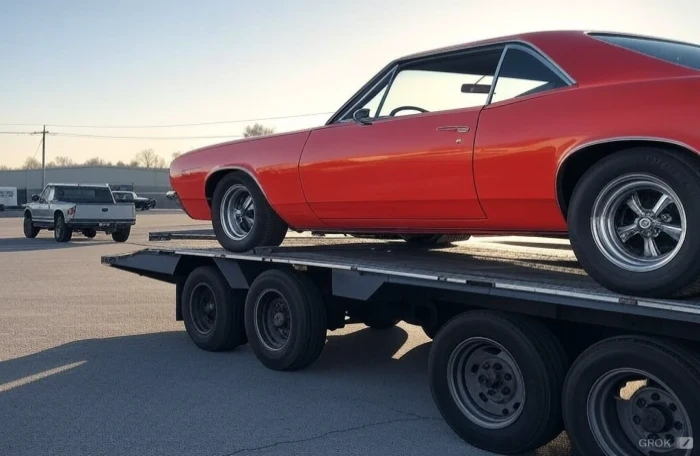
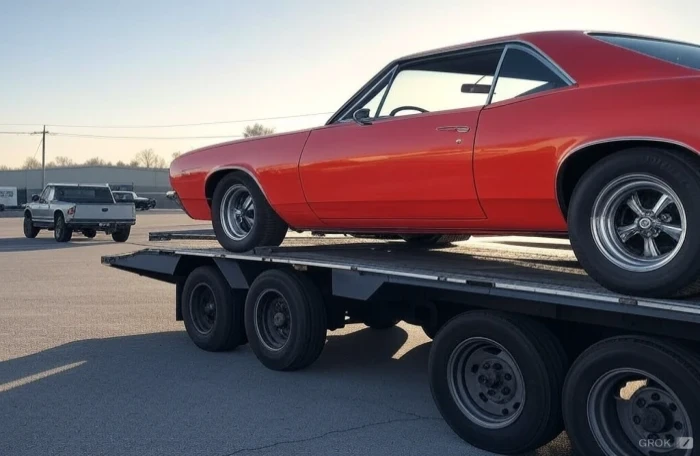
Customer retention does not stop at service visits. It carries into moments when customers relocate, buy out of state, or need to move a vehicle. These situations test the same factors that drive loyalty. Clarity, timing, and ease.
AmeriFreight Auto Transport supports that experience by removing common friction points. There is no upfront payment until you choose a carrier. Customers can review options first, then decide without pressure.
The process mirrors what customers expect from a well-run dealership. Clear communication, simple steps, and no unnecessary complexity. Customer service agents guide the shipment without overwhelming the customer, which helps maintain confidence throughout the move.
Get your free, no obligation quote today.
Disclaimer
This content is for informational purposes only and reflects general industry trends. Individual dealership results may vary based on operations, market conditions, and customer behavior. Pricing, timelines, and outcomes are not guaranteed.