

Seasonal auto relocation is the planned transport of a vehicle during times of the year when seasonal demand shifts carrier capacity, route density, pricing pressure, and weather risk.
AmeriFreight Auto Transport supports seasonal auto relocation through open carrier transport and enclosed carrier transport. AmeriFreight Auto Transport uses market-based dispatch matching. No upfront payment until you choose a carrier.
Seasonal auto relocation differs from routine car shipping. Seasonal demand changes the number of available trucks on a lane and changes how quickly a carrier accepts a load.
Seasonal Demand Patterns That Shape Auto Transport
Seasonal demand patterns influence peak season and off-peak conditions in auto transport. Peak season in the United States aligns with heavier relocation cycles tied to broad mobility trends tracked through the U.S. Census Bureau migration data.
Carrier capacity tightens when many households relocate during the same window. Carrier capacity tightens again on high-density lanes where inbound and outbound moves concentrate during the same months. Dispatch times expand during peak season when trailers fill quickly.
Off-peak seasonal auto relocation occurs during late fall and winter outside major holiday surges. Off-peak demand expands carrier availability on many lanes. Off-peak demand improves pickup flexibility when route density drops.
Seasonal demand changes by region. Southern corridors experience winter relocation pressure tied to seasonal migration. Northern corridors experience winter slowdowns tied to severe driving conditions and lane disruption.

Pricing Models and Why Rates Move During Peak Season
Auto transport pricing follows a per-mile rate structure in many lanes. Per-mile rate behavior shows lower per-mile figures on longer distances due to dispatch and loading costs spreading across more miles.
Seasonal auto relocation pricing reflects carrier capacity and route density. Peak season pricing rises when fewer open trailer slots exist per shipment. Off-peak pricing softens when carriers seek steady utilization on return routes.
Pricing terms used in seasonal auto relocation are listed below.
Per-Mile Rate: Distance-based pricing structure where per-mile amounts decline on longer routes due to cost distribution across more miles.
Flat-Rate Fee: Minimum charge used on short-distance car shipping where per-mile totals fall below carrier operating costs.
Route Density: Concentration of shipments on a lane that affects how quickly a carrier fills a trailer and commits to dispatch.
Carrier Capacity: Available trucks and trailer spaces competing for loads, which increases pricing pressure during peak season.
Vehicle Size Class: Standard or oversized dimensions that reduce trailer efficiency and raise total auto transport cost.
AmeriFreight Auto Transport does not offer exact quotes. AmeriFreight Auto Transport provides pricing tied to lane conditions and carrier availability at the time of dispatch matching.

Transport Options Used in Seasonal Auto Relocation
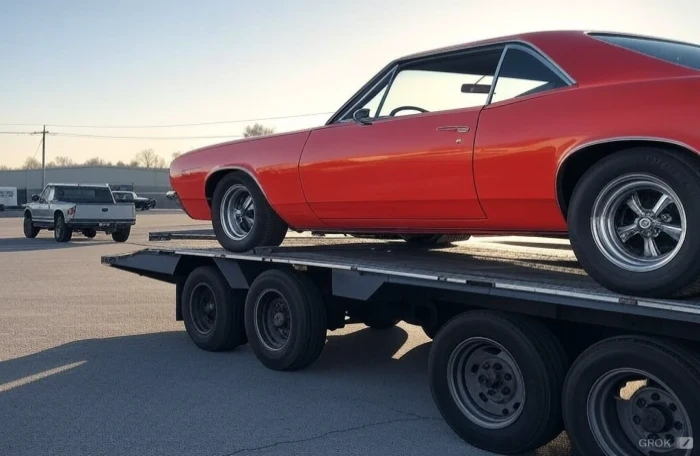
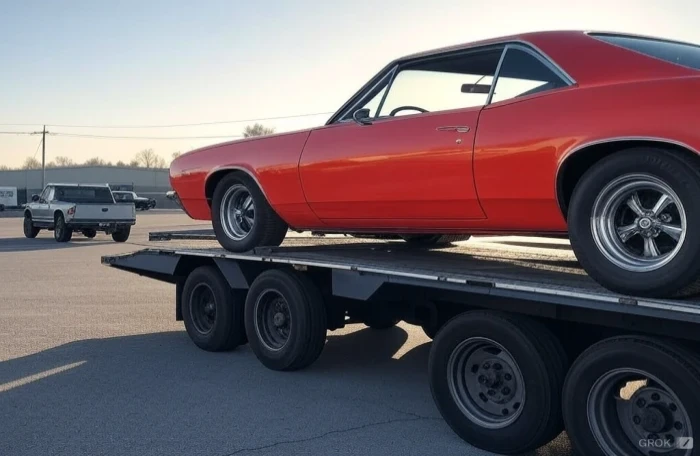
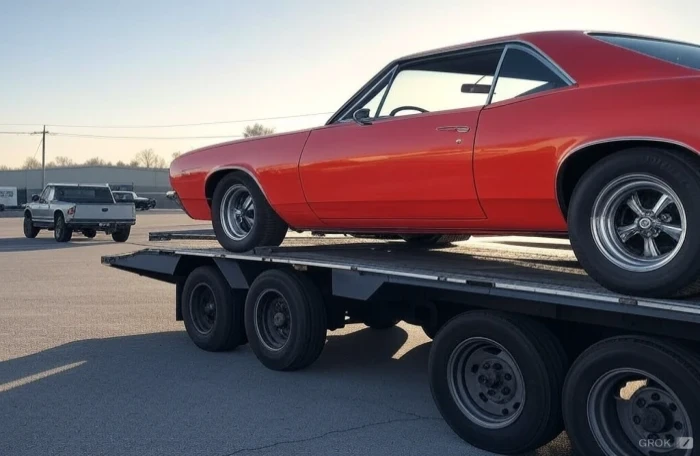
Seasonal auto relocation often involves a choice between open carrier transport and enclosed carrier transport. Open carrier transport uses multi-vehicle trailers. Open carrier transport fits standard vehicles and common routes where availability remains higher.
Enclosed carrier transport uses covered equipment. Enclosed carrier transport reduces exposure to road debris and weather. Enclosed carrier transport fits high-value vehicles, collector vehicles, and vehicles with sensitive finishes.
Door-to-Door Service (Location Permitting) affects planning and expectations. Door-to-Door Service (Location Permitting) depends on legal and safe access for large equipment. Meeting points shift to wider roads or commercial lots when residential access limits trailer entry.
Transport options used in seasonal auto relocation are listed below.
Open Carrier Transport: Standard car shipping option that balances price and availability for many routes.
Enclosed Carrier Transport: Protected option that reduces exposure risk for specialty and high-value vehicles.
Door-to-Door Service (Location Permitting): Pickup and delivery near provided addresses when access supports large trailers.
Electric vehicle shipping uses standard transport options. Open carrier transport and enclosed carrier transport remain the available options for electric vehicles.
Scheduling Realities During Seasonal Auto Relocation
Seasonal auto relocation affects scheduling through dispatch congestion during peak season. Dispatch congestion rises when more loads compete for limited trailer space. Pickup window rigidity increases pricing pressure during peak season.
Off-peak scheduling improves through lower route demand. Off-peak timing still carries weather delay risk in regions affected by snow, ice, storms, or flood events tracked through NOAA weather hazards guidance.
Expedited shipping changes dispatch priority. Expedited shipping does not guarantee pickup or delivery dates. Weather delay and route disruption still influence timing.
Scheduling factors that influence seasonal auto relocation are listed below.
Pickup Window Width: Wider windows improve dispatch matching and route fit during peak season.
Lane Popularity: High-demand lanes fill faster, which increases competition for carrier capacity.
Rural Access: Low-density origins or destinations reduce carrier frequency and extend dispatch time.
Seasonal Weather: Winter storms and summer heat influence driving pace and route reliability.
Vehicle Condition: Inoperable vehicles require specialized equipment and slower loading steps.
Weather Risk and Vehicle Preparation That Prevents Disputes
Weather risk changes across seasons and affects seasonal auto relocation outcomes. Winter shipping introduces snow, ice, and temporary highway closures. Severe events drive reroutes and longer transit times.
Summer shipping introduces heat exposure. Heat exposure stresses batteries, cooling systems, and tire pressure stability. Basic roadworthiness checks reduce pickup friction and reduce the chance of a stalled load.
Seasonal storms introduce localized flooding and detours. Mountain corridors face washout and landslide risk during heavy rainfall.
Vehicle preparation reduces preventable disputes during seasonal auto relocation. Wash the vehicle thoroughly to expose chips and scratches before inspection. Photograph clearly the exterior and record odometer mileage in a dated photo set.
Personal property inside the vehicle creates regulatory and liability problems. Federal household-goods rules appear under 49 CFR Part 375 on eCFR, which clarifies how household goods get treated under federal transportation rules.
Coverage Language and AFTA Gap Protection Plans
Carrier cargo coverage applies to vehicle damage during transit. Federal insurance filing requirements appear on the FMCSA insurance filing page, which outlines filings tied to operating authority.
AmeriFreight does not offer insurance. Optional AFTA gap protection plans provide added protection beyond carrier liability terms. AFTA coverage recipients have 48 hours to report damages.
Document carefully the vehicle condition before signing the bill of lading at delivery. Review the bill of lading carefully at pickup and delivery because the bill of lading anchors the condition record tied to a claim process.
Compliance and Relocation Logistics Beyond Car Shipping
Seasonal auto relocation often overlaps with interstate relocation and cross-border moves. Registration timelines, tax obligations, and inspection requirements vary by jurisdiction. Migration and mobility context appears through the U.S. Census Bureau migration topic page, which tracks how relocation patterns shift across time.
AmeriFreight Auto Transport assists with vehicle transportation only. Household goods transportation requires a separate moving provider.
How to Prepare for Seasonal Auto Relocation
To prepare for seasonal auto relocation, follow the seven steps listed below.
Confirm vehicle operability. Start the engine, test steering, and verify braking function unless inoperable shipping is arranged.
Clean the exterior thoroughly. Remove dirt so scratches, dents, and chips remain visible during vehicle inspection.
Photograph clearly the vehicle condition. Capture all sides, the roof, the wheels, and the odometer in dated images.
Remove all personal items. Clear the cabin and trunk to align with federal transport boundaries described under 49 CFR Part 375 on eCFR.
Secure tightly loose parts. Fasten antennas, remove removable racks, and secure aftermarket accessories.
Reduce fuel to one-quarter tank. Maintain enough fuel for loading while avoiding excess weight.
Inspect carefully and sign the bill of lading. Compare recorded notes to the visible condition at pickup and delivery before signature.
Seasonal auto relocation requires decisions that weigh cost exposure, timing constraints, and weather delay risk. Seasonal demand and carrier capacity shape dispatch matching outcomes.
Start Your Seasonal Auto Relocation With AmeriFreight
Seasonal auto relocation works best when timing, documentation, and market conditions align. AmeriFreight Auto Transport connects customers with vetted carriers across major U.S. routes. No upfront payment until you choose a carrier.
Request a quote through AmeriFreight Auto Transport to evaluate current lane pricing, pickup windows, and transport options for the planned relocation window.